

Nanoplastics don't just float—they deliver toxic tire chemicals like 6PPD into fish tissues. The result? Greater damage to eyes, vision, and aquatic ecosystems.

Sappi’s CDP Forests A score highlights how credible sustainability data is increasingly used to support procurement, investment, and regulatory decisions.
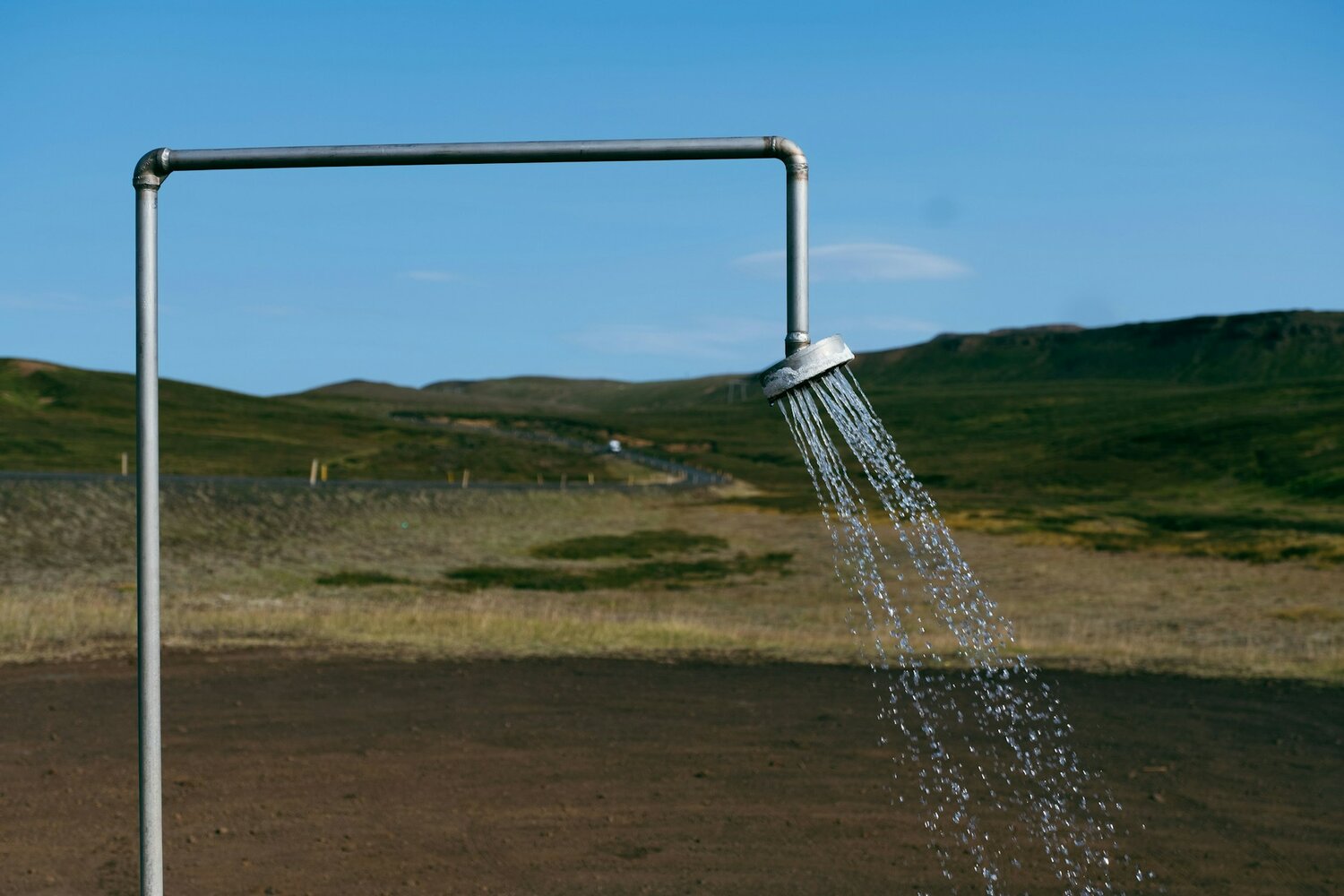
Water is now a strategic risk, not just a utility. A new index from Ecolab and CDP offers companies a way to measure and manage water use with real benchmarks.

American Resources’ EMCO has begun receiving 2026 shipments of end-of-life lithium-ion batteries, supporting domestic preprocessing and refining of critical battery materials.

A new alliance aims to unify methane monitoring from orphaned wells to active sites. The goal: consistent, auditable data across environmental and industry use.

An Oregon lawsuit over nitrate contamination is drawing attention to how industrial wastewater partnerships can create direct legal and compliance exposure.

Dubuque is piloting organic land care in Jackson and Washington Parks. The project shifts focus to soil health, aiming to cut chemicals and boost resilience.

AVAIO is building a $6B data hub outside Little Rock with plans to reach 1GW capacity. The site merges power, land, and compute to support AI infrastructure growth.

As storms intensify, cities are shifting from pipes to permeable design. Sponge cities absorb rain where it falls, easing floods and boosting resilience.

Shifting focus from long-term targets to immediate climate impacts, highlighting infrastructure strain, energy costs, and public health risks.

Plastics shed micro- and nanoplastics just through water exposure. A new study highlights an overlooked pollution source hiding in plain sight.

Mozambique introduces a tailored FSC standard to improve forest management and certification. The move targets global buyers and strengthens local oversight.

New research reveals how microplastics are altering water chemistry—reshaping environmental risk management stakeholders.

EPA’s latest chemical reviews target specific industrial risks, not broad bans. Consumer uses are mostly cleared, shifting compliance to workplace controls.

Explore growth drivers, trade tensions, regional trends, and how innovation is reshaping food and farm supply chains.

GEF approved $52.8 million for UNEP-led projects on wetlands, electric mobility, blue economy governance, and climate transparency following UNEA-7.

UNCW has fully eliminated plastic from residential dining takeout. A new stainless steel system is cutting waste, saving costs, and boosting student engagement.

Green-certified buildings aren’t living up to the promise. As performance gaps widen, investors are demanding proof of real energy and cost savings.

Claros and Daikin have completed a large-scale PFAS destruction run. The system treated over 170,000 gallons of process water in an active plant setting.

Plastic particles are showing up in human blood and organs. As scrutiny grows, bottled water brands face rising questions about long-term health impacts.