
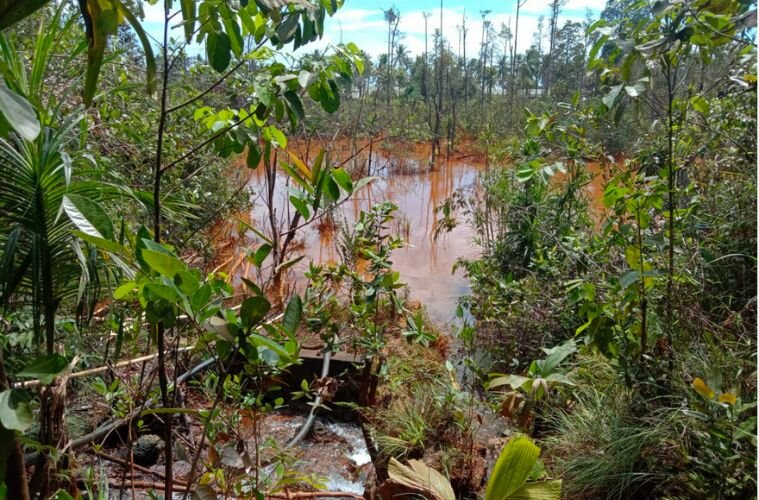
Harita Nickel faces scrutiny as leaked documents reveal decade-long chromium-6 pollution at its Indonesian site supplying EV giants, despite public denials.
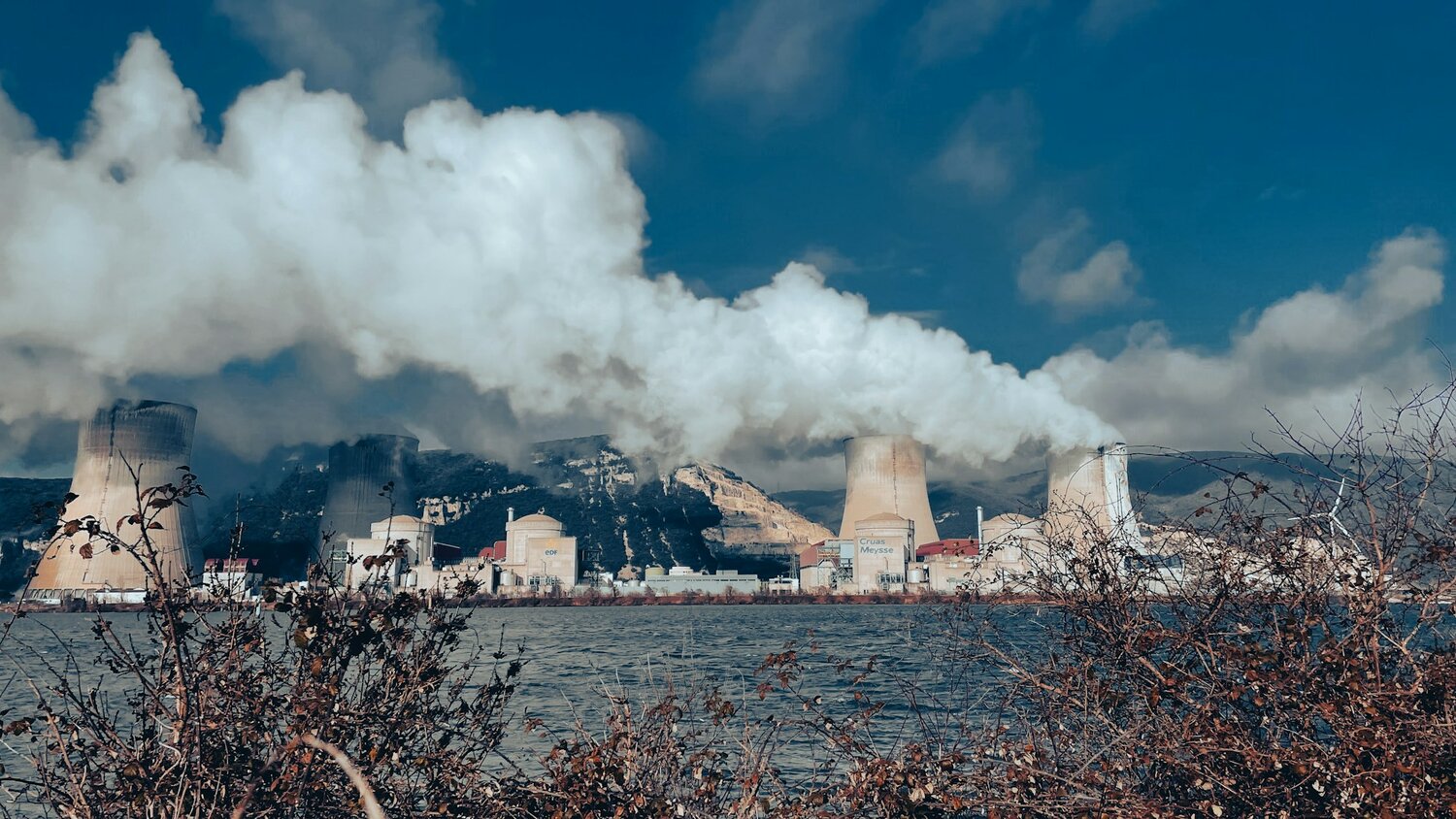
Global nuclear capacity is growing fast, driven by SMRs and energy goals. Asia’s rapid buildout is shifting the power map.
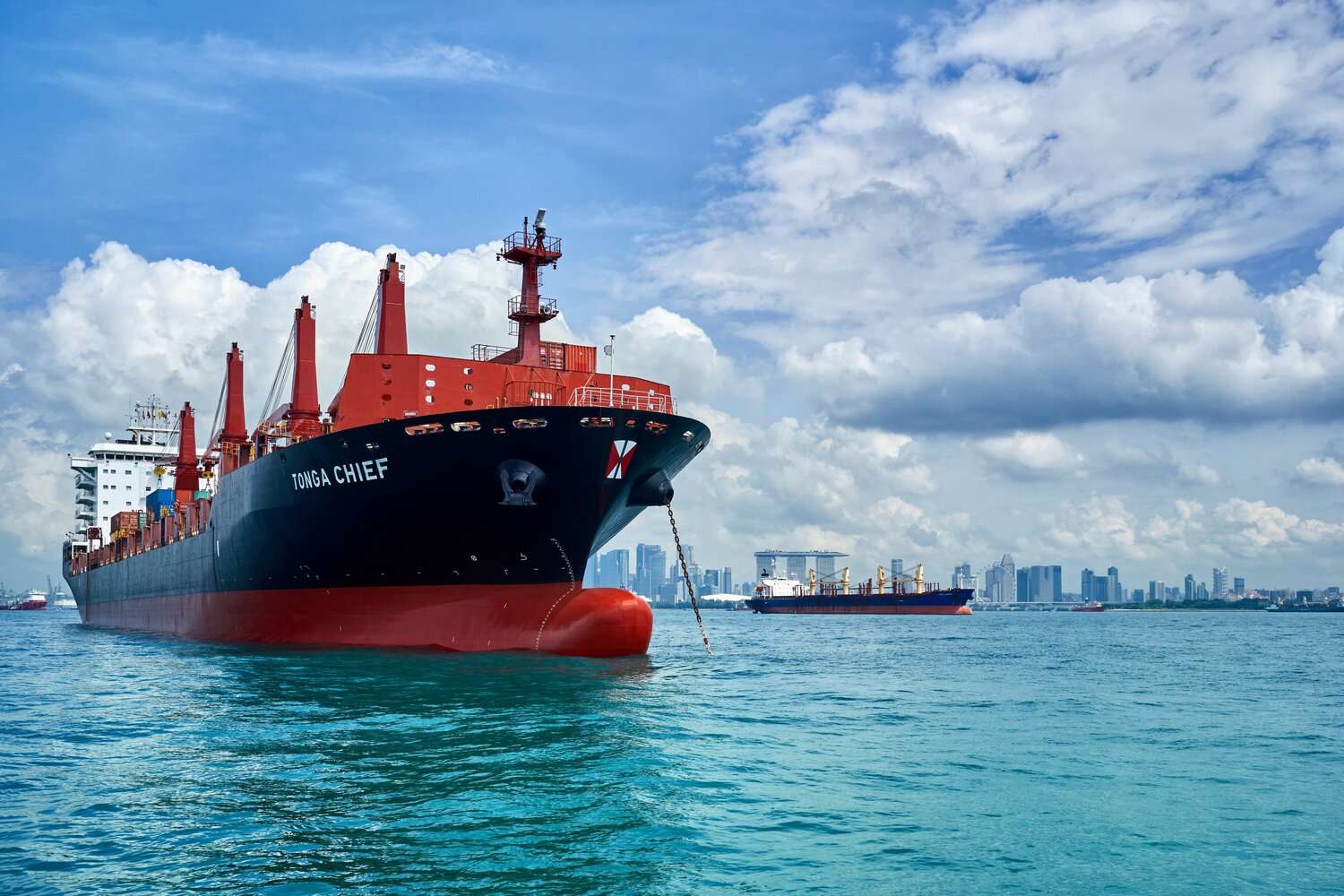
Swire Shipping partners with Argent Energy and BP to expand biofuel use across South Pacific routes, offering verified emissions reductions to cargo owners.

With a new directive, Trump accelerates U.S. entry into deep-sea mining, challenging U.N. efforts to regulate the emerging industry.
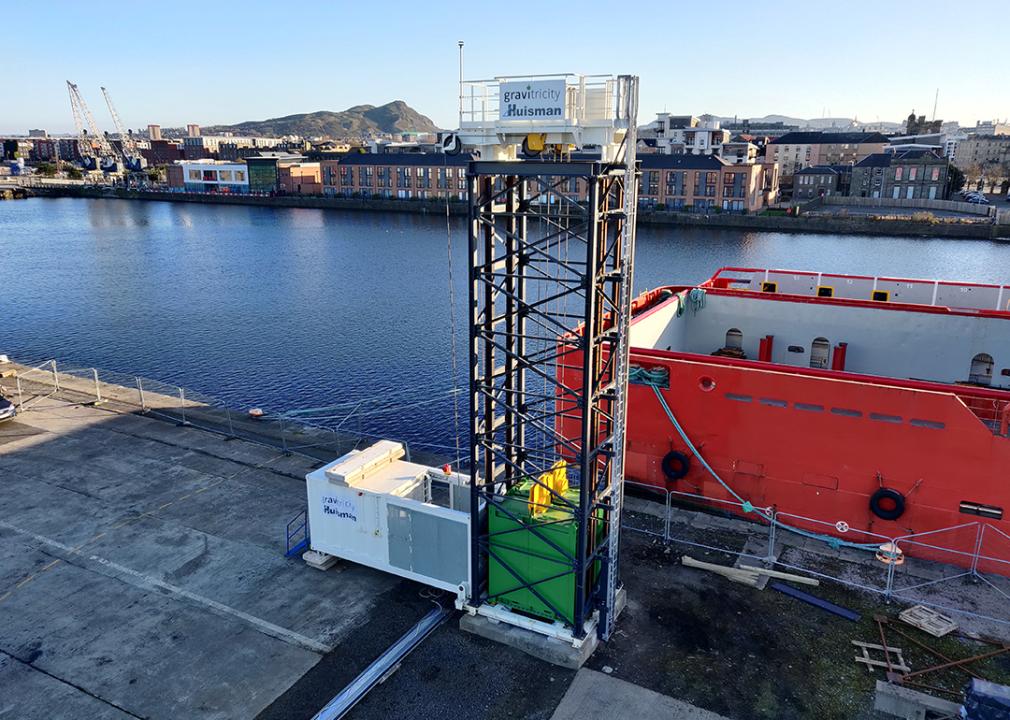
Reasons to be Cheerful explains how "gravity batteries" are giving former mines a second life—while offering an economic and environmental boost to communities once reliant on coal.

New research links unsustainable peatland use to rising flood risks in Indonesia, urging stronger hydrological planning and global supply chain accountability.

U.S. farmers face rising uncertainty as tariff reviews and global trade tensions threaten exports, input costs, and long-term market access.

The Ohio officially launches March 29, 2025, and will be available at Gabriela Hearst’s flagship stores in New York, Beverly Hills, London, and Tokyo, as well as online.
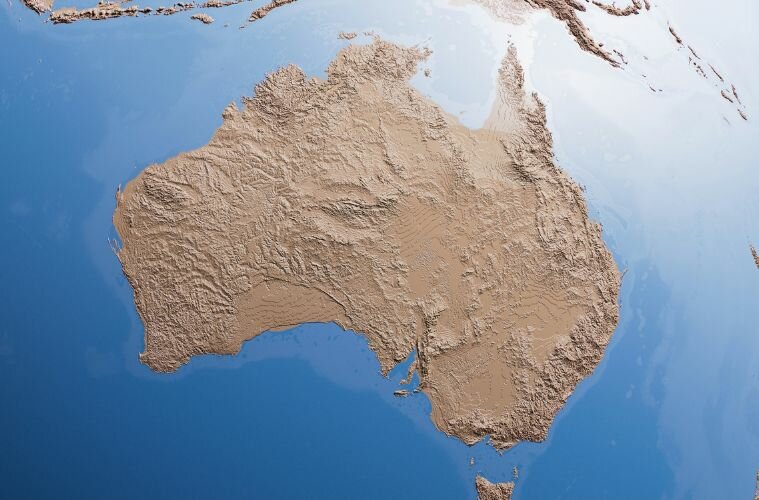
Australia invests in green hydrogen, backing CIP’s Murchison project to boost exports, create jobs, and support global decarbonization efforts.
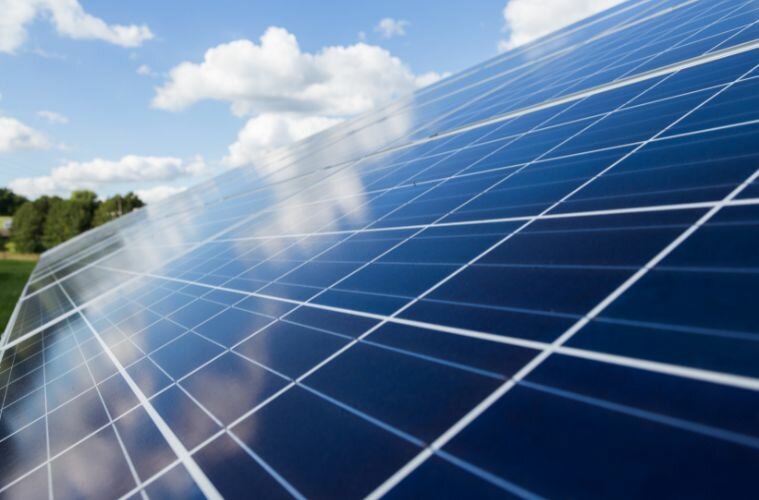
A new joint venture aims to accelerate corporate adoption of clean energy solutions.

The Center will support mass cultivation, commercialization, and safety assessments for cell-cultured foods.

A deeper dive into USDA data and economic reports raises questions about the accuracy—and implications—of her claims.
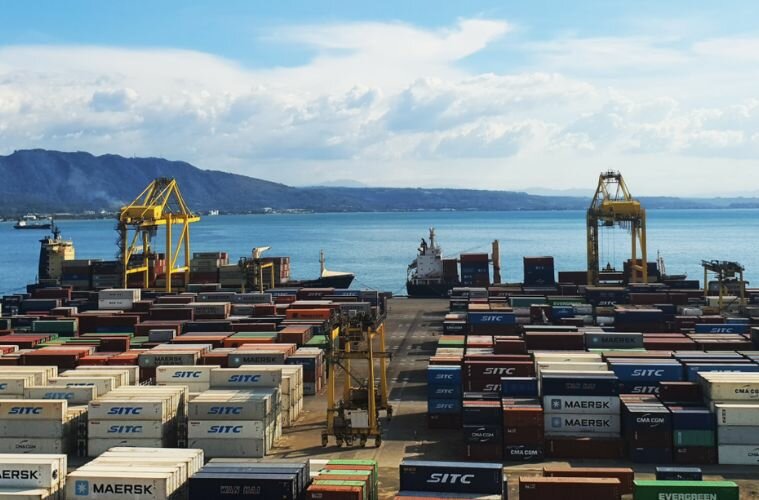
MCT now operates on solar power during the day, reducing carbon emissions while ICTSI invests $100M to expand the terminal’s capacity.

With only 17% of peatlands protected, businesses have a growing opportunity to invest in carbon markets, restoration, and conservation efforts.
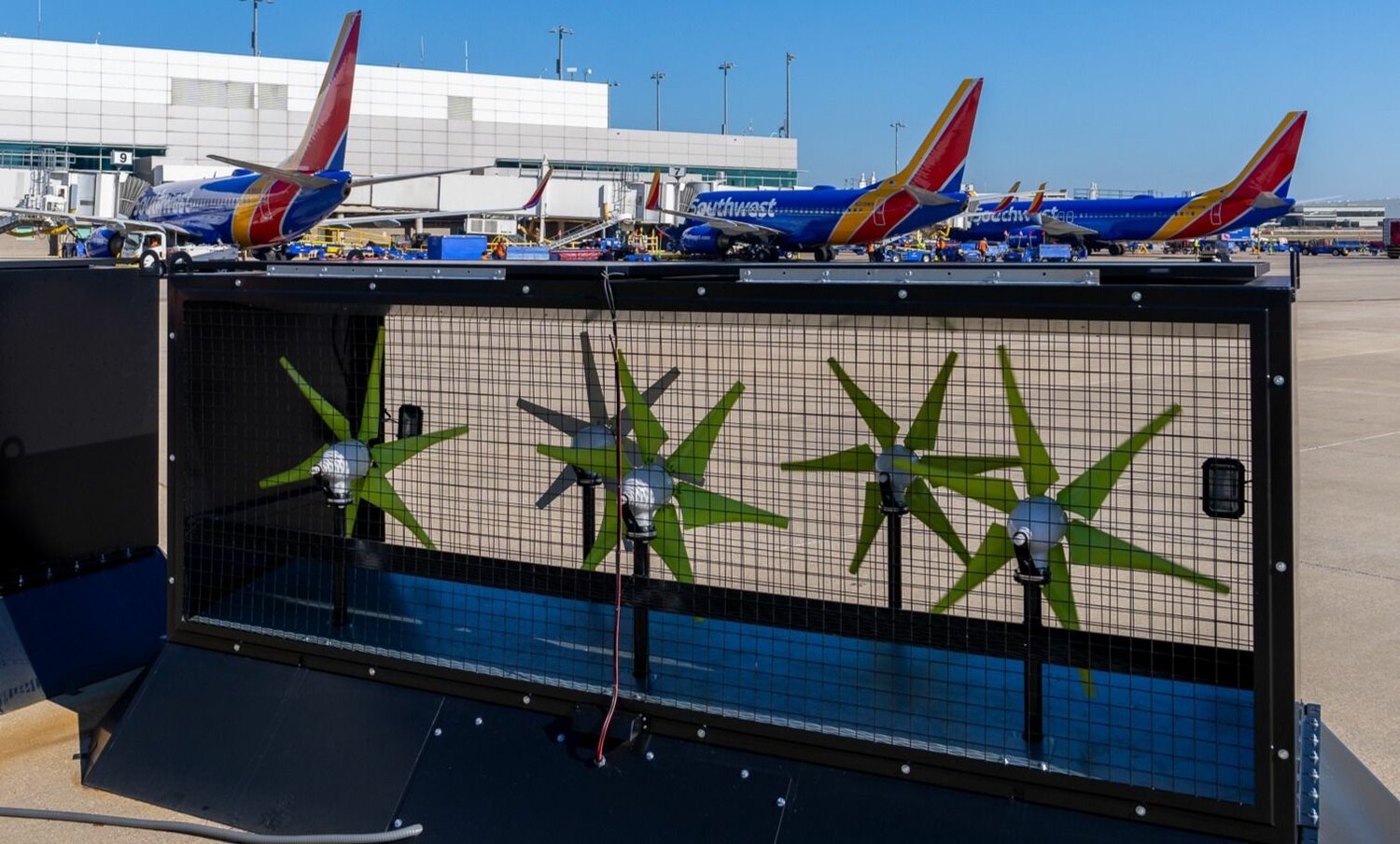
JetWind Power’s innovative energy pods transform airplane exhaust into renewable power, easing grid demand and scaling to global markets in 2025.
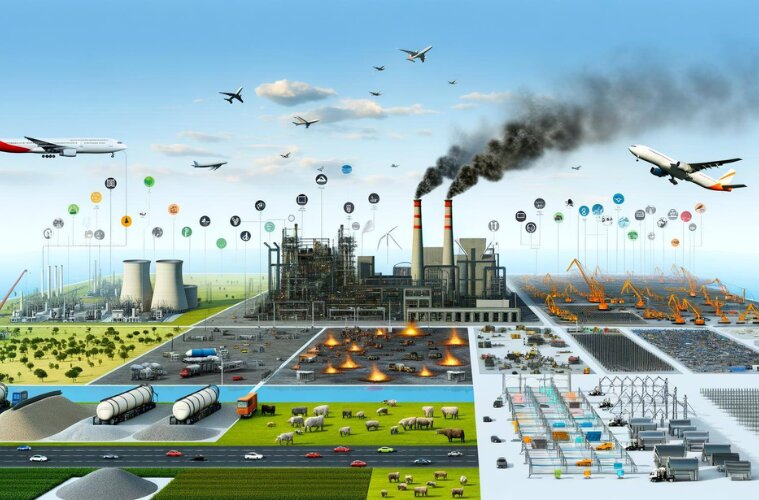
Energy, industry, and transport remain the core drivers of climate change, but digital industries are emerging as major players in emissions growth.
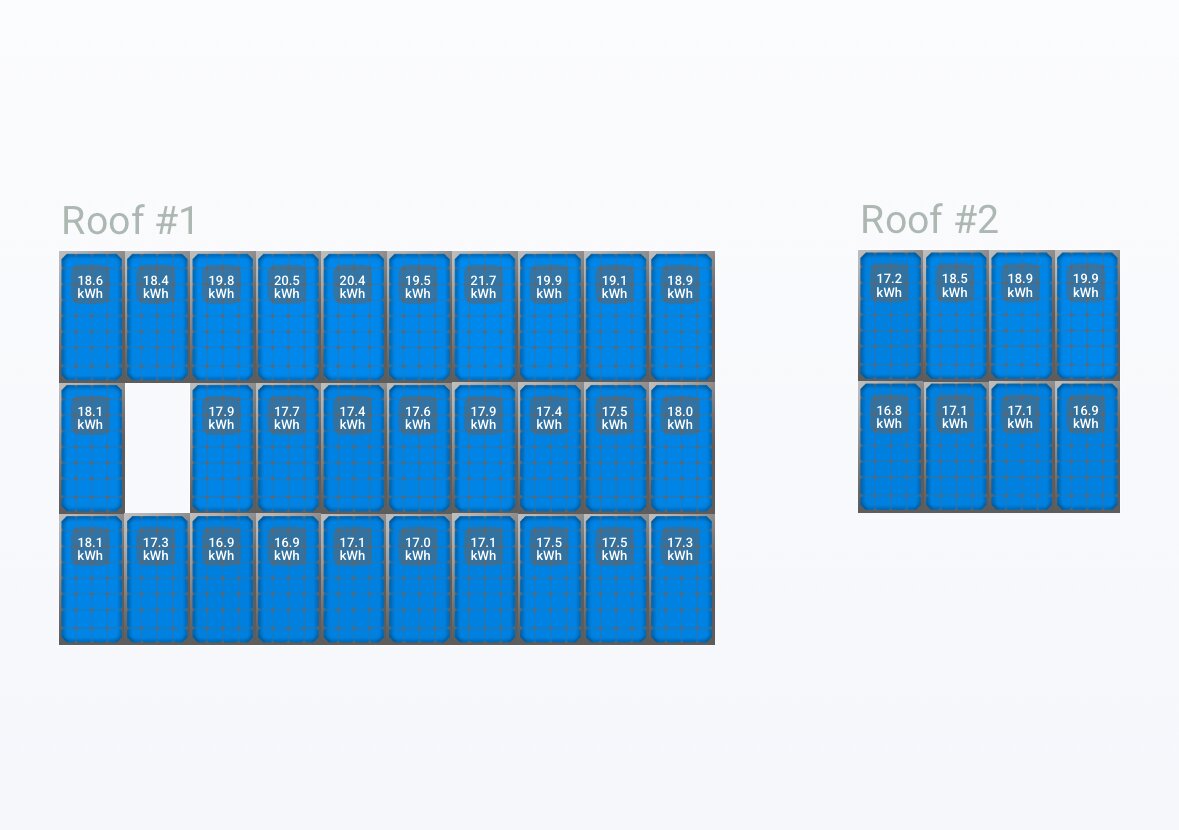
Solar micro inverters are driving cleaner, more efficient energy systems as global demand soars. How will advancements and policies shape their future?
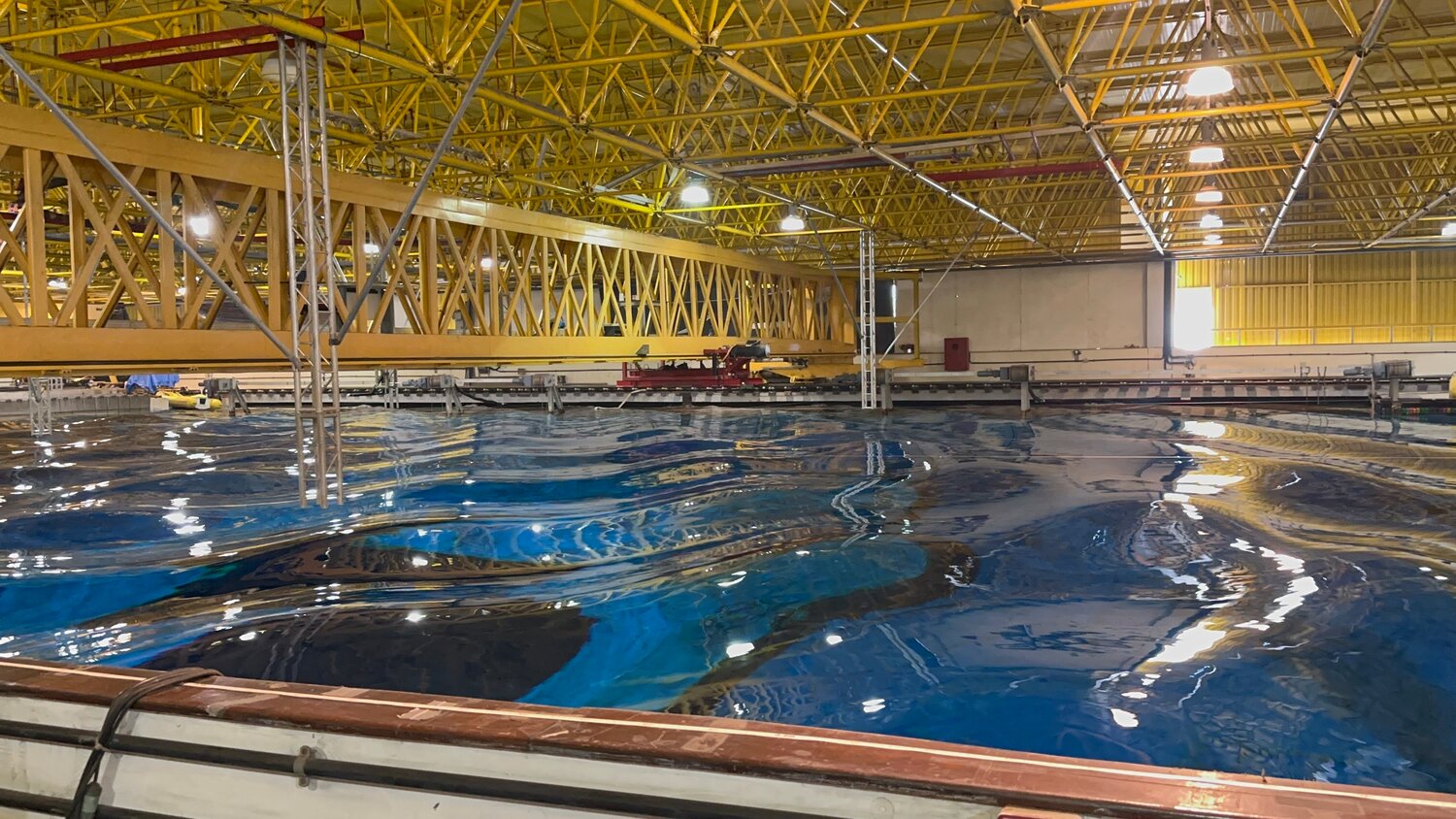
Global OTEC and COPPE/UFRJ are collaborating to advance floating OTEC technology, bringing sustainable baseload power to Brazil. This partnership strengthens ocean thermal energy development, positioning Brazil as a leader in marine renewable innovation.
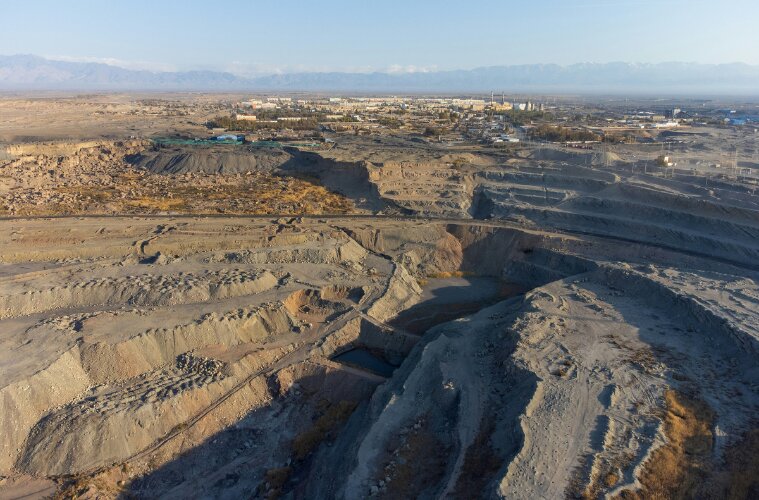
In 2024, China imported 542.7 million metric tons of coal—the highest ever recorded.
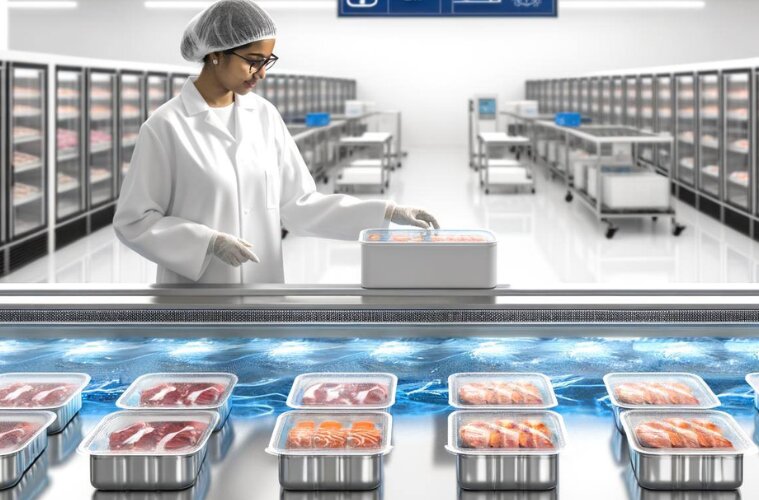
As the U.S. strengthens its position in the global food trade, innovative smart packaging solutions are emerging as critical tools for ensuring safety, freshness, and sustainability.