


The Port of Rotterdam is deploying large-scale shore power across three container terminals as EU maritime emissions rules approach.

AI adoption is driving new energy and sustainability pressures for SMBs. Why operational alignment matters more than ESG messaging in 2026.

AI growth is colliding with energy availability and data center limits, changing how companies allocate capital as 2026 planning cycles begin.

Duke Energy has submitted an early site permit application to the NRC for potential nuclear development near Belews Creek in North Carolina.

Massachusetts’ PFAS legislation is advancing quickly, signaling broader changes in environmental oversight, infrastructure planning, and long-term accountability.

New research reveals how microplastics are altering water chemistry—reshaping environmental risk management stakeholders.

In Serbia, infrastructure is being redefined by ESG. From metro lines to low-carbon concrete, projects now aim to deliver both climate and community impact.

EPA’s latest chemical reviews target specific industrial risks, not broad bans. Consumer uses are mostly cleared, shifting compliance to workplace controls.

The Ohio Supreme Court upheld approval of a 130-MW solar project, affirming the Power Siting Board’s review of environmental, economic, and public-interest impacts.

The CDC will hold a public January 28, 2026 meeting of its radiation worker health subcommittee to review dose reconstruction procedures and related documents.

New testing across major brands suggests recycled polyester sheds more microfibres and “recycled” claims may be inconsistent—raising ESG and compliance risk.

An IMF climate policy diagnostic finds climate shocks pose macro-critical risks to Liberia’s economy, urging reforms across energy, water, and fiscal policy.
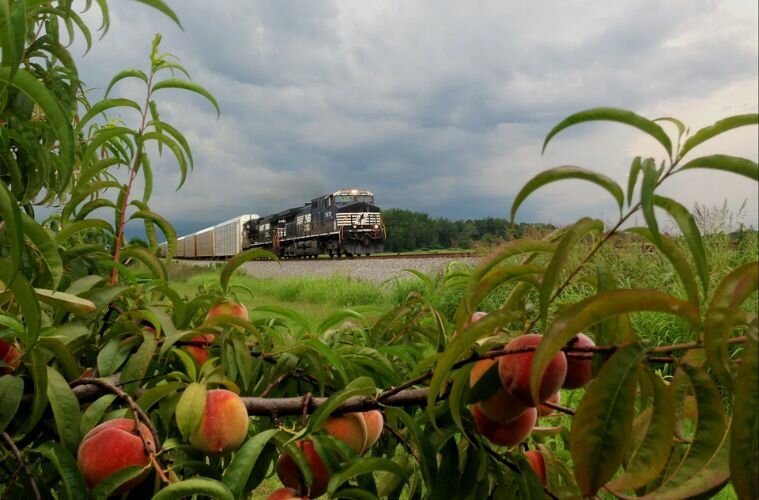
Union Pacific and Norfolk Southern filed an STB merger application to create the first U.S. transcontinental railroad, citing competition, efficiency, and emissions benefits.

Wicomico County selects Waga Energy to develop an RNG facility at Newland Park Landfill, capturing methane emissions and delivering renewable gas to Maryland’s pipeline network.

UNCW has fully eliminated plastic from residential dining takeout. A new stainless steel system is cutting waste, saving costs, and boosting student engagement.

Green-certified buildings aren’t living up to the promise. As performance gaps widen, investors are demanding proof of real energy and cost savings.

Claros and Daikin have completed a large-scale PFAS destruction run. The system treated over 170,000 gallons of process water in an active plant setting.

Plastic particles are showing up in human blood and organs. As scrutiny grows, bottled water brands face rising questions about long-term health impacts.

Clean hydrogen is emerging as essential U.S. infrastructure, shaping trade competitiveness, manufacturing resilience, and emissions performance in carbon-constrained markets.

Seventeen states sue USDOT over reversing federal transportation performance standards, arguing the move disrupts infrastructure planning and long-term investment.