

Songbirds now treat the Corn Belt like a major barrier. New research shows farmland forces flight changes once seen only over oceans.

Paine Schwartz Partners embeds sustainability in food system investments, aligning financial returns with measurable environmental and social impact.
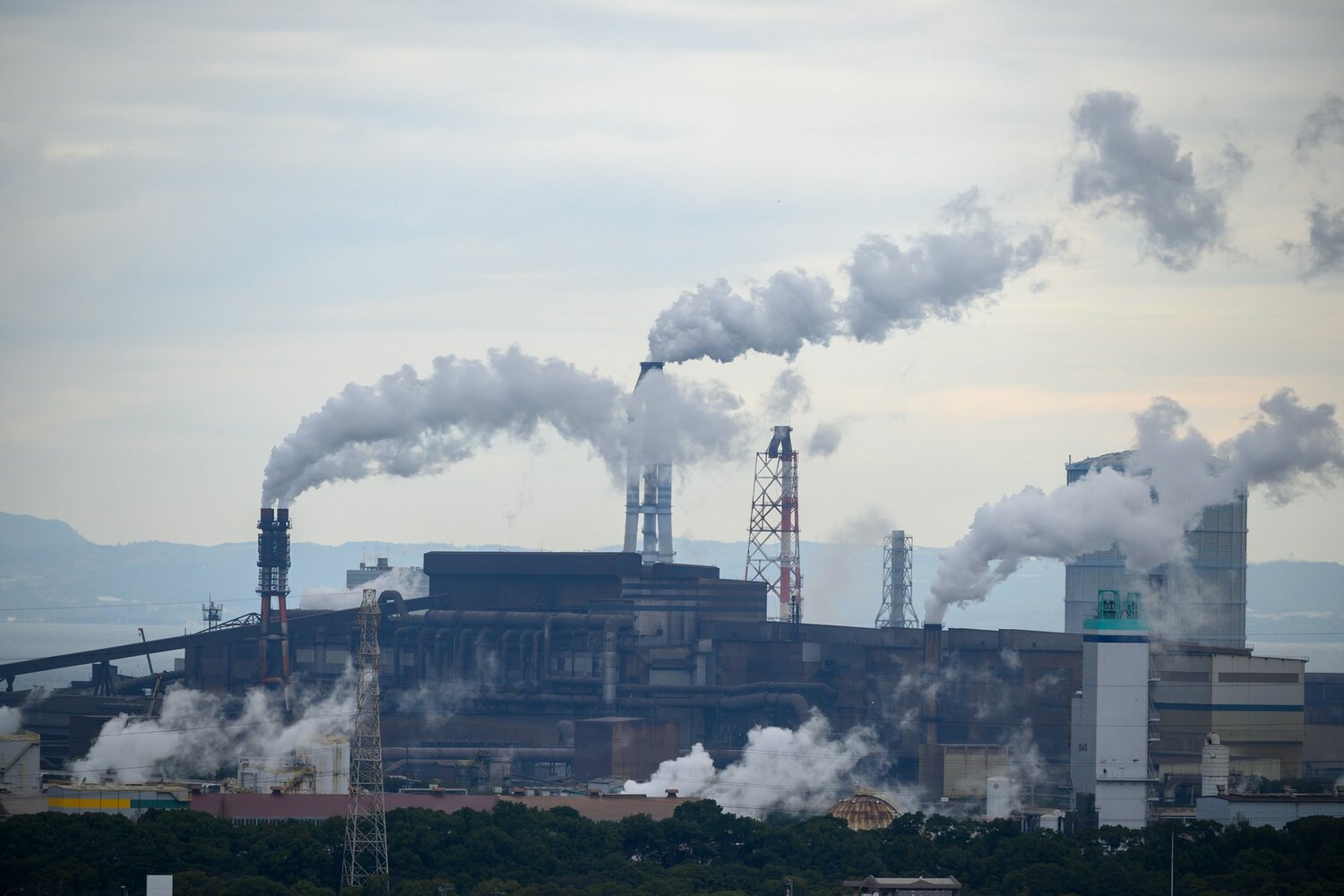
Air and water pollution are driving up compliance costs in key states. Businesses face mounting risks that impact quality and operations.
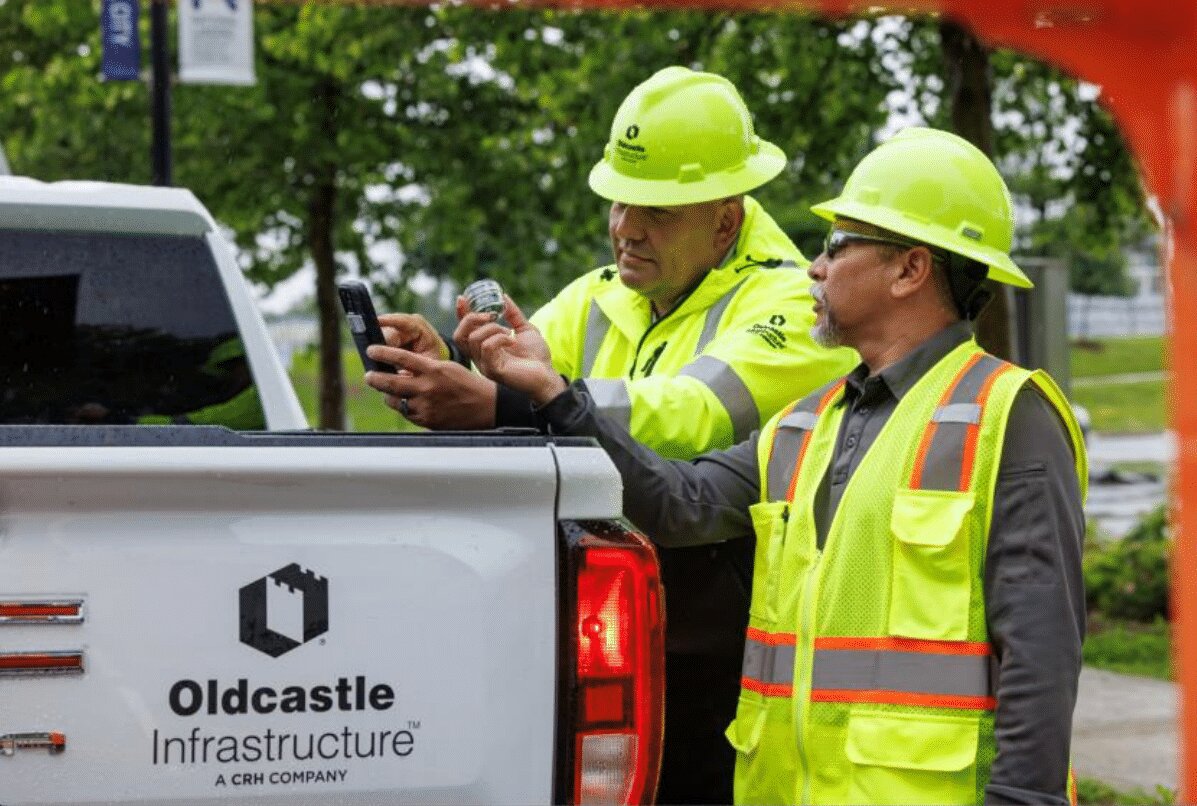
Water loss costs U.S. municipalities $8B a year. See how CivilSense™ uses AI to identify leaks and protect drinking water in communities like Bartow County, GA.
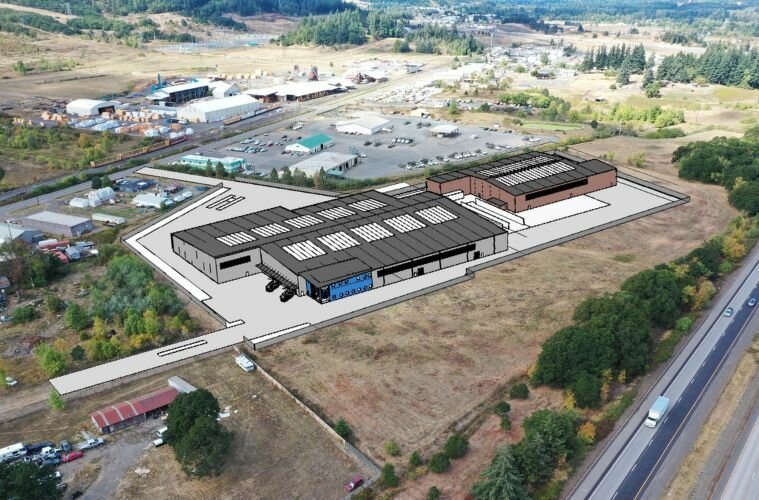
Oregon lawmakers consider a bill to support Lane County’s CleanLane project, a proposed recycling and methane extraction facility designed to extend landfill life and reduce emissions.
With biodiversity loss accelerating, lawmakers are pushing agencies to protect all species—not just game—while rethinking commissions and diversifying funding streams.
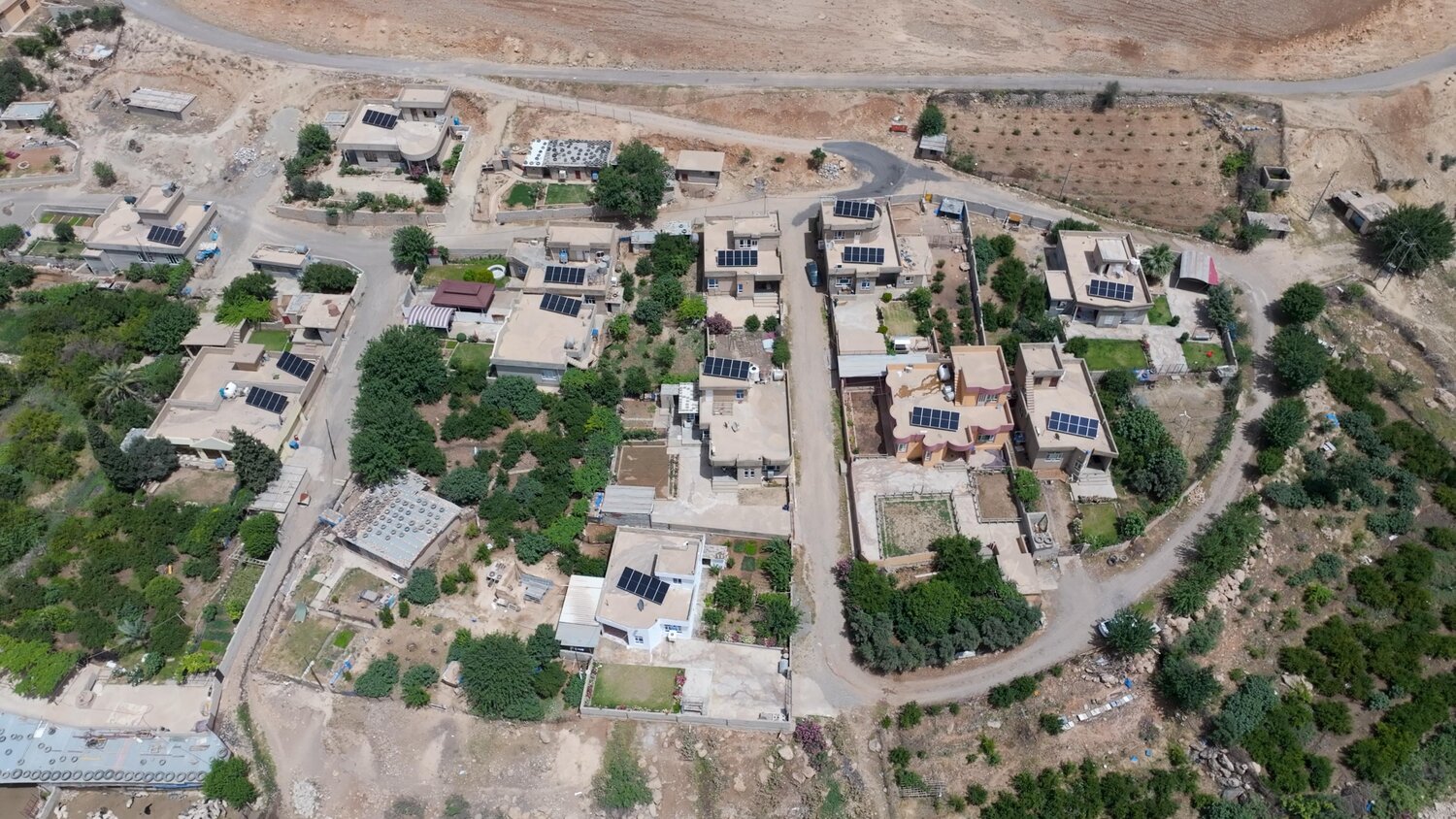
In northern Iraq, a solar-powered village offers a model for climate resilience. Renewable energy and farming work hand-in-hand for change.
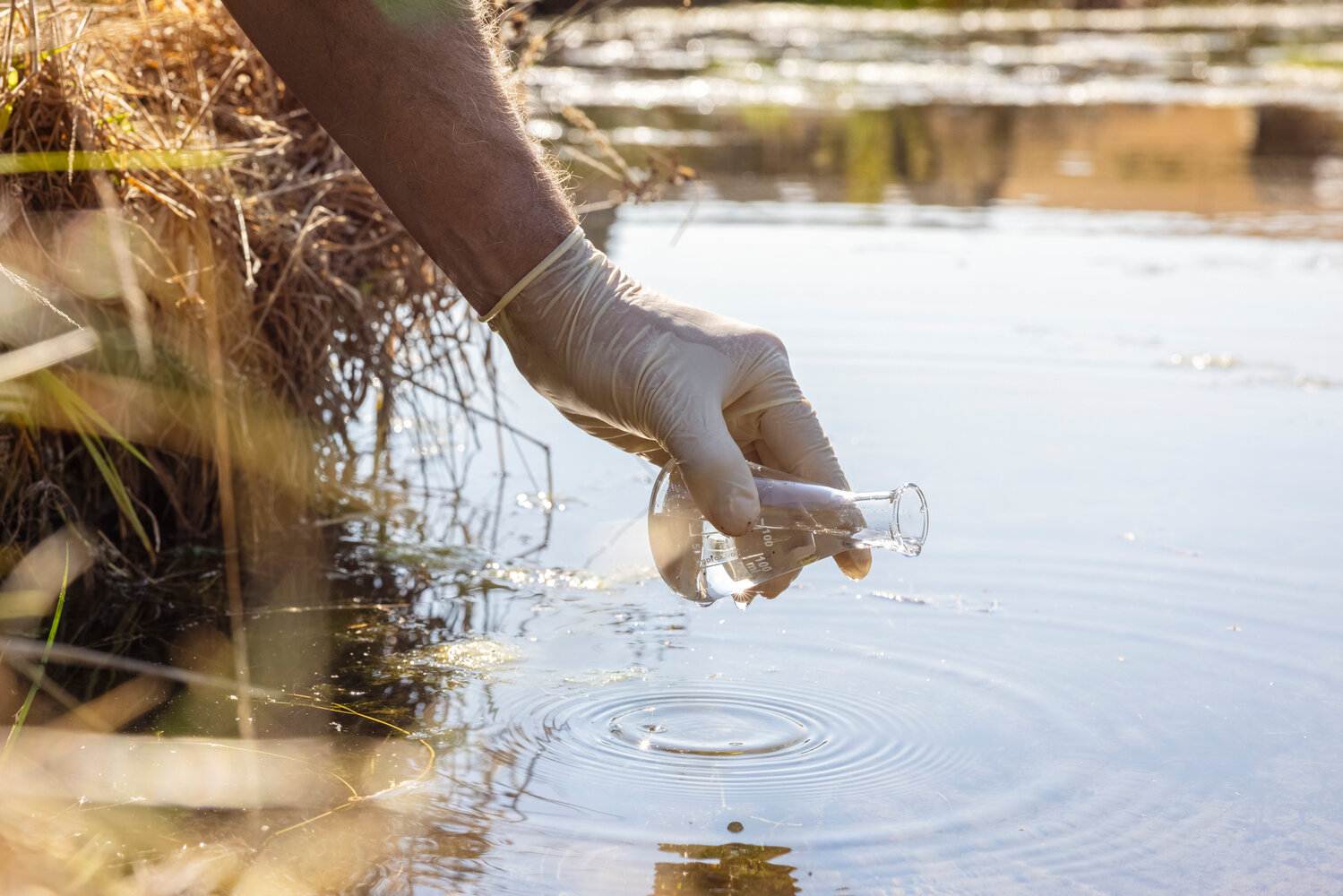
Antibiotics from human use are polluting rivers worldwide, raising health risks and forcing industry to rethink water management.

The SBA is offering low-interest disaster loans to small businesses and nonprofits in Colorado and other drought-affected states. Learn how these loans can support economic recovery.
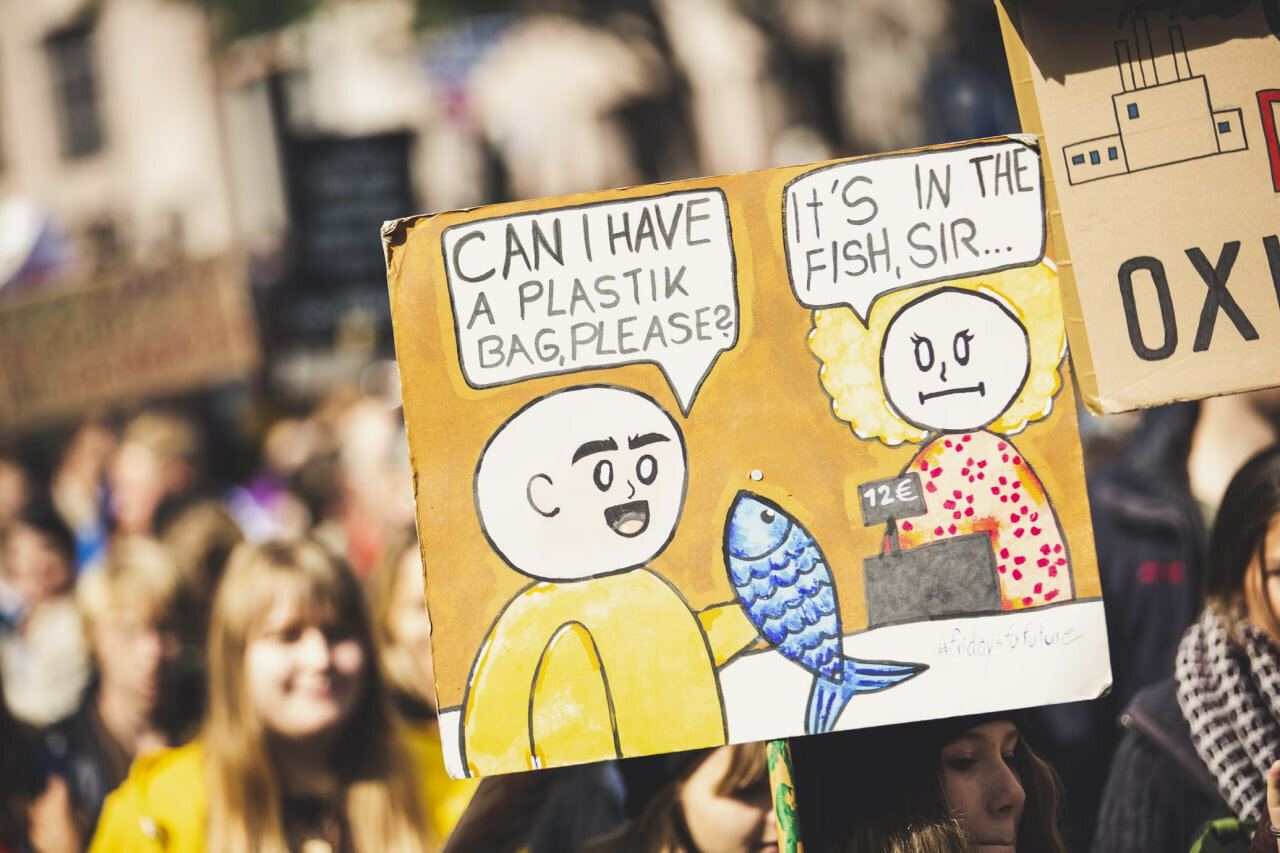
Synthetic chemicals in food are linked to serious health risks. Businesses that don’t adapt may face consumer backlash and new regulations.

dsm-firmenich Animal Nutrition & Health and Allix partner to integrate Sustell with feed formulation software, enabling automated sustainability analysis and advancing transparency in feed production.
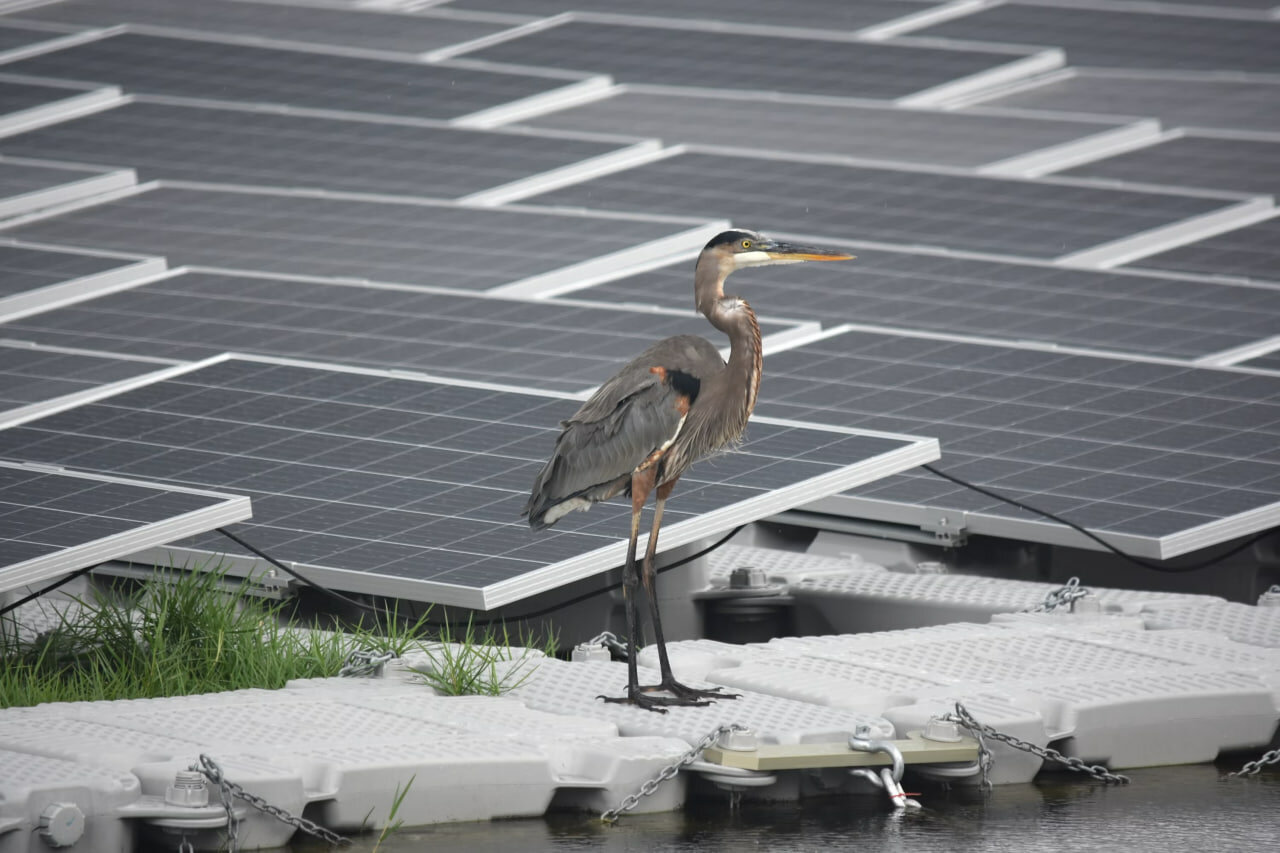
Floating solar cuts land use and boosts clean energy. But new research shows we need to understand its impact on waterbirds first.
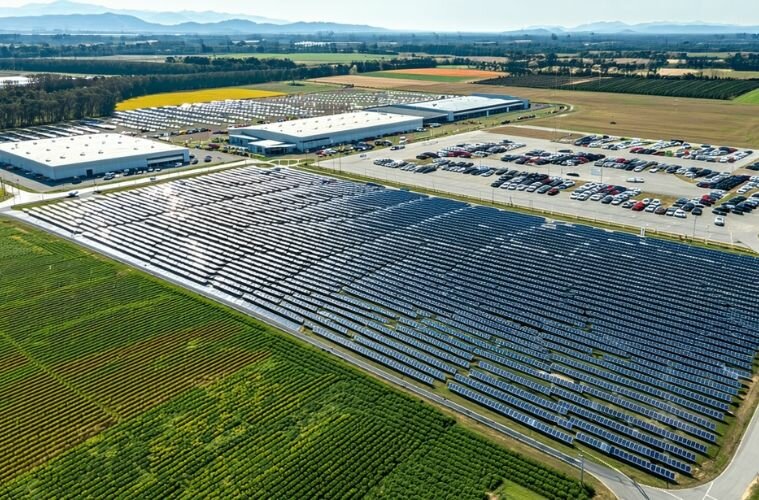
New York Senate Bill S07899 guides renewable energy projects to parking lots, brownfields, and agrivoltaic farms, balancing infrastructure with land conservation.

Releaf Earth has launched Nigeria’s first large-scale biochar facility, using palm kernel waste to cut emissions and improve farm yields—while laying a scalable model for Africa’s carbon removal strategy.
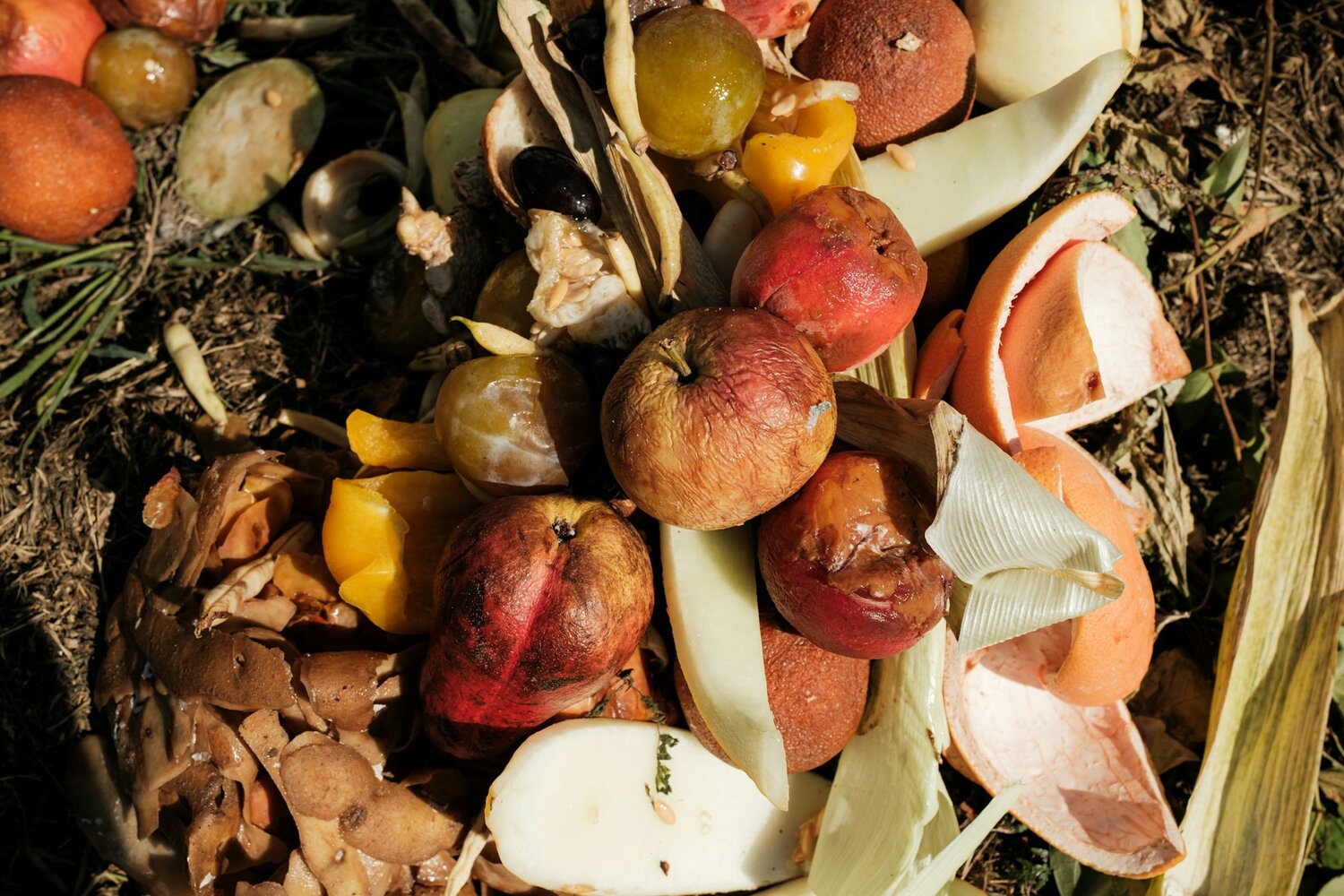
Two major composting sites in North Carolina just changed hands. The move signals a bigger push to scale food waste recycling in the Southeast.

UK firms face mounting pressure over microplastics. Weak laws risk trade, costs, and market access as international rules advance.
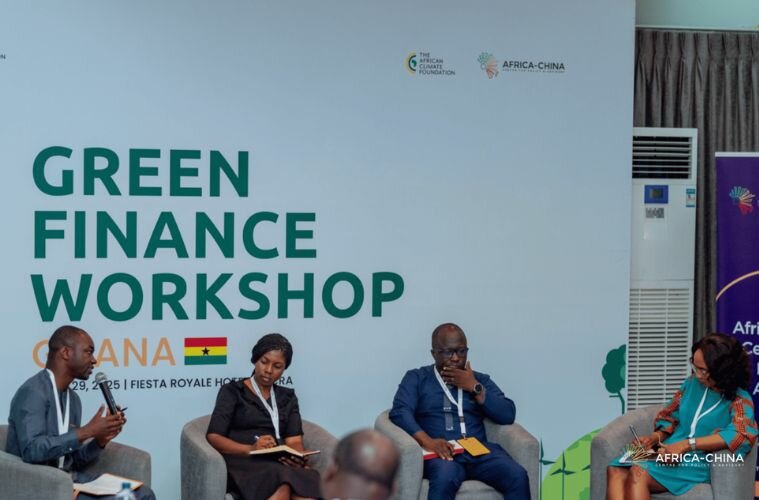
The Africa-China Centre for Policy and Advisory hosted a high-level green finance workshop in Accra, aligning Ghana’s financial system with climate resilience and sustainable industrialization.

Delays in federal bird flu response, underage workers, and troubling disposal methods are raising alarms about biosecurity, labor practices, and environmental risk.
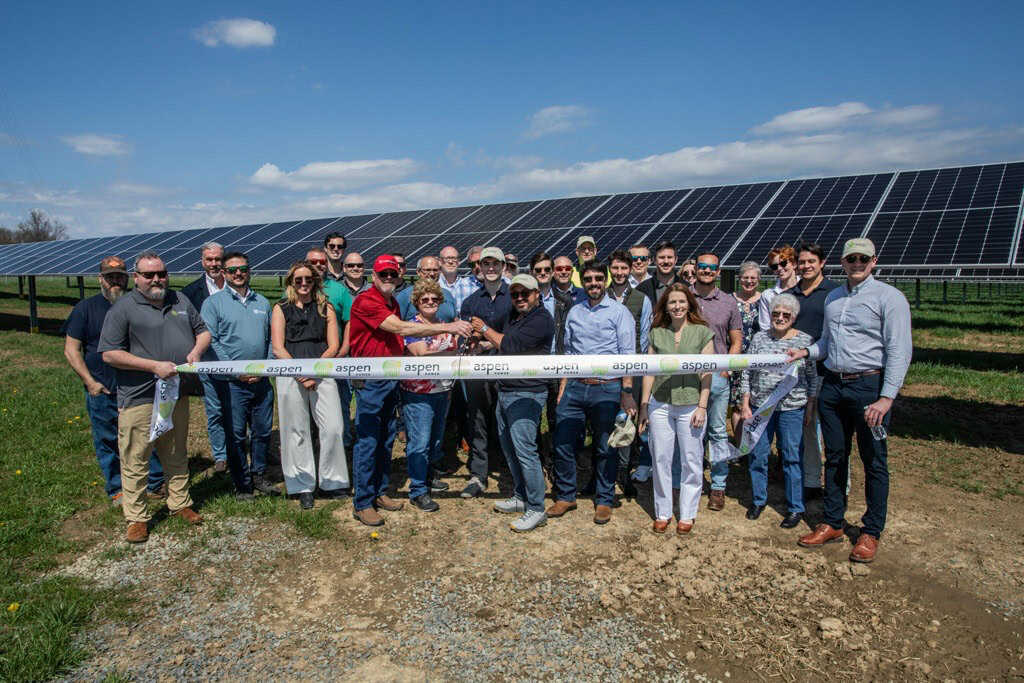
Aspen Power brings 42.5 MW of solar online in rural Pennsylvania, offering farmers stable income through land leases and supporting local energy resilience.
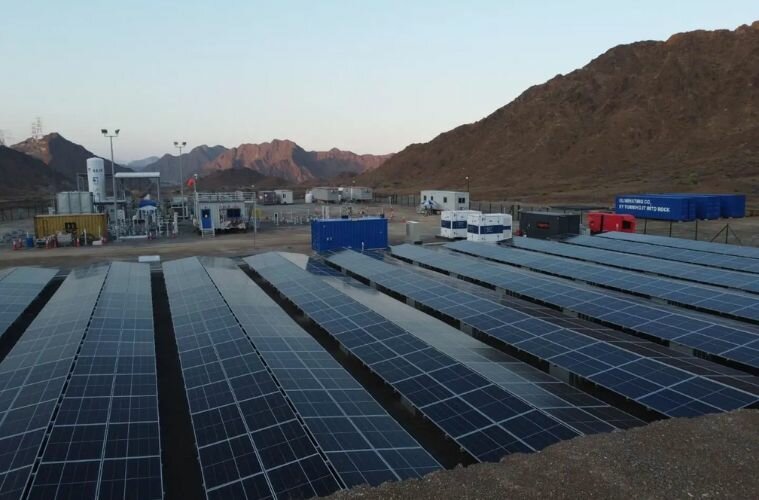
Project Hajar captures CO₂ from air and mineralizes it underground. Its XPRIZE win signals growing commercial potential for permanent, scalable carbon removal.