


atNorth scales high-density, AI-ready data centers across the Nordics, with its ICE03 site earning recognition for efficient design and community impact.

Toilet paper is splitting into two camps: sustainable and status quo. New NRDC data shows legacy brands lag as bamboo and recycled options gain ground.

A 2025 Colorado River Basin analysis finds human-driven climate change is driving both rising temperatures and declining precipitation in the Southwest.

Twelve female waste pickers from Kenya are using theatre to share their role in plastic recovery—pushing for recognition during global plastics talks.

New Jersey’s PFAS bills tighten product bans while granting fire departments a one-year foam extension, reshaping compliance for municipalities and industry.

Texas A&M is turning engineered clay into a practical defense against PFAS, VOCs, and more. These tools aim to reduce exposure before it becomes a crisis.
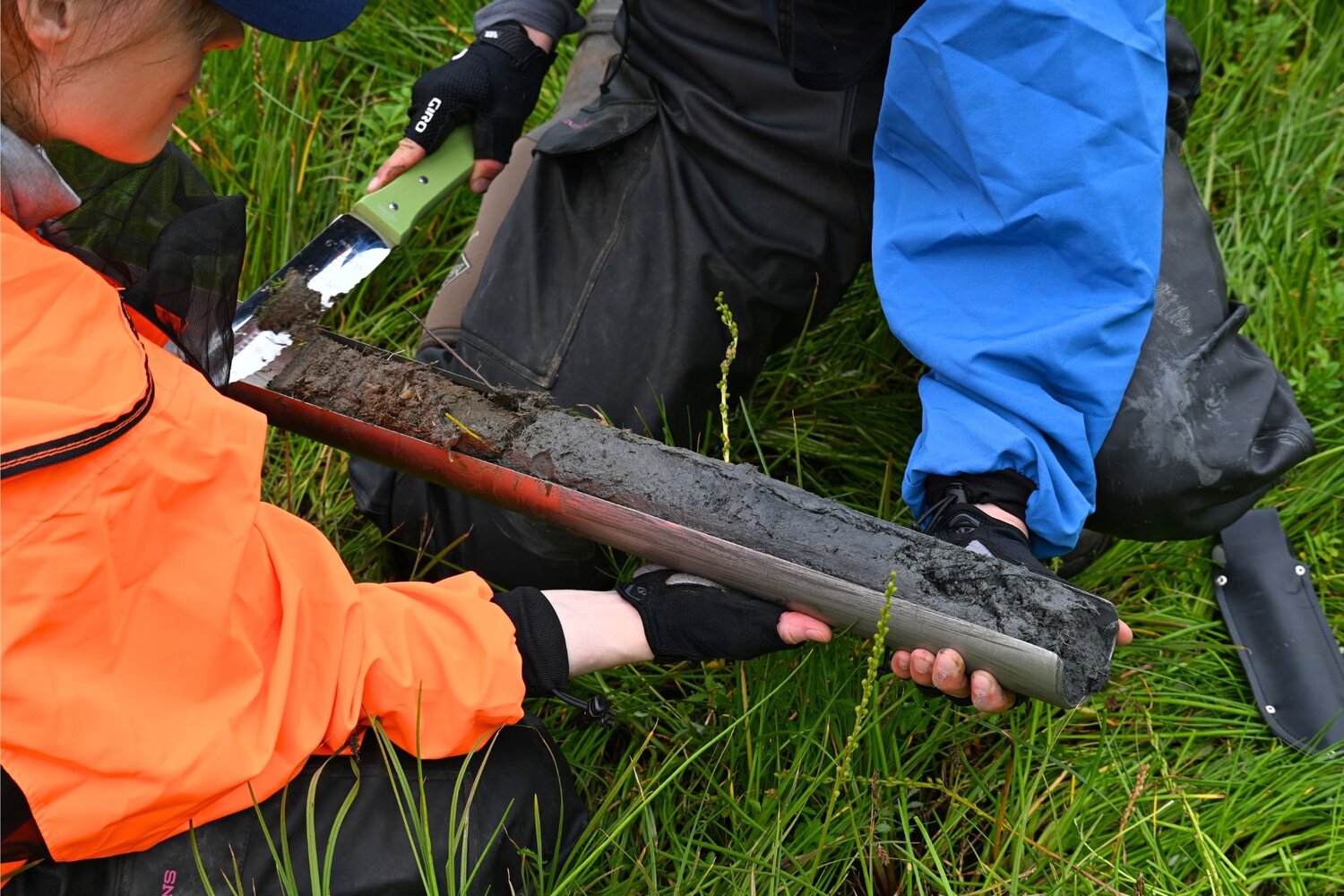
A new study finds common wetland carbon metrics may be overstating storage. The overlooked data gap could impact carbon credits and coastal restoration plans.

Methanol is ready to power low-emission shipping, but high costs and tight supply are slowing its rise. Regulatory clarity will be key to scaling adoption.

New research identifies Dolichospermum as Lake Erie’s saxitoxin producer, raising climate-linked concerns as warming waters reshape harmful algal bloom dynamics.

The AI in environmental sustainability market will reach $53.9B by 2031, driven by regulation, corporate climate targets, and advances in machine learning and IoT.

Chesapeake Bay states approved a revised watershed agreement setting 2040 pollution-reduction and habitat goals to protect jobs, ecosystems, and coastal communities.

Global shark and ray trade just changed. Over 70 species gained new protections under CITES, forcing tighter rules and major shifts in seafood supply chains.

At COP30, African institutions pushed for peace and climate goals to align. Stability is now seen as key to unlocking investment and resilience across the continent.

The federal mining agency has repealed 14 obsolete coal rules, aiming to simplify oversight. Core environmental protections under SMCRA remain fully in place.

South Australia is trialing AI to cut dredging and streamline port ops. The Deep Blue project brings smarter, cleaner tools to maritime decision-making.

Georgia’s municipalities are showing how global sustainability goals can be translated into local results.

Veolia’s acquisition of Clean Earth doubles its U.S. hazardous-waste footprint and expands PFAS and advanced treatment technologies across a nationwide network.

Shell and Natrx are scaling modular, nature-based systems to protect coastlines. The collaboration blends ecological design with real-world deployment.

Arkansas approves $153.9M for water and wastewater upgrades, supporting 52 systems and advancing long-term planning under the Arkansas Water Plan update.

Sixteen U.S. universities ranked in the global top 100 of the QS Sustainability 2026 list, driven by strong research, ESG governance, and environmental education.