

Abundia has partnered with Topsoe to deploy upgrading technology at a planned plastics-to-fuel facility in Baytown, Texas. The deal supports a project targeting a 2026 investment decision.
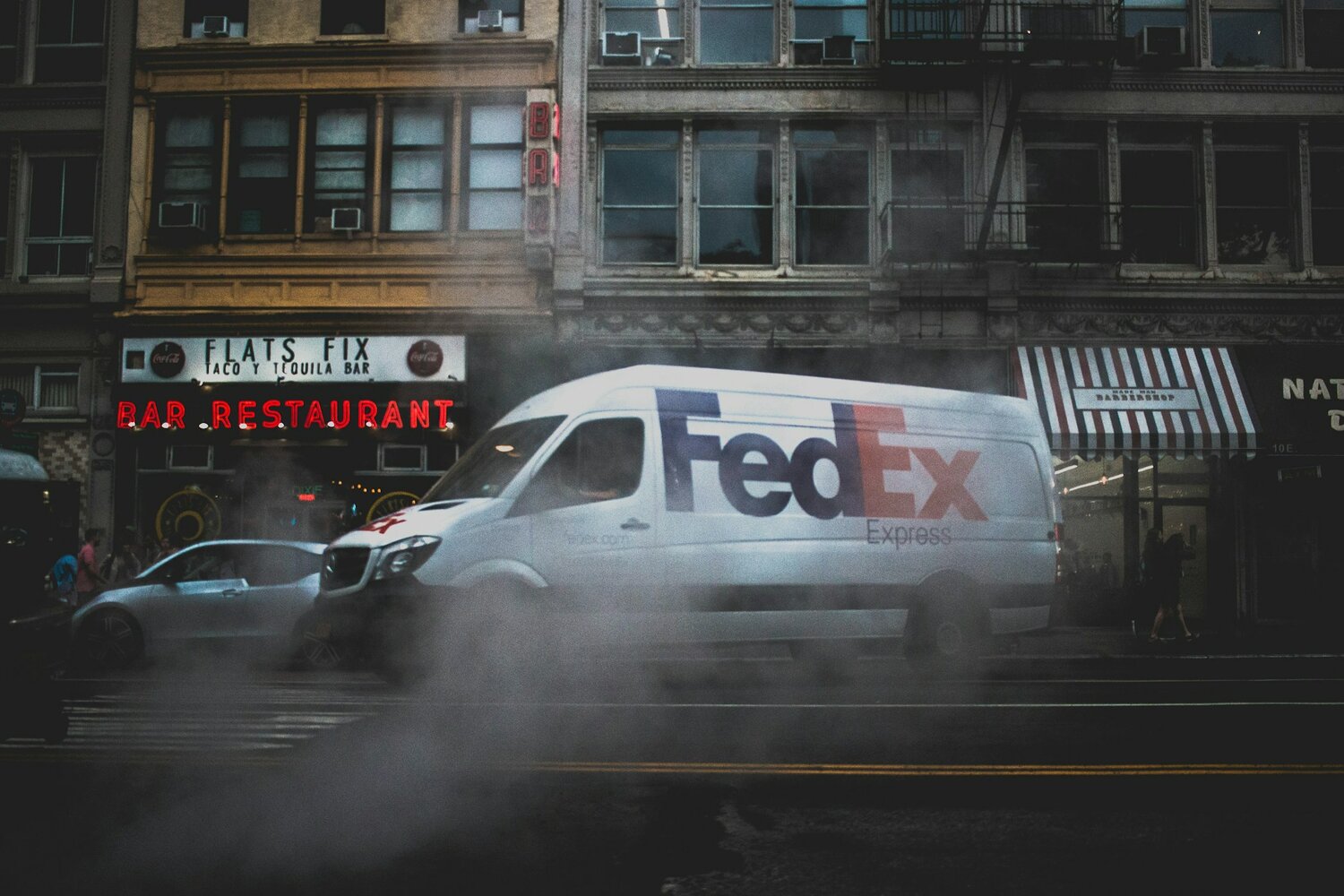
FedEx is testing reusable shipping boxes built for B2B logistics. The pilot aims to cut packaging waste while lowering costs in closed-loop supply chains.

Arkansas approves funding for local water and wastewater upgrades while expanding statewide infrastructure investment and planning future bond financing.

CSRD's water standard requires watershed-level data that takes 6–9 months to collect. Is your company prepared?

A SWPPP that does not match reality is not just a documentation problem — it is evidence of a compliance management failure that regulators treat as more serious than most facilities assume.

A new solvent-based process could accelerate lithium extraction from brines. The approach may unlock lower-grade resources beyond traditional evaporation regions.
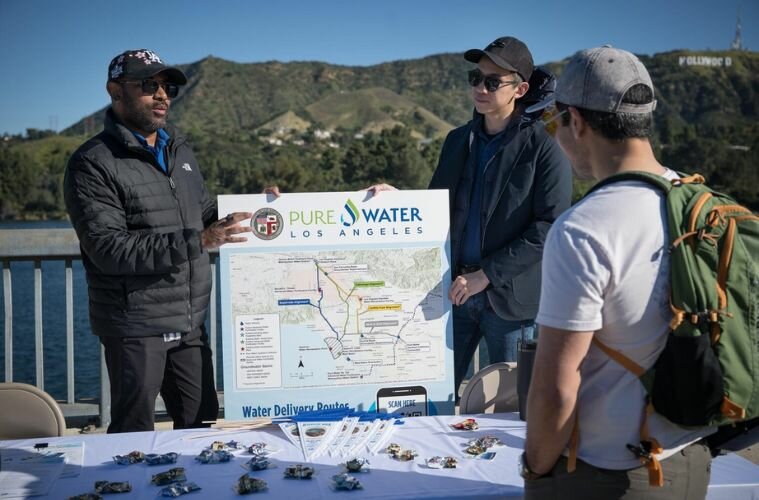
LADWP hosted a community reservoir walk honoring Women’s History Month and the 101st anniversary of Mulholland Dam while highlighting Los Angeles’ water infrastructure legacy.

A Maryland bill advancing in the Senate would restrict PFAS levels in sewage sludge applied to farmland and require monitoring and mitigation plans for wastewater systems.

PFAS enforcement, drought-triggered permit reviews, and shifting Clean Water Act jurisdiction are converging. Here's what EHS leaders need to address before Q2.

Flagship smartphones promise faster chips and sleeker designs. New lifecycle analysis shows manufacturing and sales scale still drive the sector’s carbon impact.

Washington is carving out a new recycling route for petroleum and automotive packaging. Regulators say some materials need systems beyond curbside bins.

Strikes on Gulf ports and the Strait of Hormuz are throttling oil, LNG, and freight movement. Here's what operations and procurement leaders need to know now.

TFA is the most abundant PFAS in the environment. Most labs aren’t detecting it. Two researchers explain why that’s a problem regulators can no longer ignore.

PFAS, CERCLA, contaminated sites, and tightening insurance are reshaping how deals get priced, structured, and closed — and what happens when they're not done right.

Westwater Resources has filed a federal water quality permit for its Coosa Graphite Project in Alabama - the largest natural flake graphite deposit in the contiguous United States.

99% of Patagonia's emissions come from places it doesn't directly control.

New research finds small shelf and discount changes can lift grocery profits by 6%. The same moves can cut food waste by more than 21%.

Two McMaster students built a circular fashion nonprofit that repairs and reuses donated clothing, quantifies carbon impact, and delivers complete outfits — not loose garments — to Hamilton families.

Steelhead Productions' sixth annual ESG report shows measurable gains in waste diversion, workforce diversity, and community impact — a rare model of sustained accountability in the events industry.

Synagro and Sedron plan a Florida biosolids hub. The Indiantown site aims to convert wastewater residuals into energy and reusable products.