

AI is scaling fast across energy, but adoption is uneven. New research shows gaps between sectors, shaped by data, talent, and operational demands.

Restoring low-yield peatlands may deliver climate benefits within decades. New research challenges old assumptions on emissions, land use, and restoration timelines.

A new study reveals the energy demands of top games like Free Fire and GTA V. Some titles emit more CO₂ per hour than a small appliance in your home.
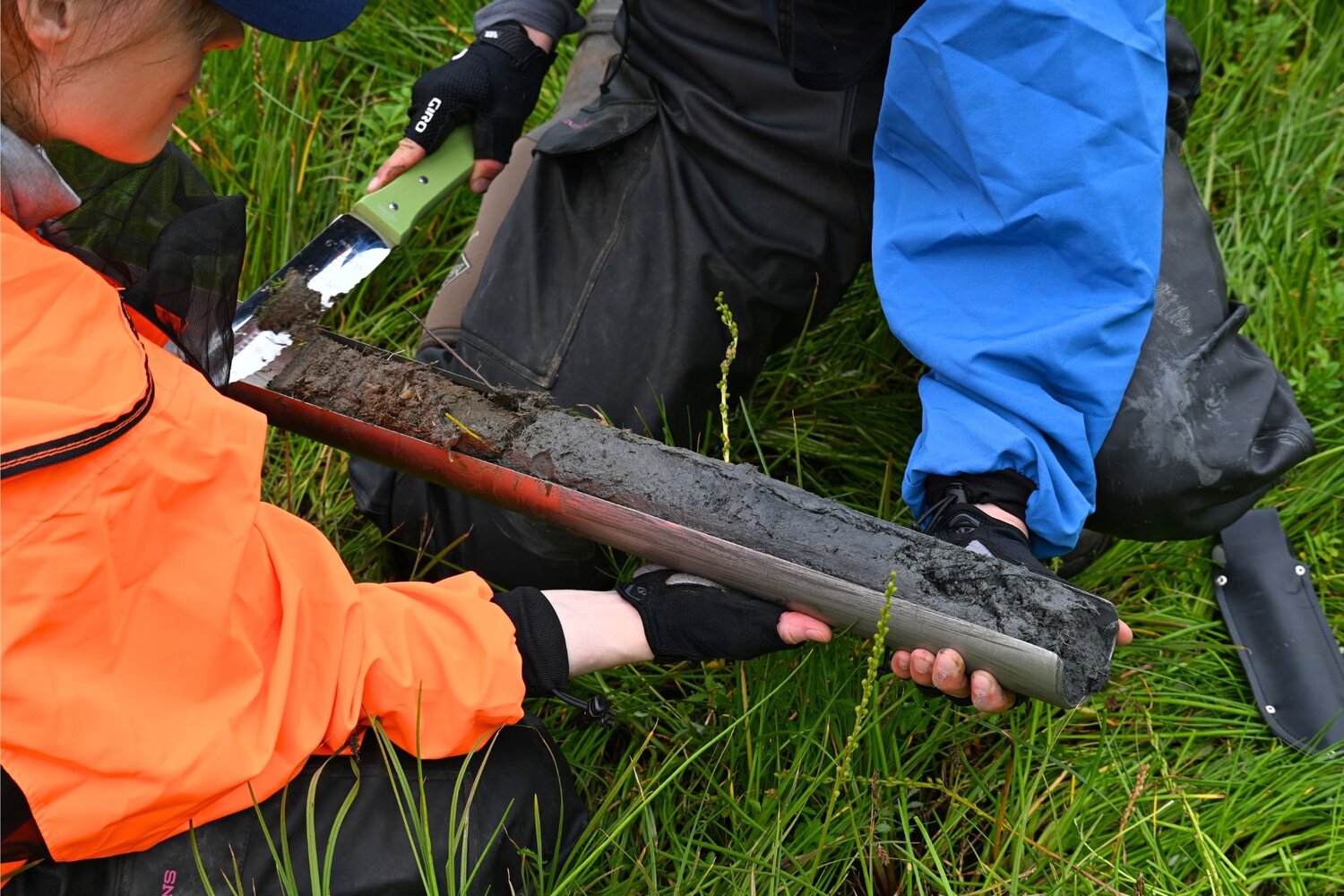
A new study finds common wetland carbon metrics may be overstating storage. The overlooked data gap could impact carbon credits and coastal restoration plans.

Sinovoltaics’ new platform offers 360° access to solar and battery factories. It’s a digital shift aimed at streamlining due diligence and cutting travel.

A new supercomputing platform is powering real-time wildfire forecasts. Utilities and agencies can now plan faster with AI models trained on decades of fire data.

Bowman will lead lidar mapping across GA, TN, AL, and SC after Helene. The project supports federal efforts to boost climate response and infrastructure planning.

A new model predicts submarine landslides with better precision. It updates risk as data comes in—cutting cost and boosting safety.
10X Engineered Materials demonstrates how AI offers a path toward more resilient, sustainable, and future-ready manufacturing.

EcoViz revolutionizes climate communication with interactive visuals, helping stakeholders address critical challenges like wildfires and reef restoration.

IRIDESENSE’s new LiDAR detects hydrocarbon contamination from 100 meters. This innovative technology ensures faster, accurate site analysis.
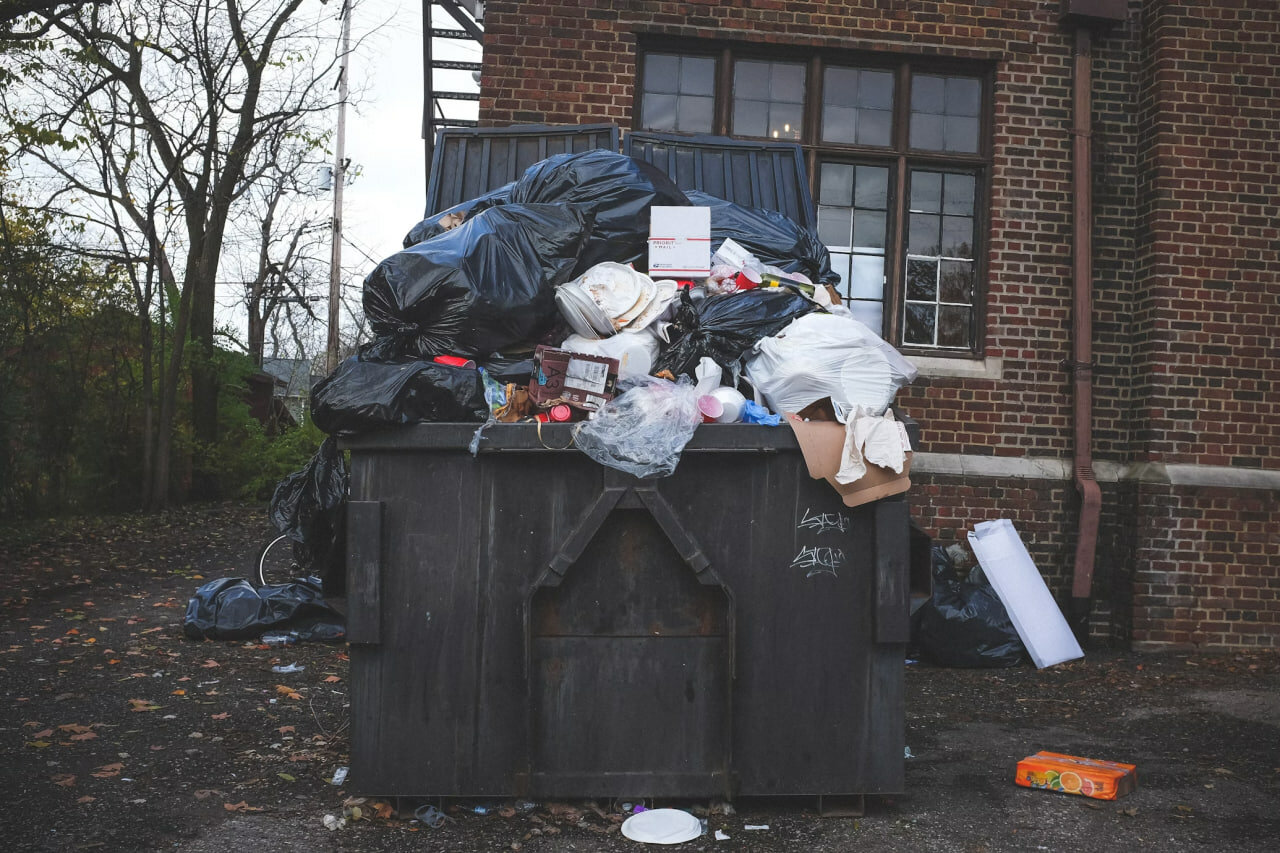
Oslo-based startup Sensorita uses radar sensors and AI to digitize construction waste bins, enabling optimized pickups and reducing manual checks.

Learn how digital twin technology delivers cost and environmental benefits, though a small percentage of executives are ready to invest, according to Hexagon's report.