

EnergyHub and Rivian are expanding managed EV charging across North America. The move helps utilities align EV load with real-time grid needs.

Imerys completes its SustainAgility 2025 program, exceeds emissions targets tied to financing, and launches a new 2030 sustainability roadmap.

Honolulu Airport has introduced three electric Wiki Wiki trams. The service-based upgrade lowers emissions and modernizes daily operations.

Nebraska assumes full NEPA authority for highway projects, shifting environmental review control from FHWA to the state and accelerating timelines.

Controlled fire whirls may change how offshore spills are tackled. Tests show faster burns, less soot and up to 95% fuel removal.

The EPA’s action does not eliminate environmental risk. It changes who prices it — and how quickly.

Aging systems, climate stress, and rising energy demand are exposing gaps in enterprise risk models built for isolated infrastructure failure.
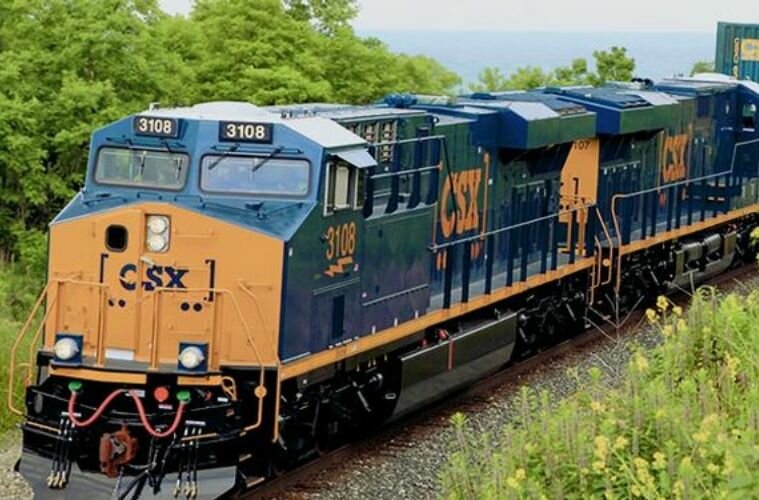
The $670M deal will upgrade locomotives with AC traction and digital systems to improve reliability, fuel efficiency, and rail network performance.

Preciball USA will invest $17.6 million in a new precision manufacturing facility in Screven County, Georgia, creating 65 jobs and expanding domestic production capacity.

Nature is shifting from ESG add-on to financial risk factor. Investors are starting to price ecosystems, resilience and climate exposure into long-term returns.

Energy availability and interconnection risk are forcing organizations to evaluate power feasibility earlier as execution timelines collide with infrastructure constraints.

A new philanthropic commitment to the Nuclear Scaling Initiative highlights a shift in U.S. nuclear strategy—from one-off projects to repeatable, standardized builds designed to meet rising electricity demand.

Short drone videos and wave analysis now enable fast, affordable current tracking. This new method skips radar and buoys—just video, math, and real-time insight.

FedEx rolled out SAF at two major airports in late 2025, boosting coast-to-coast use. But limited production threatens to slow the sector’s momentum.

A new DOE-backed partnership between South Dakota Mines and Idaho National Laboratory is using AI and waste heat recovery to reduce the energy demands of biomass drying.

When expected generation fails to materialize during periods of rapid demand growth, costs and reliability degrade quickly — and the effects cascade across wholesale and retail markets.

Logistics reliability is emerging as a board-level risk as supply chains face physical limits, delivery failures, and growing exposure across operations, finance, and governance.

Physical logistics limits are reshaping sourcing, inventory placement, and customer commitments earlier than planning cycles anticipated.

Eaton is separating its Mobility Group to double down on electrical and aerospace growth. How will that reshape the mobility supply chain?

A $2.3B Defense Logistics Agency contract underscores how chemical procurement is increasingly shaped by regulatory exposure, forecasting risk, and supply chain resilience.