

EU restrictions and supply chain pressure are pushing labs to replace Triton X-100, turning green chemistry into a procurement and compliance priority.
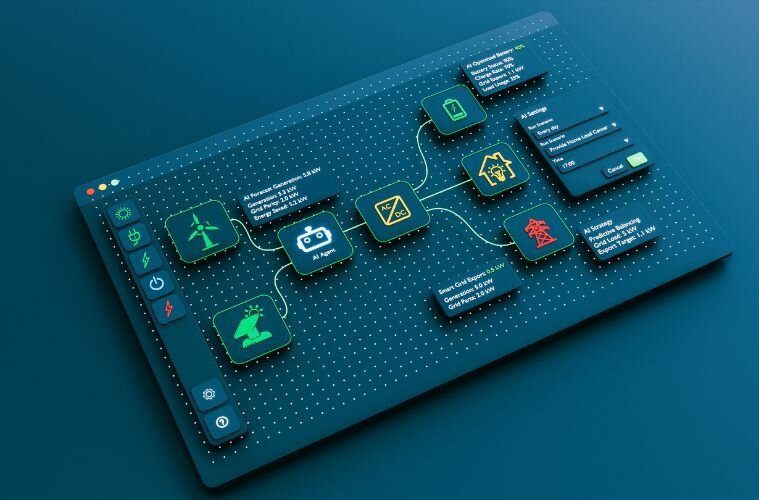
The EU's AccelerateEU plan responds to the Strait of Hormuz closure with fuel, grid, and clean energy actions that affect companies with European operations.

The assumption that power would always be available when a business needed it is no longer reliable — and that shift has consequences that go well beyond the facilities budget.

Investors are asking specific questions about energy access and grid exposure that most ESG disclosures weren't built to answer — and the gap is starting to show up in financing conversations.

Battery risks are rising in hazardous settings as systems scale. Intrinsically safe monitoring helps reduce exposure and improve uptime.

A live Mediterranean voyage tested AI navigation in real conditions. Results show computer vision can improve awareness and support crews at sea.

A new global coalition aims to define sustainability standards for AI data centers as energy and water pressures intensify worldwide.

UNSW's new $5 million research hub aims to prevent a supply chain crisis by tackling Australia’s fast-approaching solar waste problem and accelerating recycling infrastructure.

AI workloads are reshaping how data centers move data. STL’s Neuralis platform focuses on dense fiber and faster deployment to keep pace.

Data centers using 20 megawatts or more would need state approval, decade-long grid contracts, and quarterly water reporting under Vermont's new bill.

The environmental commitments your biggest customers made publicly are now showing up in your contract renewal.

Sustainability teams that focus only on improving operations, without understanding how those improvements are being measured and by whom, are optimizing for a scorecard they're not actually reading.

Environmental accountability has crossed into finance and law. Boards still routing ESG through comms are exposed in ways that go well beyond reputation.

Energy Vault enters Japan with an 850 MW storage pipeline and local team. The move targets grid demand and builds a long-term foothold in a complex market.

In agriculture, materials, transport, and heavy manufacturing, absolute emissions haven't fallen at the required pace. The gap isn't about ambition — it's about structural constraints

Chipmakers are rethinking hydrogen waste as new purification tech lowers costs. Recycling could improve efficiency while easing supply pressures.

Maine voted 21–13 to ban permits for data centers drawing 20MW or more through 2027 while a new state council evaluates grid and ratepayer impacts.

Artificial intelligence is advancing rapidly across healthcare, finance, and public policy, but experts gathering at the University of North Carolina at Chapel Hill say the technology’s trajectory remains defined by competing forces: breakthrough innovation, workforce disruption, and unresolved questions around privacy and accountability.

About 70% of Scope 3 carbon inventories fail at the verification stage, not because companies haven't made an effort, but because the governance architecture underneath the numbers isn't built to withstand external scrutiny.

Lawmakers push to preserve LIHEAP funding as energy costs rise, warning millions of households face growing utility affordability challenges.