
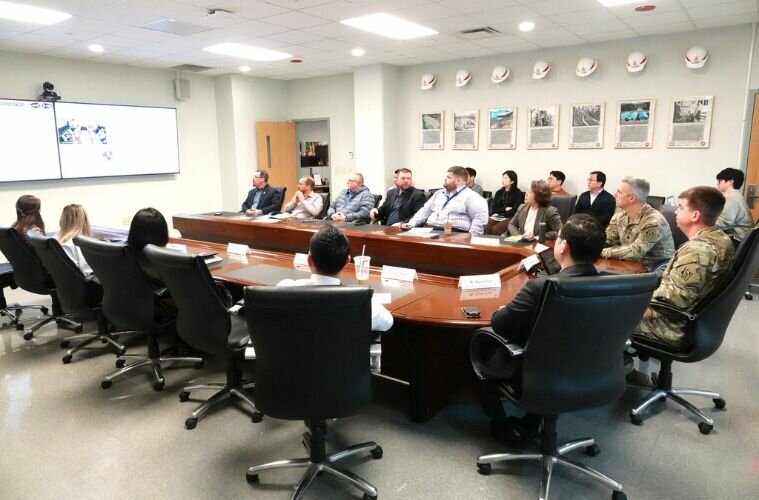
The Army Corps of Engineers Far East District just earned the Army Safety Star after seven years of work. What that process requires puts the Longview disaster in sharper context for EHS leaders.

Investors call corporate water risk disclosure unfit for decision-making yet keep relying on it. As regulatory pressure builds and water stress accelerates, that tolerance is ending.

MIT research shows third-party audited companies initially report 13.7% higher emissions. That is not failure. It is what honest measurement looks like — and regulators are watching.

As organizations face increasing pressure to manage water resources more efficiently, Amazon is highlighting its approach to water stewardship through a new online resource that details the company's efforts to reduce consumption, expand water reuse, and replenish water resources in communities where it operates.
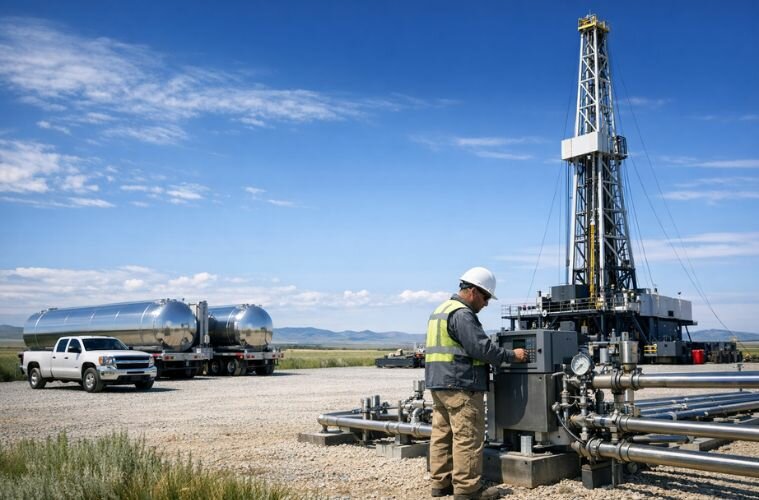
REV Exploration closes a $4M raise with Eric Sprott to advance its Aden Dome helium and natural hydrogen prospect as Middle East supply disruptions accelerate the North American sourcing race.

A UK consortium validated a floating hydrogen hub delivering 5MW of clean shore power to docked ships with no grid connection, cutting years off typical port electrification timelines.

Louisiana’s AI data center boom is testing the state’s power system. Advocates warn households and businesses could face higher bills without stronger oversight.
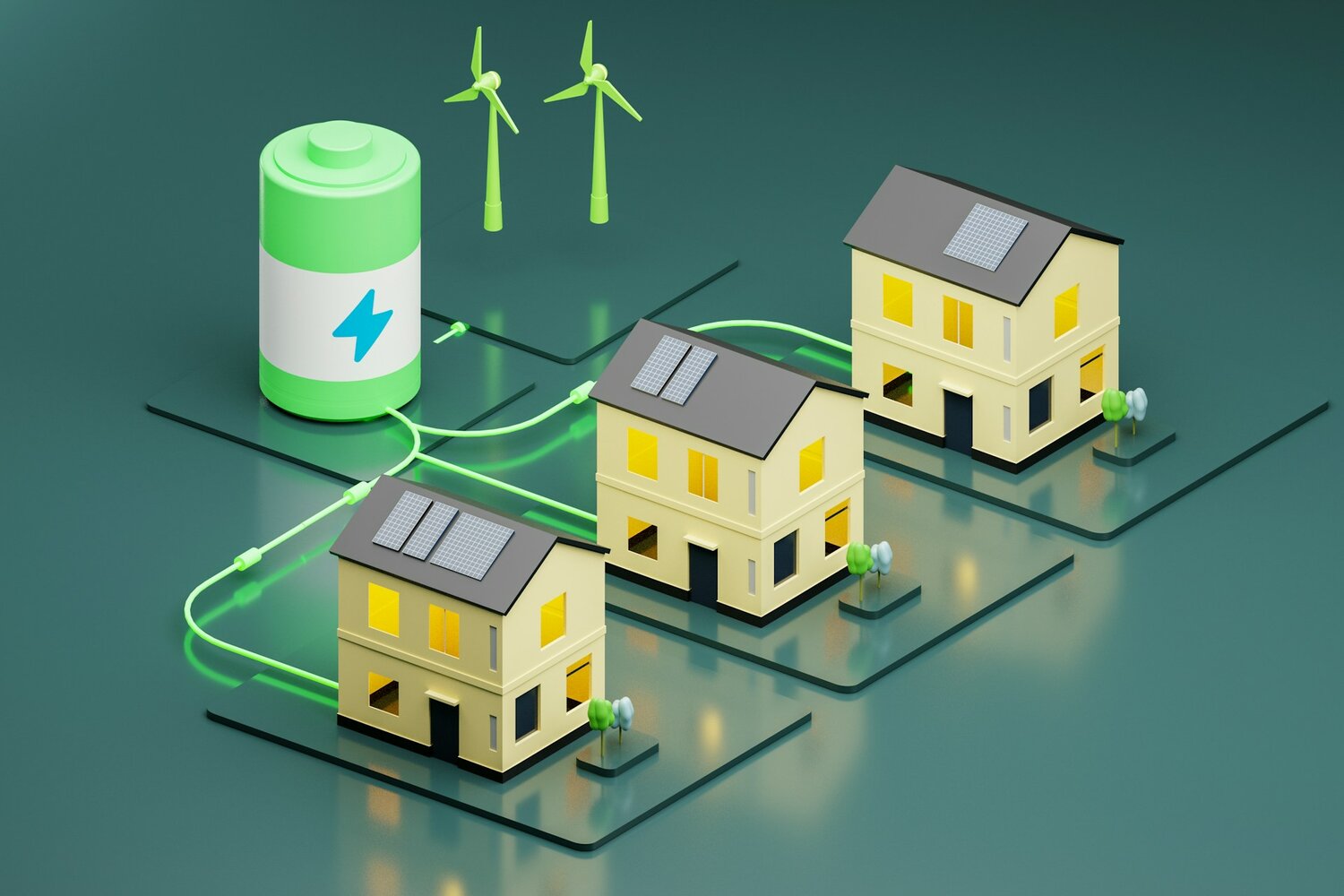
Prevalon’s HD5 AC shifts more storage work into the factory. The system is built to reduce field complexity, commissioning delays and project risk.
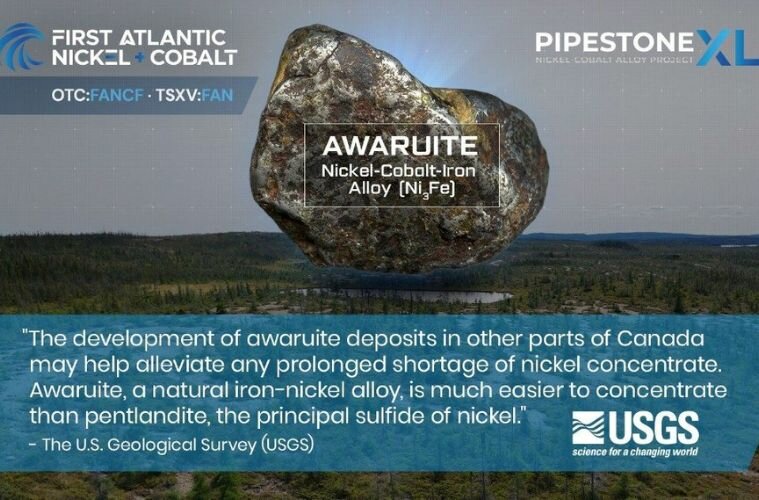
Pipestone XL's awaruite target skips smelting and HPAL processing, offering procurement teams a domestic nickel-cobalt alternative aligned with IRA content requirements.

Ameresco's Phase 1 manhole rehab in Mesquite, TX shows how cities are managing inflow and infiltration compliance risk as EPA enforcement on wastewater systems tightens heading into summer.

Regulators want data with a documented chain of custody. Assurance providers want controls, not commitments. Most corporate sustainability programs were not built for any of those three things.

A University of Rochester solar desalination system now extracts lithium directly from seawater, a development procurement teams tracking battery supply chain risk should follow.

DartPoints acquired a 343,000-square-foot campus in Lexington, Kentucky, with an owned substation and a path to 70 MW, targeting AI, hyperscale, and neo-cloud demand.

AI data centers need power faster than grids can expand. That gap is raising new reliability, pricing and project risks for businesses.
Idaho's April trade mission to Japan and Micron Technology's accelerated Boise fab timeline are positioning the state inside the semiconductor and AI supply chain buildout reshaping U.S. industrial geography.

The regulatory framework for industrial radiography involves multiple federal and state agencies, dose limits that carry criminal exposure if violated, and compliance failures specific enough that inspectors arrive with a checklist most field crews have never read.

OSHA's enforcement priorities have shifted, inspection weighting has evolved, and heat illness citations are expanding without a finalized federal standard, leaving many EHS programs misaligned with how inspections are actually being conducted in 2026.

The exposure most EHS teams are carrying right now is not from failing operations. It is from the inability to demonstrate that operations are succeeding.

PIMCO's 2025 Sustainable Investing Report covers $645B in sustainability strategies, 1,300-plus corporate engagements, and expanded ESG and climate frameworks across fixed income.

The California ISO Board of Governors approved 38 transmission projects totaling $6.7 billion to meet rising load demand and expand access to renewable energy basins across California by 2035.