

The data is better than it has ever been. It is also revealing something uncomfortable: visibility and control are not the same thing.

Pennsylvania has addressed less than 2% of its documented inventory of orphaned and abandoned wells, each one a potential source of methane emissions, groundwater contamination, and safety risk.
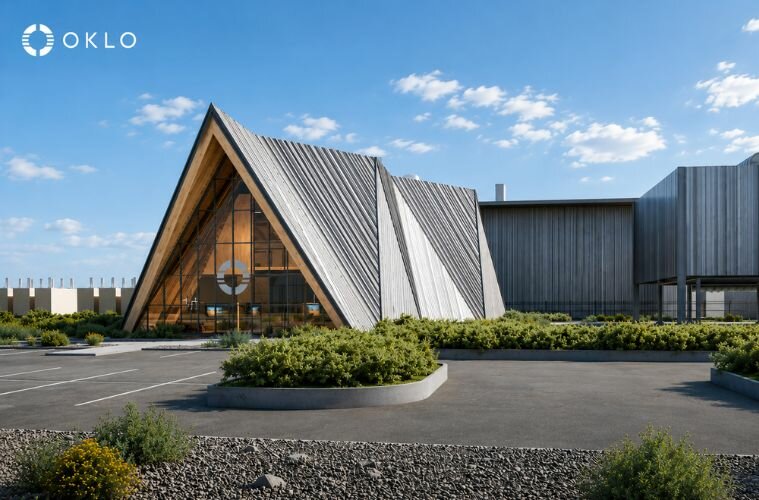
DOE's Idaho Operations Office approved a preliminary safety analysis for Oklo's Aurora reactor under the Reactor Pilot Program, a staged federal framework for advanced nuclear deployment.

A Verdantix survey of 350 energy leaders found energy price volatility is now the top obstacle. Companies treating resilience as backup power are carrying growing competitive exposure.

Colorado River storage is shrinking. Businesses face tighter water planning, higher supply risks and fewer buffers against dry years.

E2 tracked nearly 8 GW of canceled clean energy capacity and $13 billion in abandoned investment in Q1 2026 alone. The hidden cost is what those projects were supposed to deliver.

Global energy transition investment hit $2.3 trillion in 2025. But capital is concentrating in data centers and a few large managers, leaving most clean energy deals competing for less.
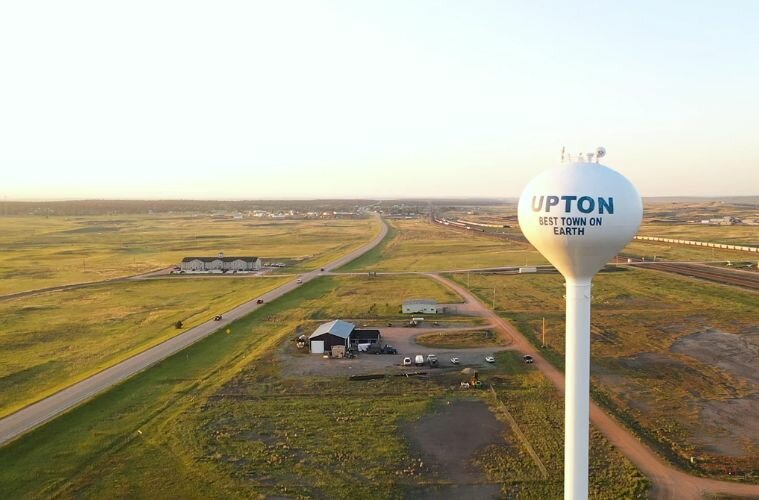
Rare Element Resources reports Bear Lodge is tracking toward March 2028 federal permitting completion under FAST-41, with its Wyoming separation demonstration plant targeting late summer 2026.

Eighteen EU member states signed a cross-border autonomous vehicle testbed agreement in Luxembourg on June 8, with $21.8 million in digital infrastructure funding launching this month.

Federal permitting blocked 11 GW of clean energy in one year. The interconnection queue holds 2,060 GW more. Operations teams with project-tied energy timelines carry direct exposure.
Sustainability teams must now report the same data through CSRD, IFRS S1 and S2, CDP, and GRI at once. Software providers are splitting into two distinct categories to keep up.

Red Metals is investing $70 million in a North Charleston copper rod plant launching Q4 2026, targeting shorter lead times for electrical infrastructure and advanced manufacturing buyers.
Steel, copper, and grid material costs have reset project economics across clean energy and infrastructure. Finance teams holding 2022-era models need to close the gap before H2 capital decisions land.

Global climate reporting relies on emissions data collected under different methodologies, standards, and frameworks, making cross-border comparisons more difficult than many assume.

Battery design is becoming a core issue for autonomous systems. Anthro and EnPower are targeting U.S.-made cells for defense, robotics and edge AI.

Vermont's governor vetoed H.727, the Vermont Sustainable Data Centers Act, on May 28. The House failed to override the next day, leaving the state reliant on existing regulatory tools.

Singapore, Malaysia, Indonesia, and Thailand have enacted mandatory sustainability disclosure. Third-party assurance lags years behind, leaving a gap between what is filed and what can be trusted.
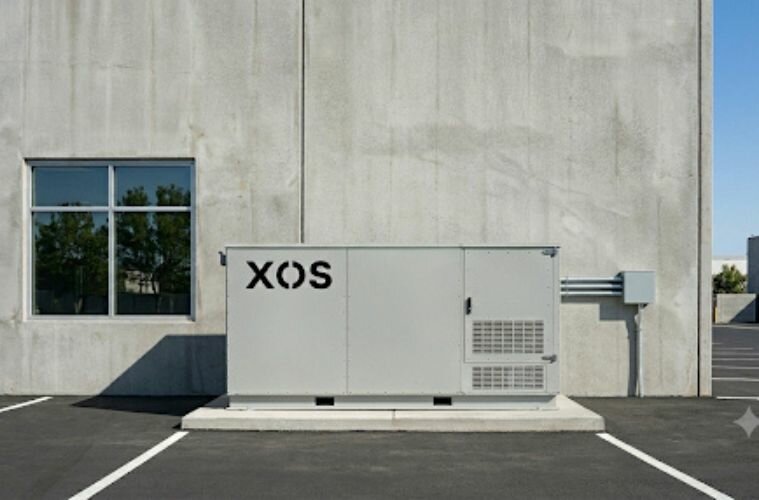
Xos launched a 2.5MWh containerized energy storage system targeting AI data centers and industrial sites stuck behind three-to-seven-year grid interconnection timelines.

Scope 3 emissions represent 75% of most corporate footprints, but 79% of companies say supplier data is their top challenge. That gap is widening as mandates tighten.

Utilities are rethinking customer programs as grid tools. Coordinated flexibility can cut peaks, support reliability and ease pressure on new capacity.