
For its aesthetic appeal and durability, black plastic is widely used across automotive, electronics, and food packaging industries. However, it poses a significant challenge to recycling efforts due to its inability to be detected by traditional near-infrared (NIR) sorting technologies, contributing to growing plastic waste concerns.
Black plastic is a type of plastic that is often produced using recycled materials. Its dark color is achieved through carbon black pigments, which help mask imperfections in the recycled plastics. This coloring technique allows manufacturers to reuse plastics that might otherwise go to waste.
However, black plastic’s color also creates a significant problem in the recycling process. The carbon black pigment absorbs light, making it invisible to the near-infrared (NIR) sorting systems commonly used in recycling plants. As a result, these plastics are often misidentified or excluded from the recycling stream, leading them to end up in landfills instead. This issue complicates efforts to meet stricter global recycling regulations and sustainability goals.
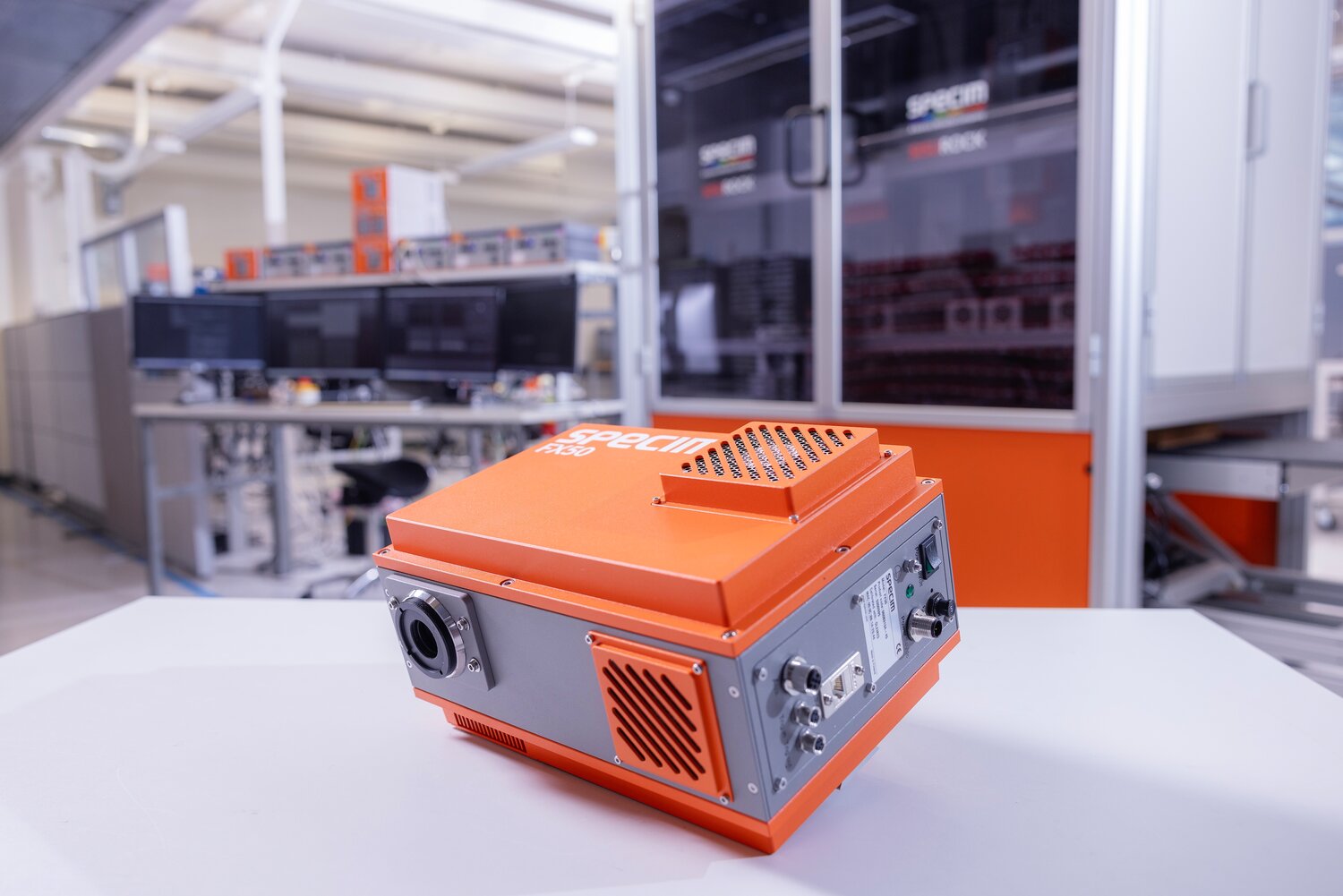
Unlike NIR systems, which cannot detect black plastic due to its light-absorbing properties, mid-wave infrared (MWIR) hyperspectral imaging operates in a different spectral range (3–5 µm). In this range, plastics exhibit distinct molecular "spectral fingerprints" that MWIR systems can detect. This allows for accurately sorting black plastics, which traditional methods would otherwise miss.
MWIR technology improves sorting accuracy and reduces reliance on resource-heavy traditional recycling methods, such as water-based separation.
Black plastics are extensively used in dashboards, bumpers, and interior trims in the automotive sector. MWIR technology allows manufacturers to efficiently recycle these materials, helping them meet environmental regulations and reduce waste.
Black plastic casings are ubiquitous in electronics, from smartphones to household appliances. The ability to sort and recycle these materials supports compliance with e-waste regulations.
The food packaging industry also stands to gain. With current methods, black plastic trays used in packaging ready-to-eat meals are difficult to recycle. Still, MWIR hyperspectral imaging could help prevent this waste from ending in landfills.
The efficient sorting of black plastics has broad environmental benefits. Recycling these materials reduces the amount of waste sent to landfills, conserves resources, and helps close the loop in the circular economy. Economically, manufacturers can cut costs by reusing recycled plastics rather than relying on virgin materials.
Additionally, MWIR technology can help companies avoid fines related to non-compliance with recycling regulations, providing a financially viable solution that aligns with sustainability goals.


