
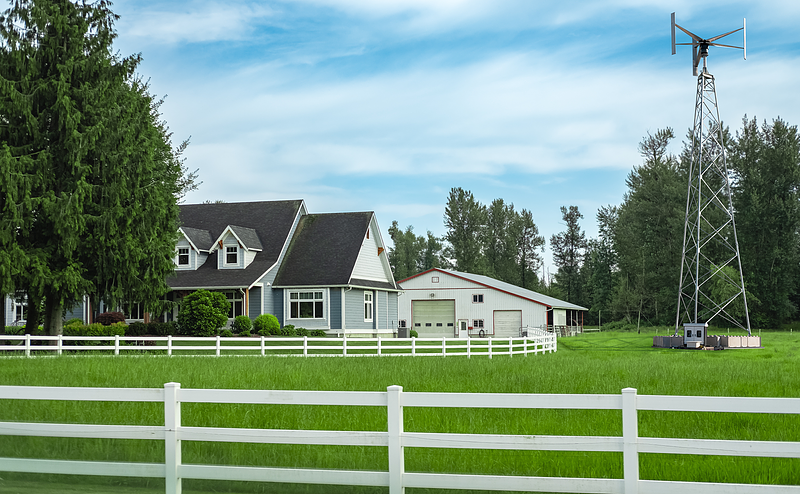
The U.S. distributed wind market already has an established base, with more than 92,000 distributed wind turbines installed nationwide, according to the figures provided. Interest could continue as businesses respond to grid reliability concerns, rising electricity demand and power price volatility.
Agricultural operations may be among the more practical use cases. Farms often have land available, consistent energy needs and outage risks tied to irrigation, refrigeration, livestock care and processing. Rural businesses and commercial facilities may also benefit from reducing exposure to centralized grid disruptions.
However, small wind remains a site-specific investment. Wind resource quality, interconnection rules, incentives, installation costs and maintenance planning can all affect project performance. In many cases, the strongest business case will likely come from sites where wind complements solar and storage, rather than being treated as a standalone solution.
Freen notes that the Freen-9’s installation height typically falls below the Federal Aviation Administration review threshold for larger turbines. That may help simplify some projects, although local zoning, permitting and utility requirements will still vary.
The turbine is manufactured in the European Union under certification frameworks including EN 1090-1, ISO 9001:2015 and ISO 3834-2. For the U.S. market, Freen is working with domestic partners to support project development, installation and service.
That local execution will matter. Energy buyers may be interested in resilience, but they also need clear economics, reliable installation partners and maintenance support. For small wind to gain wider traction, manufacturers will need to prove that the technology can fit into real-world energy plans without adding unnecessary complexity.


