Kaleigh Harrison
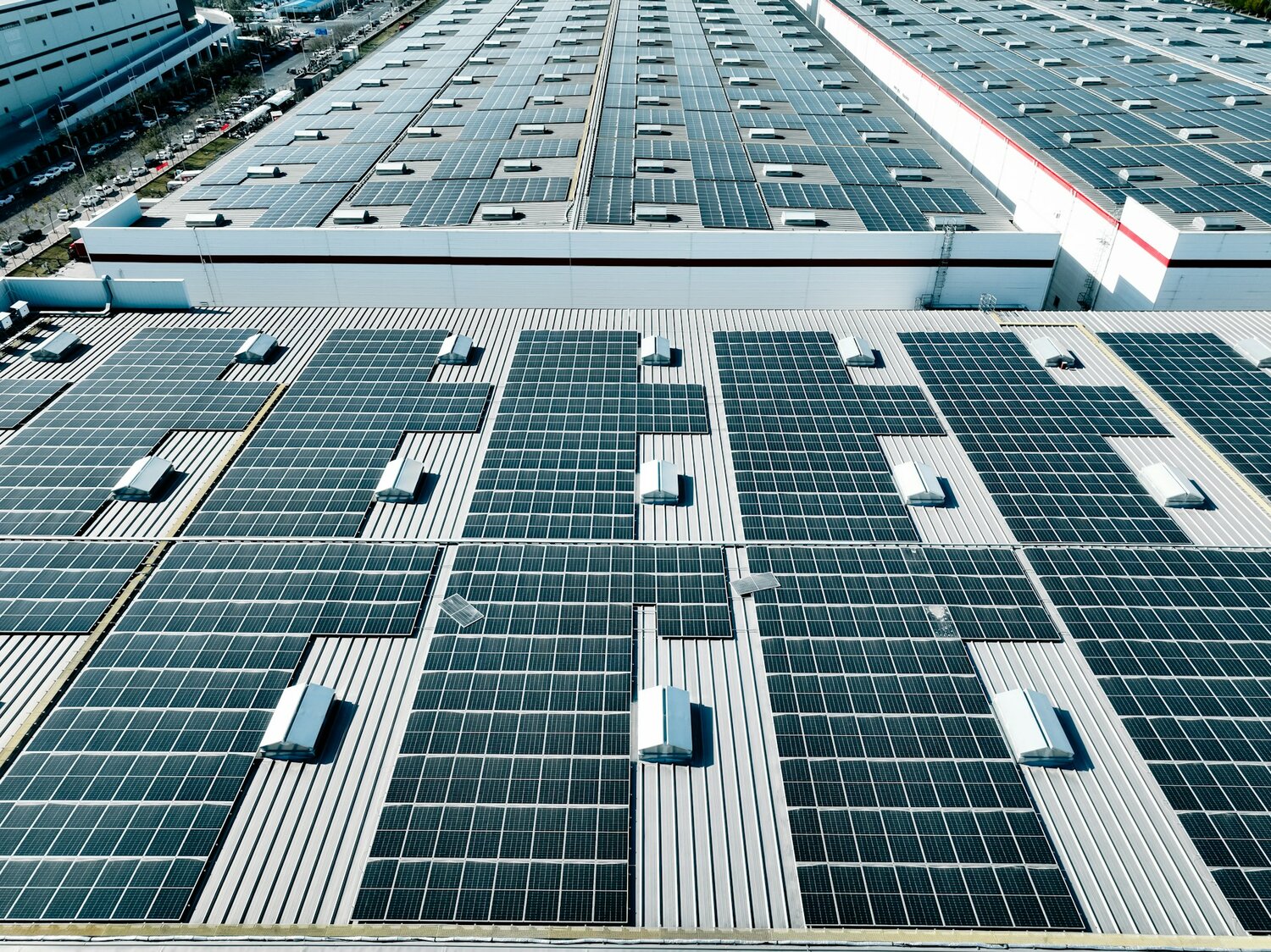
Costco’s Norwalk, Connecticut warehouse is now running its standalone tire center fully off-grid, powered by solar energy and on-site battery storage. The installation, delivered by Trinity Energy, produces up to 2 megawatt-hours of electricity daily—enough to eliminate the site’s reliance on the local utility grid.
Rather than framing the move as a pure sustainability play, Costco’s deployment signals a deeper shift: treating energy not as a sunk operating cost, but as a critical business asset. With the U.S. grid under pressure from
AI data centers,
EV charging expansion, and aging infrastructure, businesses are rethinking how they power operations.
Costco’s approach reflects an increasing number of enterprises aiming to future-proof against rising energy costs, capacity bottlenecks, and regulatory pressures. According to Assistant General Merchandising Manager Shay Reed, this reframing of energy management supports long-term operational stability and financial resilience.
"Energy should be treated as a necessary, finite resource as opposed to an expense or balance sheet charge. Our work with Trinity shows how energy can become a real asset that secures our operations, aligns with our sustainability goals, and reduces risk. This partnership is helping us lead the way toward greater energy independence.”The microgrid ensures that essential services—like those in tire centers dependent on pneumatic tools and lighting—can continue without interruption, regardless of
grid issues. By generating and storing energy on-site, Costco safeguards revenue and customer service against power outages.
Modular Microgrids Offer Scalable, Industry-Wide Benefits
Built by Washington-based Trinity Energy, the system in Norwalk is part of a broader effort to deliver scalable, turnkey energy infrastructure to enterprise customers. Trinity’s modular platform integrates solar generation, battery storage, inverters, and intelligent energy management software into unified systems that can be adapted across industries—from retail and logistics to multi-family and hospitality.
What sets the model apart is its focus on deployment speed and operational reliability. Trinity’s systems are designed for rapid installation, bypassing the long wait times and permitting challenges often associated with utility grid tie-ins. The integrated software continually optimizes energy flows—balancing generation, storage, and usage in real time to ensure efficiency and uptime.
Trinity COO Tim Owen notes that the company’s engineering approach centers on validation and performance assurance. “By integrating our advanced hardware and software into a single, cohesive solution, we guarantee customers an intelligent, proven, and rigorously tested renewable energy system designed to meet their current and future energy needs.”