

What companies must report in 2026 under California SB 253 and SB 261, the EU CSRD, ISSB standards and the changing SEC climate disclosure landscape.

A climate science critic now leads the USGCRP, the federal program behind the National Climate Assessment that underpins infrastructure risk planning.

Utility rate cases can take a year to clear, and corporate electrification targets now carry legal disclosure weight, turning a planning gap into a financial risk.

Treasury now expects to finalize 45Z clean fuel tax credit regulations in November, extending uncertainty for renewable fuel projects and investment planning.

Ireland could owe up to $30 billion (€26 billion) by 2030 for missing EU climate targets, new fiscal modeling shows, with costs rising after 2030.
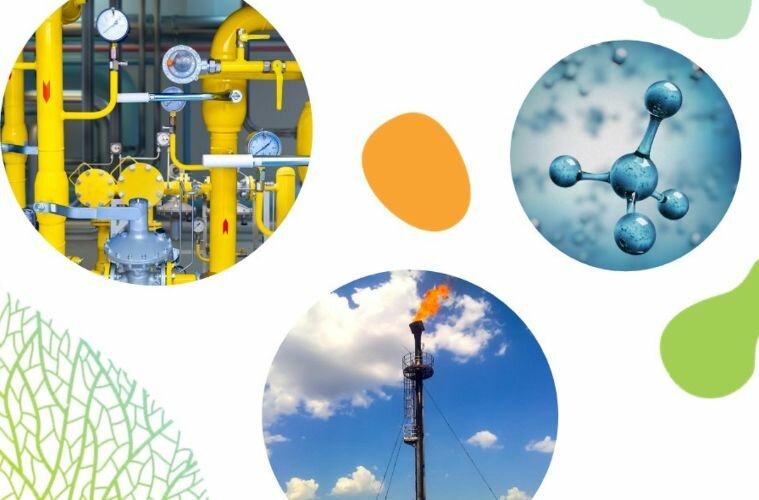
Senior energy officials from Qatar, the U.S., Nigeria, and Algeria are urging the EU to clarify methane rules before 2027 import requirements begin, warning of rising supply disruption risk.

The D.C. Circuit unanimously upheld the EPA's 2024 PM2.5 soot standard on June 26, rejecting the Trump administration's bid to abandon the rule. EPA said it is reviewing the decision.

Speakers at London Climate Action Week said cities, businesses, and regional coalitions are increasingly driving climate action ahead of COP31.

World Athletics' 2026 midpoint review shows what happens when sustainability stops being a pledge and becomes a contractual deliverable embedded in event hosting requirements.
For years, uncertainty justified delay. Increasingly, uncertainty itself is becoming the cost organizations can no longer afford to absorb.

The biggest risk entering H2 may not be execution. It may be relying on planning assumptions that no longer reflect operating conditions.

The EEA's 2025 bathing water report shows 85% of EU sites rated excellent, but river quality lags and new EU rules expand monitoring for PFAS and microplastics.

Capital stalled, compliance maps got harder, and supply chain pressure formalized. Executives who planned for Q2 resolution need a different framework going into the second half.

Only 37% of corporate net zero targets cover Scope 3. Supply chain emissions average 11 times a company's own footprint. The people deciding whether climate goals are met are upstream.

Companies are now accountable for emissions and environmental risk in supplier facilities they do not own. Most sustainability programs were not built for that scope.

Supplier audits confirm today's compliance. They were not built to assess whether a supplier's operating environment is becoming more fragile. That gap is now a strategic liability.

Twenty-one percent of supply chain leaders still operate without real-time visibility into disruptions affecting their suppliers

The data is better than it has ever been. It is also revealing something uncomfortable: visibility and control are not the same thing.

Organizations that can demonstrate command over their value chain emissions are differentiating themselves in procurement decisions and investor conversations in ways that organizations relying on estimates cannot match.

Sustainability teams must now report the same data through CSRD, IFRS S1 and S2, CDP, and GRI at once. Software providers are splitting into two distinct categories to keep up.