

Real-time data helps facilities reduce waste, optimize staffing, and keep spaces stocked without unnecessary effort.

W&L launches its Eco-Rep program, empowering students to lead sustainability efforts and support the university’s goal of carbon neutrality by 2050.
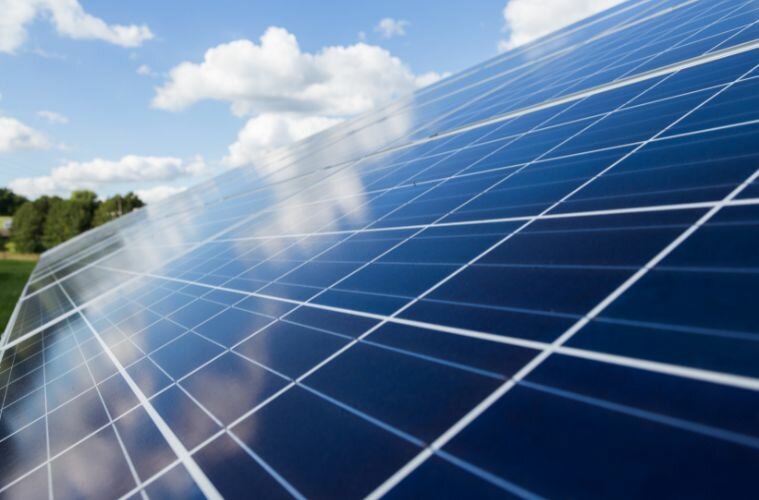
A new joint venture aims to accelerate corporate adoption of clean energy solutions.
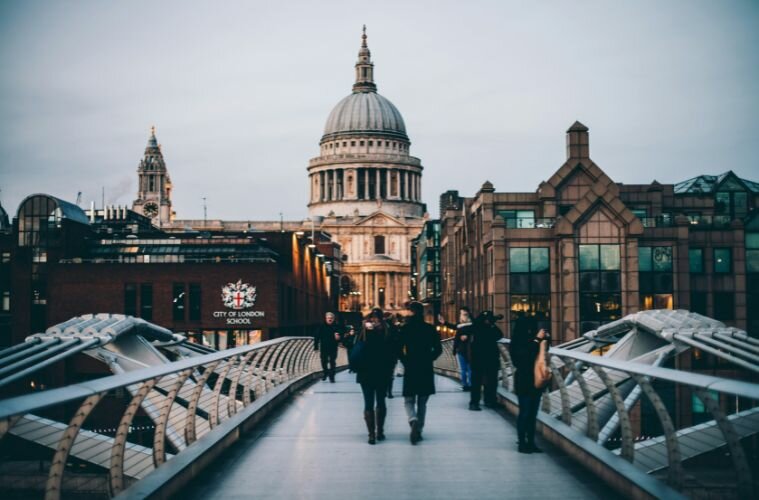
London’s ULEZ cuts pollution by 53%, improving school commutes, but families in outer areas struggle with costs and limited transport options.
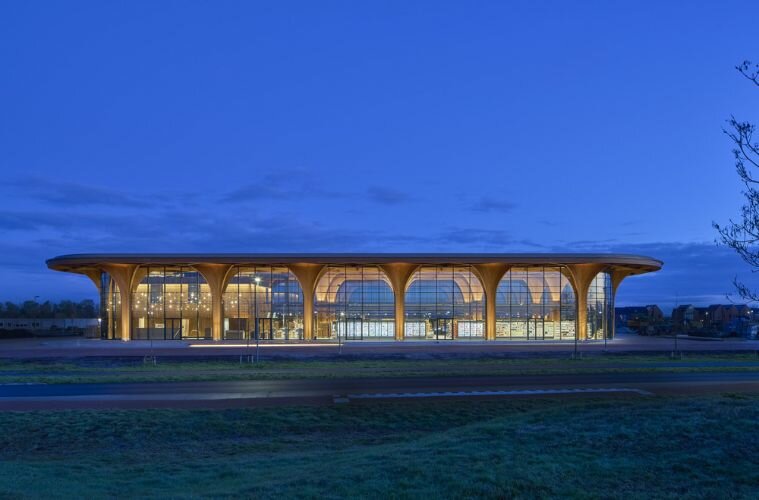
SuperHub Meerstad merges sustainability, renewable energy, and multifunctionality to create a future-ready community hub in the heart of a growing city.

Cuba’s push for renewable energy is a step in the right direction, but it falls short of addressing the immediate challenges of its struggling electrical system.

As semiconductor manufacturers pour billions into new facilities, a parallel challenge is unfolding—the need for infrastructure to support the workforce.
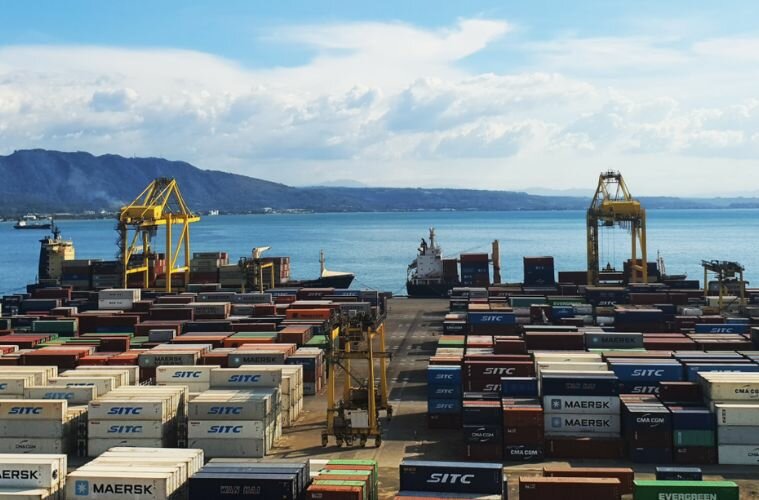
MCT now operates on solar power during the day, reducing carbon emissions while ICTSI invests $100M to expand the terminal’s capacity.
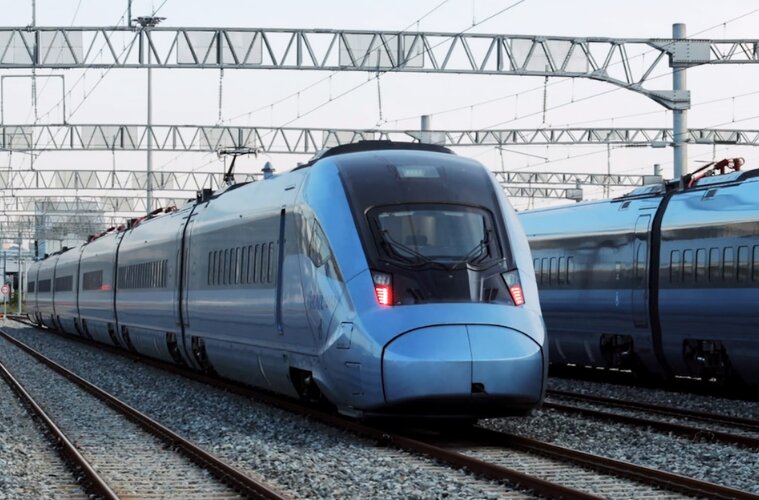
As part of its commitment to sustainability, Hyundai Rotem is actively developing hydrogen-powered trains and fuel cell trams, aligning with global carbon neutrality goals.
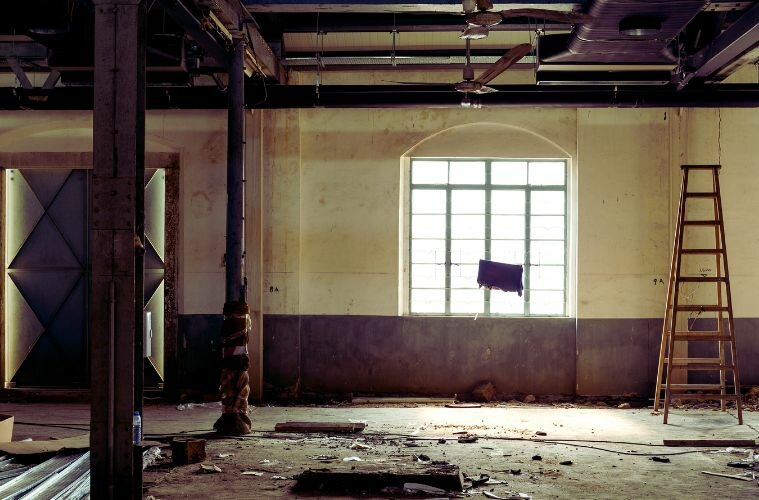
Brownfields—abandoned or underutilized properties with potential environmental contamination—exist in nearly every community.
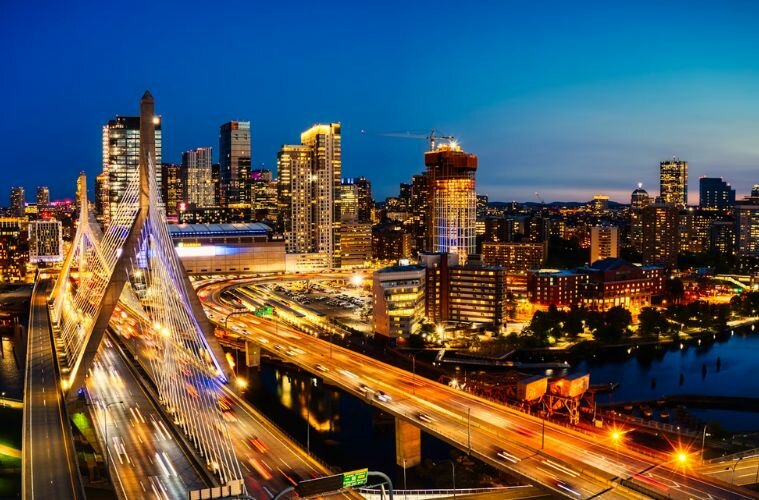
Massachusetts is set to see major infrastructure improvements as part of an $8 billion transportation plan that will fund critical projects and strengthen the state’s workforce.
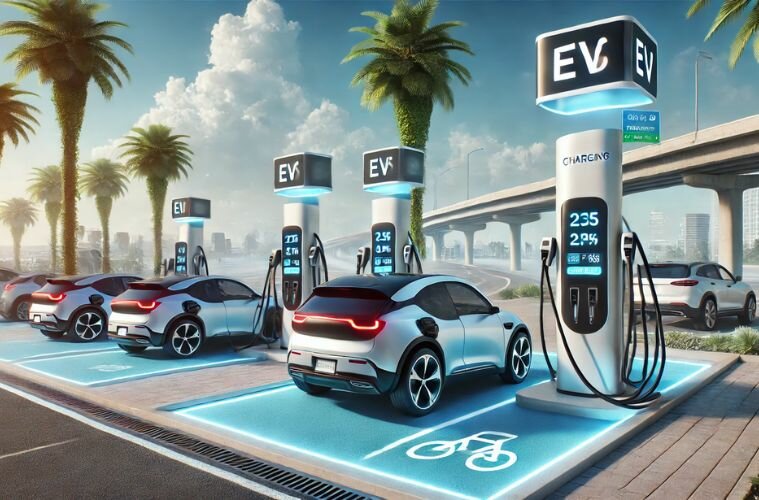
The bill seeks to provide funding for statewide transportation improvements, but its impact on EV affordability and expansion remains uncertain.
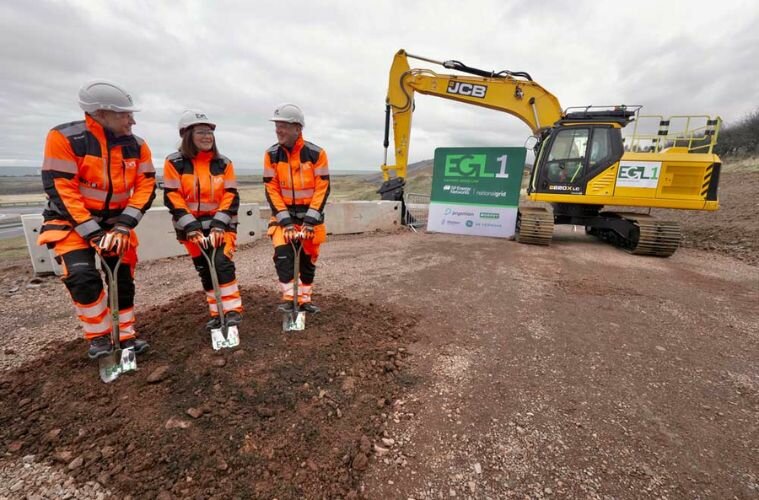
With a £2.5 billion investment and an anticipated completion in 2029, the project promises long-term economic and environmental benefits.

New research suggests that advanced post-processing techniques and machine learning models could revolutionize how solar power is predicted.

In 2025, the United States is intensifying its efforts to rehabilitate brownfield sites—properties hindered by the presence or potential presence of hazardous substances, pollutants, or …
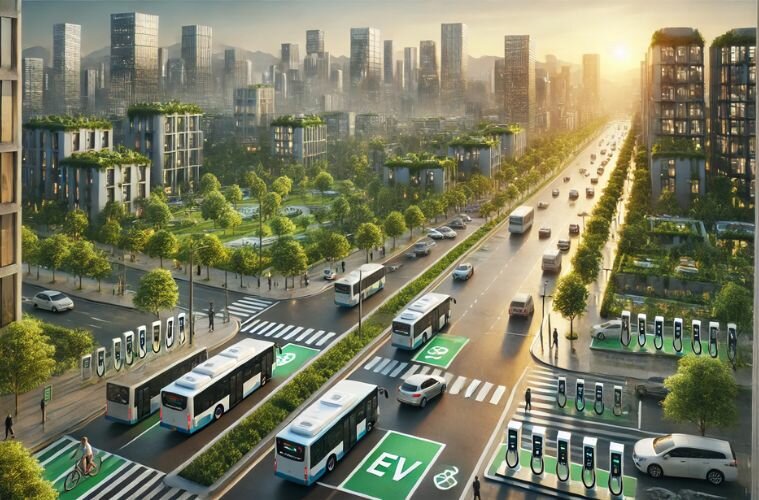
With Trump halting EV programs, cities must adapt or delay clean transportation goals—what’s next for urban mobility?

Sweden has expanded its special export credit guarantee program for Ukraine, increasing available funds by 166% in 2025.
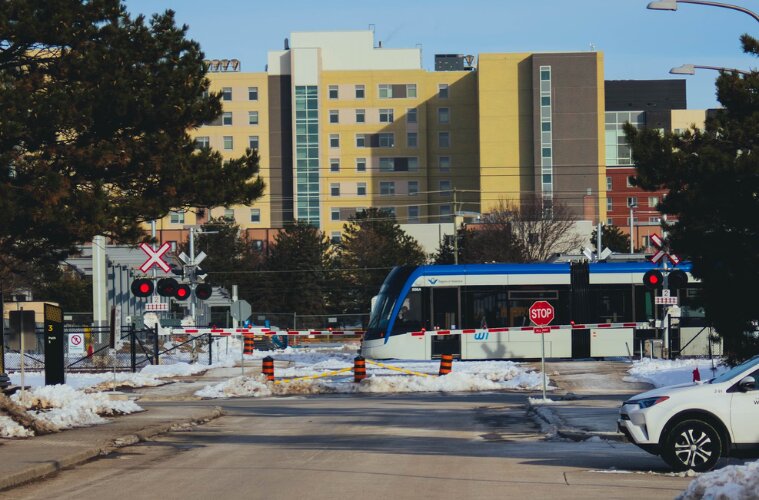
Through the Canada Public Transit Fund (CPTF), Waterloo’s Grand River Transit will receive $71.7 million over 10 years starting in 2026.
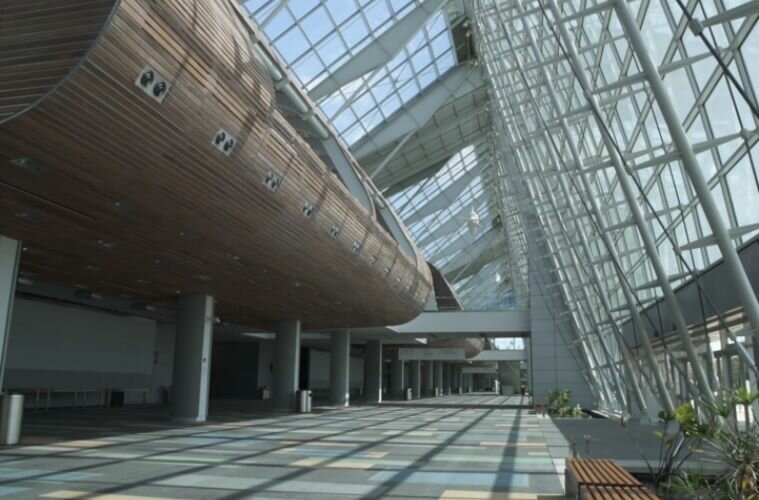
From offices to convention centers, Virginia’s 2024 LEED-certified projects set new sustainability standards.

The Basque Country cut GHG emissions 33% since 2005, but 45% of its raw materials still come from outside the EU.