

South Korean semiconductor high schools are tying technical training to industry jobs as chip exports surge and manufacturers plan new production capacity.

Lake Powell has dropped to a quarter of capacity, and the rules governing the river expire this year, reshaping site decisions for chipmakers and data centers.

Ontario is planning its nuclear workforce before shortages arrive, and Darlington shows how retaining skilled workers and suppliers can speed execution.

Micron's two-year fab delay shows why construction lenders now scrutinize schedules, contingency levels and completion timelines on major projects.

Insurers are looking deeper into supplier networks as concentrated sourcing and hidden upstream dependencies reshape business interruption risk.

Mature-node chips used in controls, power systems and industrial equipment are getting more expensive as AI demand reshapes semiconductor capacity.

Four advanced reactors reached zero-power criticality by July 4, but licensing, manufacturing, and commercial deployment will require far more capital.

The largest federal investment in water infrastructure in decades is winding down as demand stays high and future funding faces proposed cuts now.

Moody's July update puts hyperscaler lease commitments at $1.2 trillion, up from $969 billion in February, with most growth still off balance sheets.

DOE financing could accelerate ten AP1000 reactors, but the largest components still depend on a small overseas network of qualified heavy-forging suppliers.

OSTP's new report pushes federal R&D toward venture funding, AI-driven discovery and domestic manufacturing, reflecting Kratsios' Silicon Valley background.
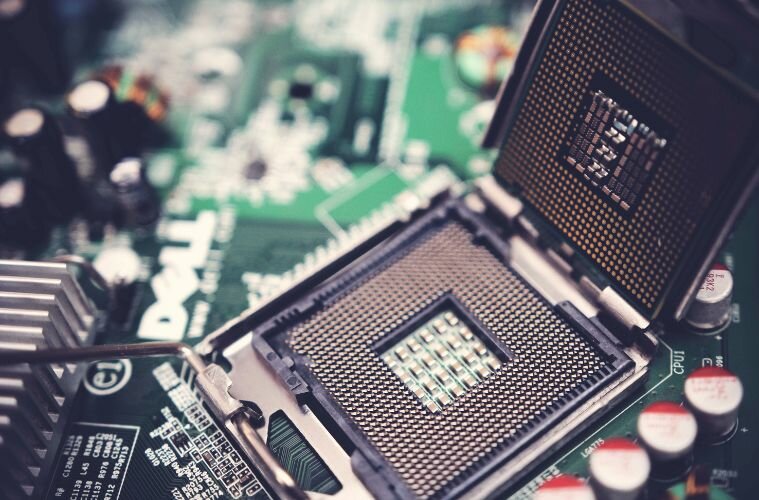
Months after strikes disrupted Qatar's helium output, Asian chipmakers still face tight supplies, higher costs and dependence on alternative sources.

A transformer and switchgear shortage threatening data center development is also affecting utilities, power projects, and broader industrial expansion.

South Korea's government has committed to an 18.4 GW AI data center buildout backed by discounted power and land rights, ahead of confirmed demand.

Saudi Arabia is combining incentives, sovereign financing, data center construction and access to advanced chips to accelerate its AI infrastructure buildout.

Four U.S. advanced reactor experiments reached criticality by a July 4 target, producing new data on how quickly designs can move from construction to testing.

Air Liquide announced three U.S. industrial gas investments in July 2026 totaling over $530 million, tied to semiconductor and chemical manufacturing growth.
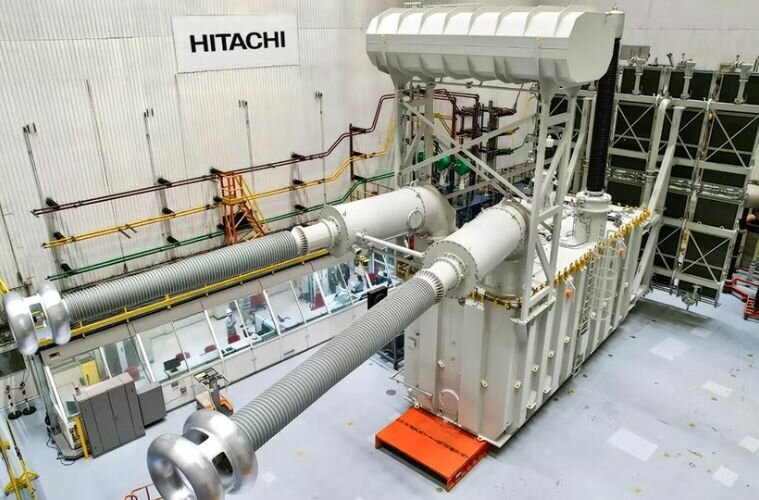
Manufacturers in South Korea, Brazil, and India are expanding transformer capacity as grid growth turns electrical equipment into a strategic industry.
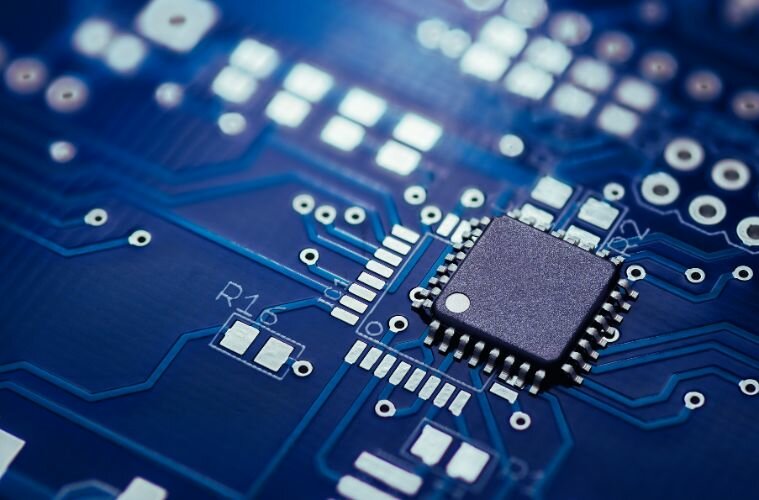
The UAE is showing what happens when power, capital, permitting, and chip access are coordinated before construction begins, not assembled project by project.
Tax incentives are sliding down site selection checklists as states compete on power availability, and several are already rebuilding programs around it.