

Global vegetation growth hit a record high in 2020, driven by CO2 and reforestation. This surge offers new opportunities in climate solutions.
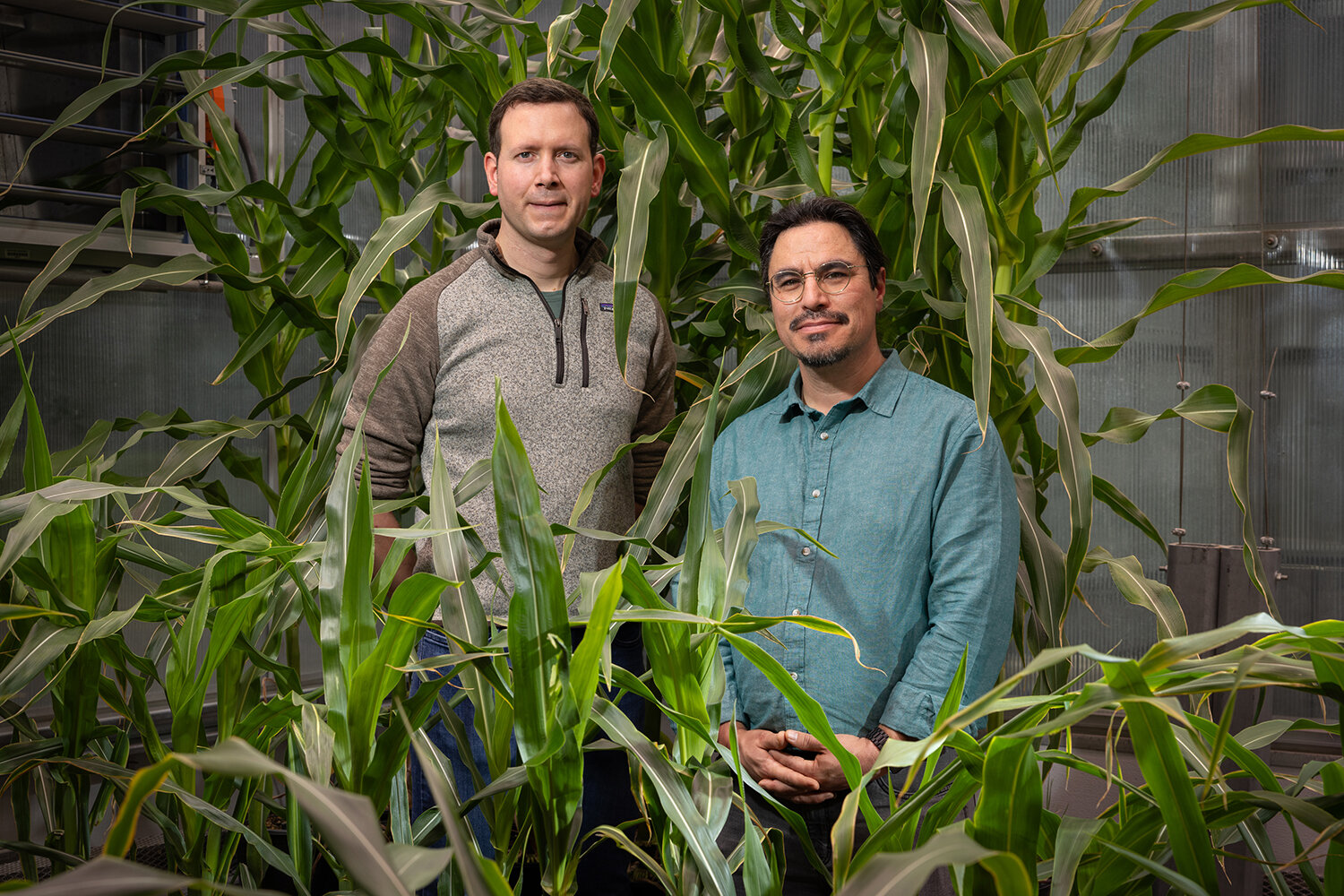
Discover how scientists are unlocking drought-resistant corn through genetic breakthroughs, enhancing crop resilience amid climate change.

Texas A&M announces plan to drive the future of nuclear energy with SMRs, partnering with top companies to boost power for key industries.

Scientists have developed a nanopesticide system that enhances pesticide adherence, reducing waste and improving crop protection efficiency.
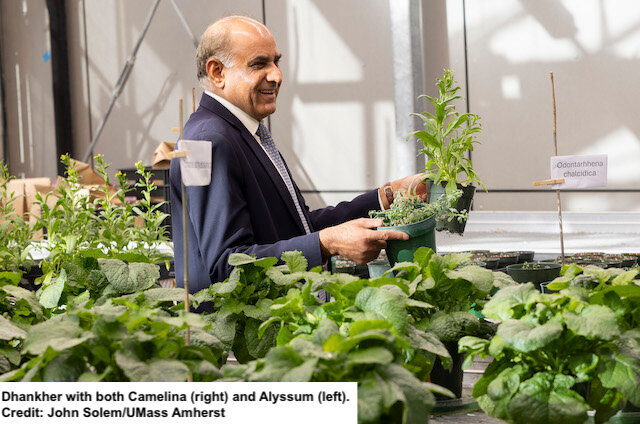
A breakthrough at UMass Amherst could supply 30% of U.S. nickel demand using modified plants. This innovation supports green energy and mining.

A Finnish study shows that designated feeding zones and deterrents can reduce barnacle goose crop damage, easing financial strain on farmers.

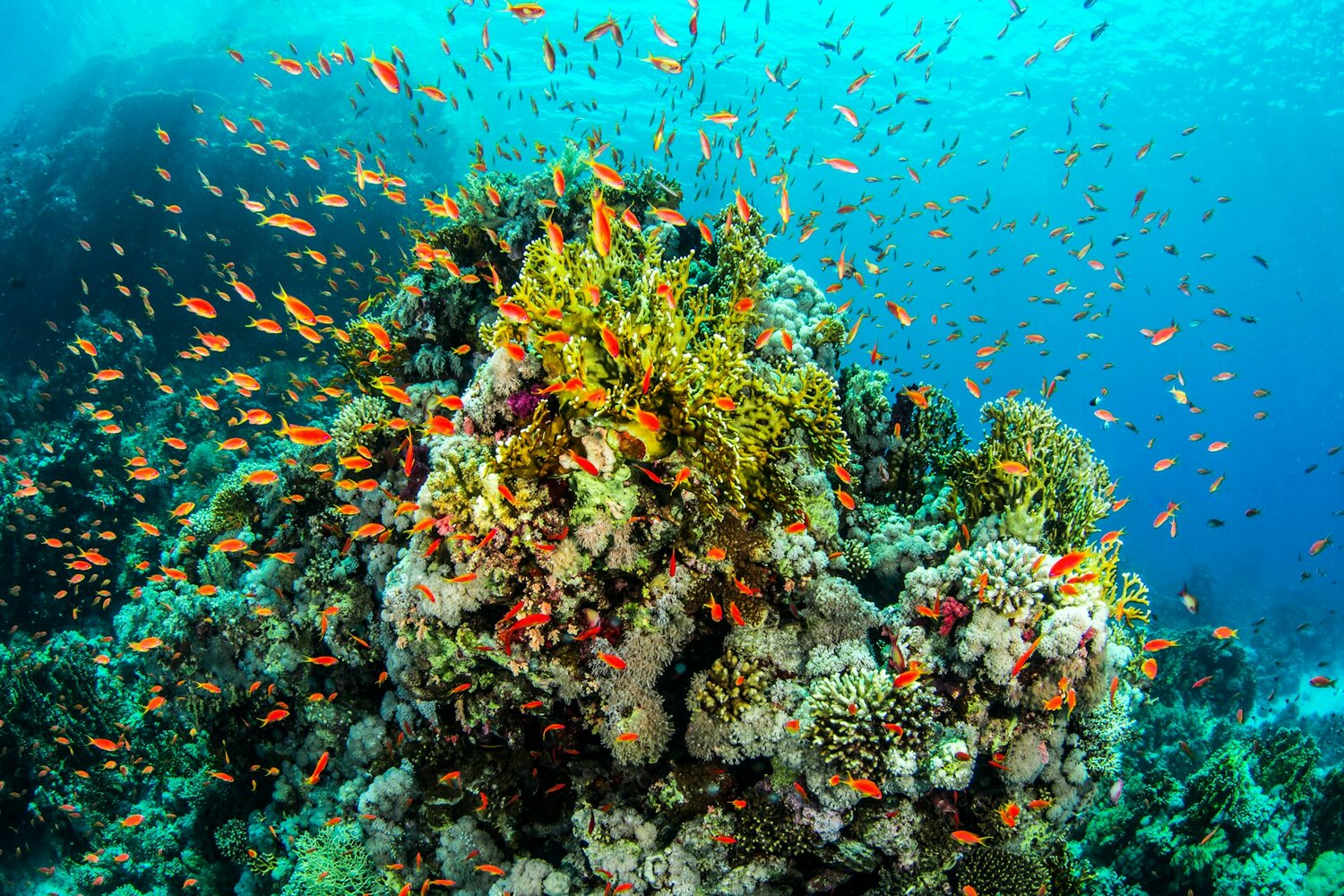
A 14-year study reveals offshore platforms may alter whale shark migration. Conservationists now weigh risks and benefits of artificial reefs

A breakthrough in water desalination reduces costs by 15% using carbon cloth electrodes to remove boron efficiently—no chemicals needed.

Wildfire ash toxicity threatens businesses with health risks and environmental hazards. Proper cleanup and waste disposal are now essential.
Marine microplastics become untraceable after passing through marine organisms, complicating pollution tracking and environmental compliance.
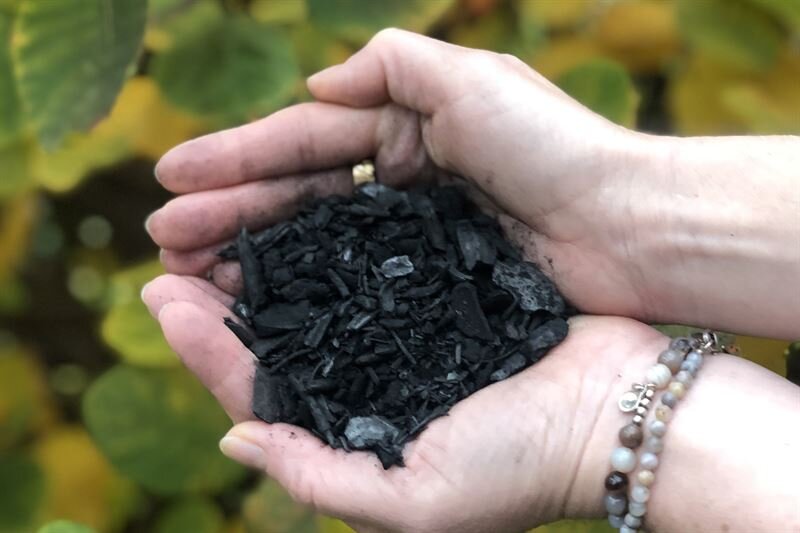
Swedish researchers found that biochar reduces DDT uptake in soil by 50%, making contaminated land safer for agriculture and forestry.
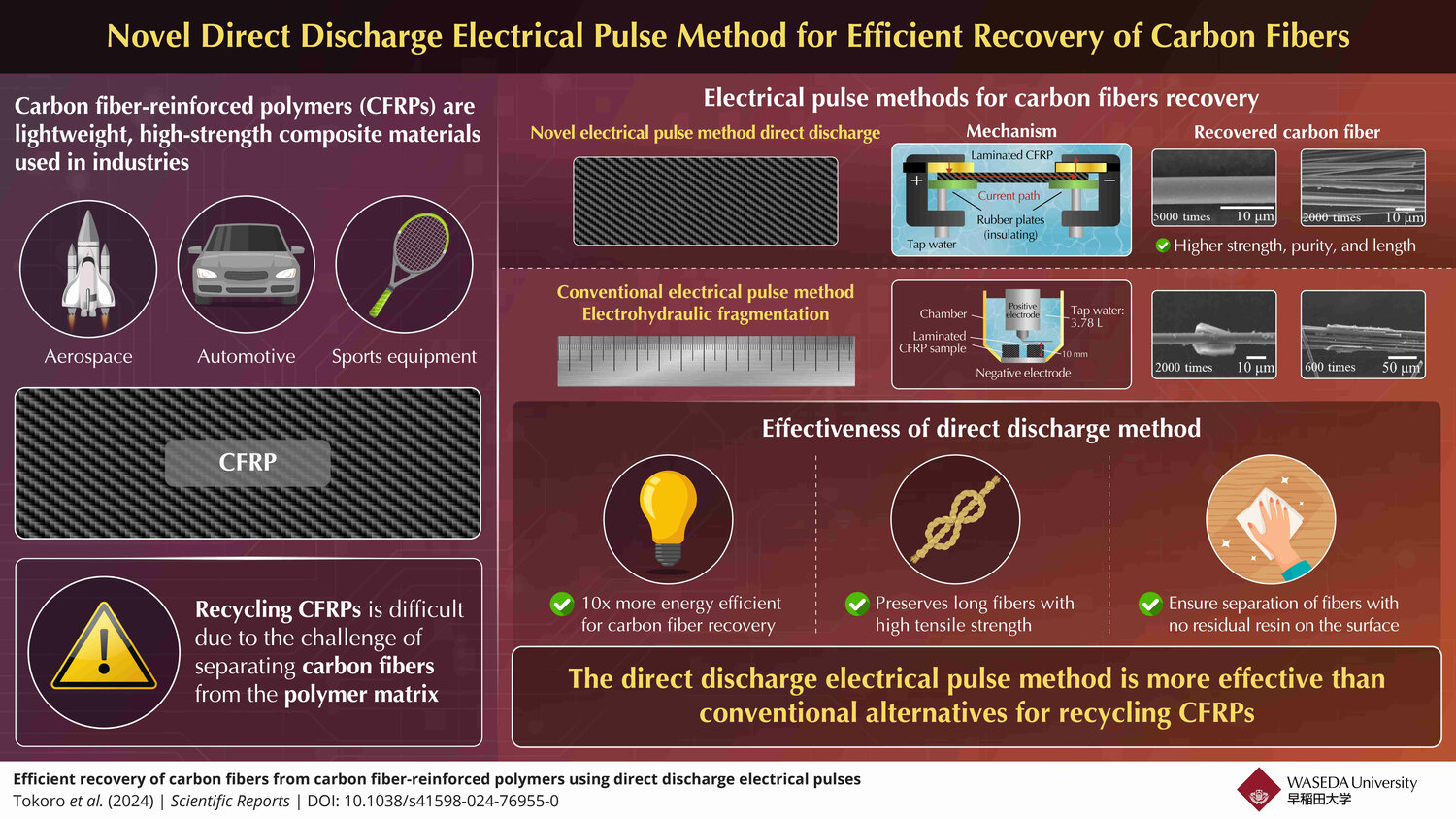
Researchers have unveiled an innovative electrical pulse method, offering a tenfold increase in efficiency for carbon fiber recycling.

A new catalytic process breaks down PET plastics into fuel-ready compounds, offering a sustainable solution for urban waste challenges.

Researchers have developed a graphene-based process for flexible displays, promising lower costs, better performance, and scalable production.
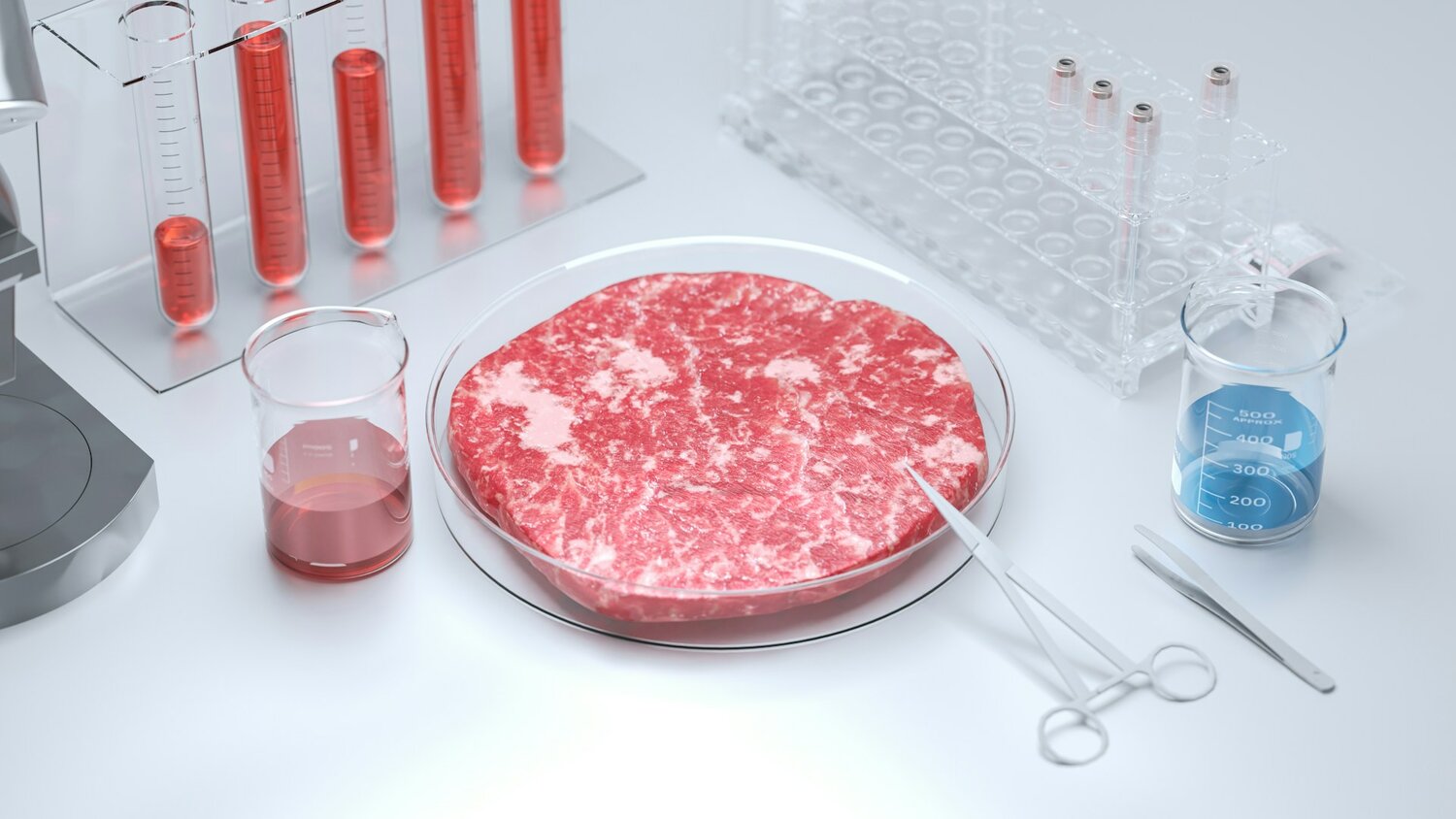
Microplastics are infiltrating human tissues, raising health alarms. A new study links plastic particles to chronic diseases and tissue damage.

Ancient Southern Ocean fossils uncover 500,000 years of ecosystem responses to climate shifts, highlighting risks to modern biodiversity.

With a 29% increase in solar installations projected for 2024, silicon photovoltaics maintain their position as the foundation of renewable energy.

A 35-year study reveals significant shifts in global river flow rates. Climate change and human activity reshape freshwater availability worldwide.

Recent research from the University of Notre Dame has identified fitness trackers and smartwatch bands as unexpected sources of PFAS.

A new study reveals ground shifts under Miami high-rises, urging safer construction practices and better monitoring for long-term stability.