

Cal Poly Pier is now the first DOE-approved open water site under TEAMER, providing critical access to accelerate wave energy technology and marine research.
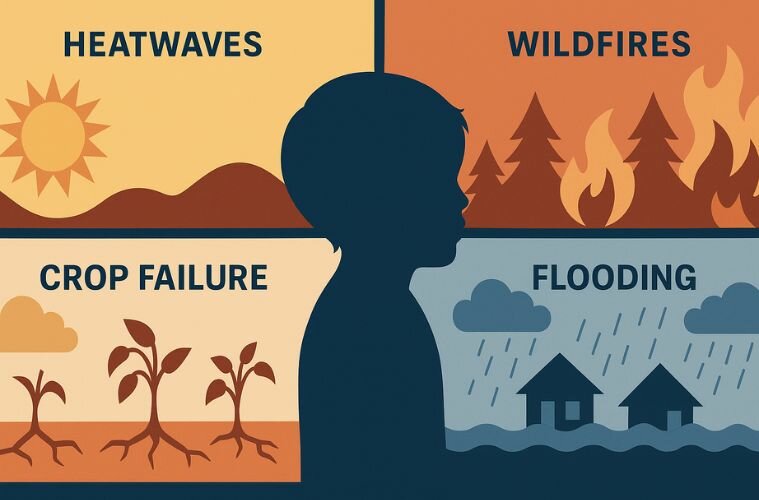
New research warns Generation Alpha faces record lifetime exposure to climate extremes. Business must adapt to intergenerational climate risk now.

Bird populations are dropping fastest where they were once strongest. New data tools reveal the hidden patterns reshaping conservation efforts.

DC microgrids are efficient and scalable—but protection challenges from fast-rising faults and weak standards pose major hurdles to wider deployment.

Breakthrough research reveals the vast spread of microplastics deep beneath the ocean’s surface—thanks to innovative sampling and spectroscopic technologies that are reshaping environmental data collection.
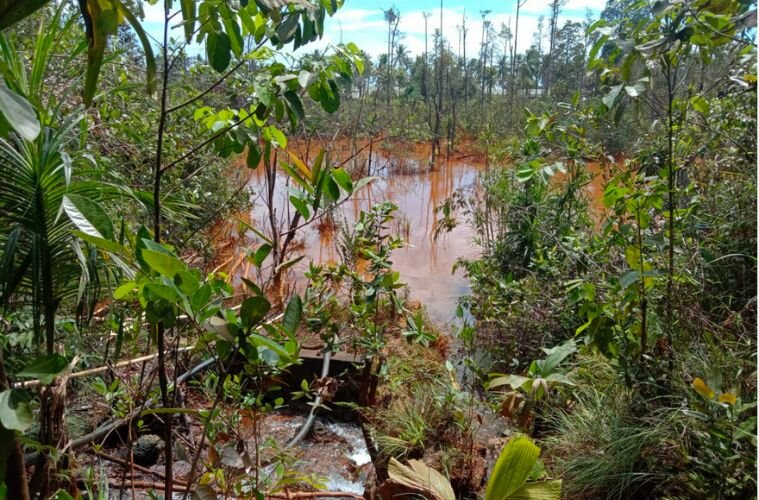
Harita Nickel faces scrutiny as leaked documents reveal decade-long chromium-6 pollution at its Indonesian site supplying EV giants, despite public denials.

A newly introduced bill in Rhode Island aims to ban products with intentionally added microplastics by 2029 while advancing state-led testing and strategy to address environmental and health risks.

A new study finds metal levels in Adirondack lakes have dropped by 90%. Researchers credit long-term environmental policy for the rebound.

Scientists have developed a system that captures CO₂ and harvests energy simultaneously using ionic liquids, opening new pathways for sustainable industrial emissions management.
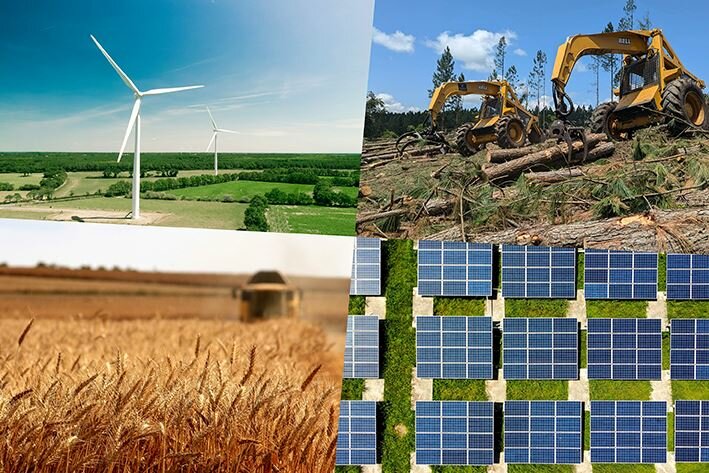
New research warns that sidelining biomass could cost Europe €169B annually and derail climate goals, highlighting its critical role in clean energy plans.
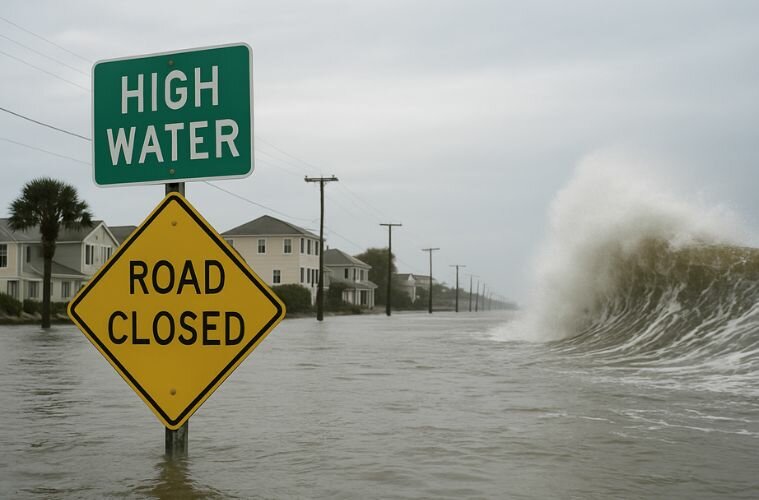
Bipartisan lawmakers introduce the Resilient Coasts and Estuaries Act of 2025 to strengthen coastal resilience, protect ecosystems, and mitigate climate change impacts.

Canada ranks 8th for air quality among OECD nations, with standout PM2.5 results. The report shows room to improve on ozone and NOx levels.

Grist reports on a study showing that exposure to high temperatures adds up to 14 months to older adults' cellular age.

Global sustainability and energy management software market to reach $2.82B by 2029 as companies embrace cloud-based platforms, IoT integration, and ESG compliance solutions amid shifting Trump's shifting climate agenda.

A new workflow enables soil-based testing of biodegradable plastics, supporting agriculture, packaging, waste, and materials industries with real-world data.
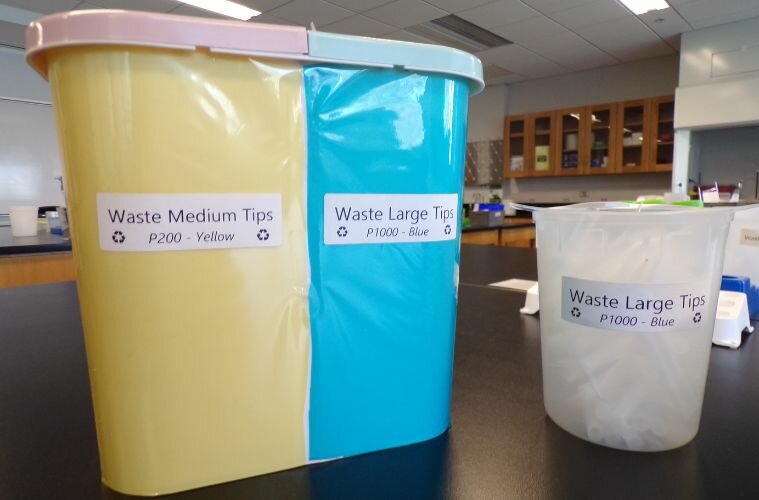
Georgia Tech is transforming its labs with the My Green Lab certification, cutting energy and waste while boosting sustainability in academic research.

Updated emissions data and a publicly available tool challenge assumptions about mass timber’s carbon neutrality, guiding more informed material choices.
Changes to the landscape and pollution have harmed this vital ecosystem known as the ‘river of grass.’

Since our relaunch, engagement has surged — and we’re opening new ways for industry leaders to share insights, build visibility, and get involved.
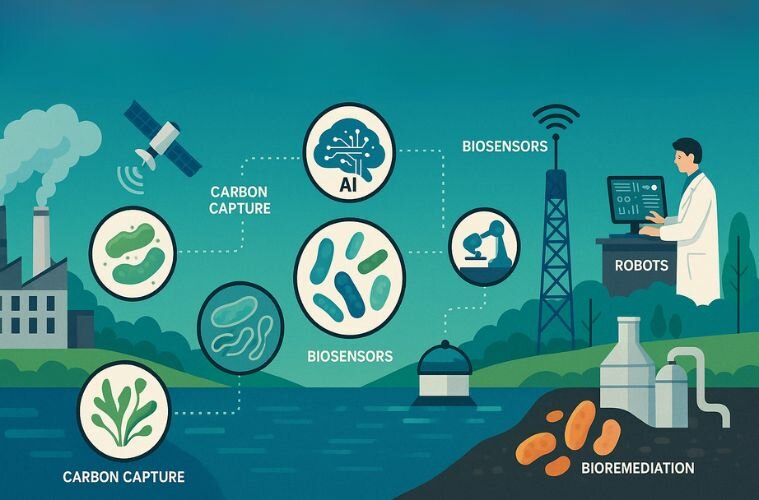
Engineering biology is combining with AI and IoT to deliver scalable, real-time solutions for pollution, climate resilience, and sustainable manufacturing.