
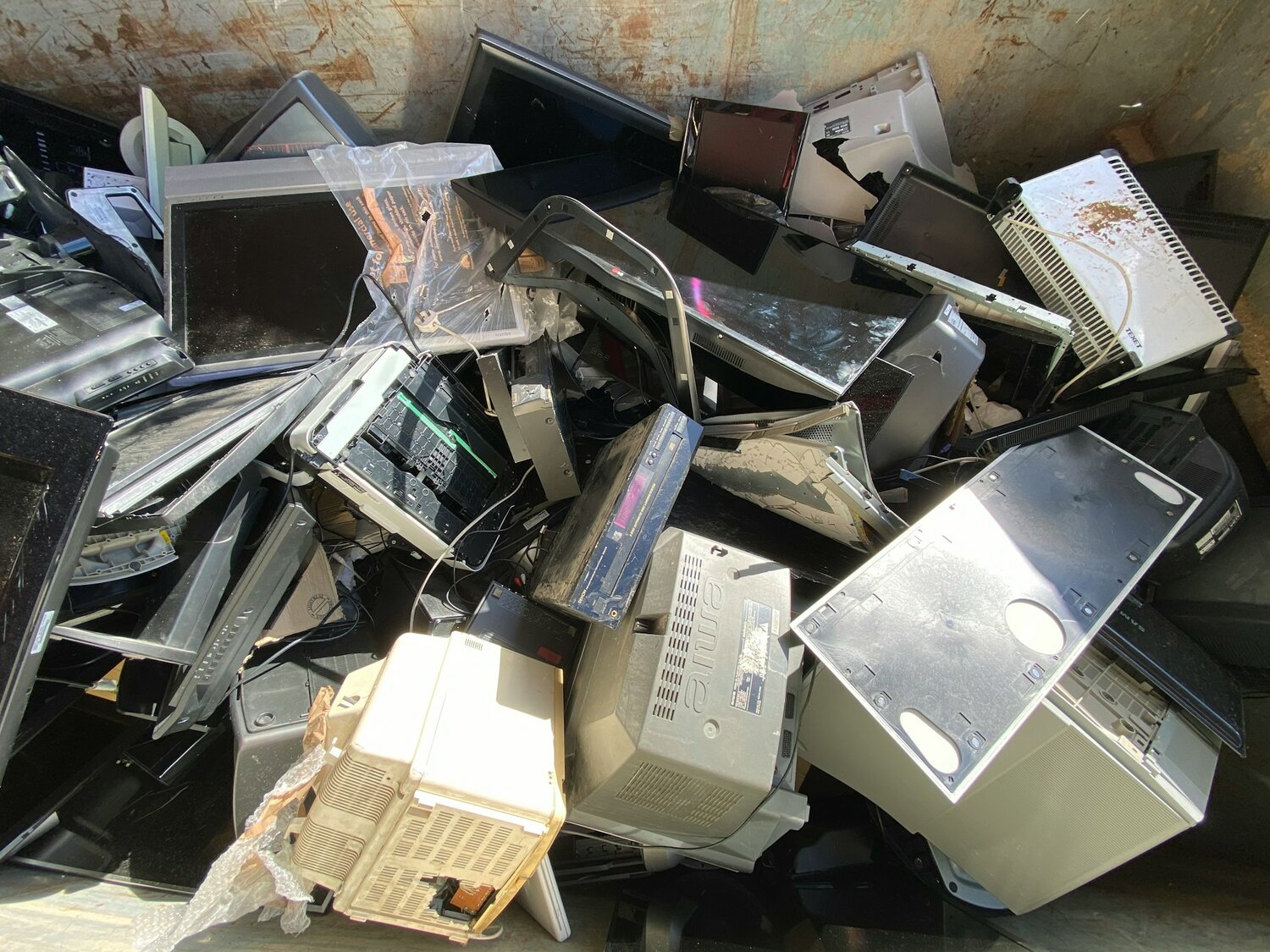
U.S. scientists are turning e-waste into a local source of rare earths. The tech uses less energy and fits into existing systems.
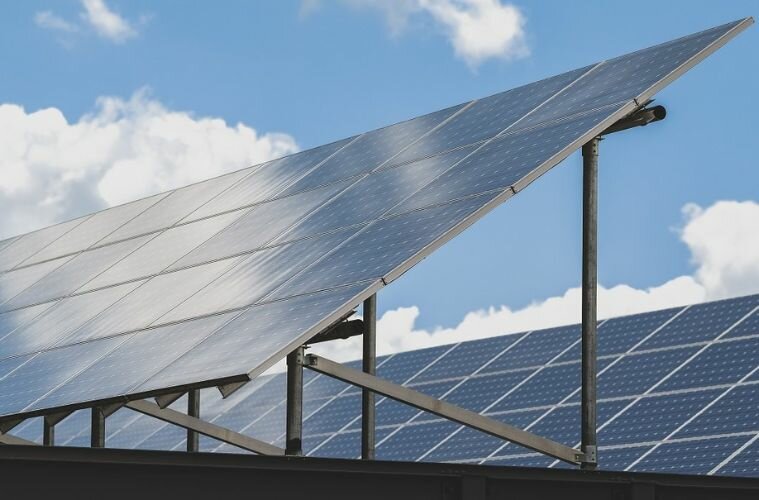
Virginia Tech advances its Climate Action Commitment with a 2.1 MW solar project, reducing emissions and expanding renewable energy education for students.
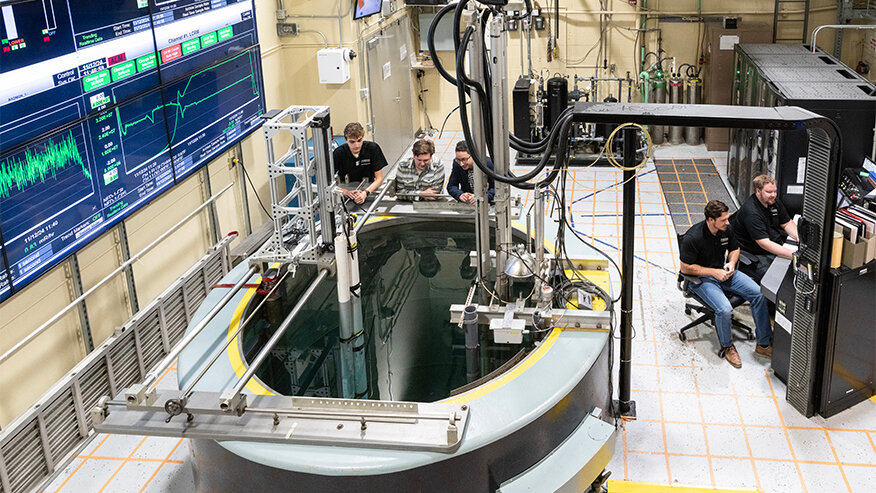
In Indiana, a small research reactor is rewriting nuclear’s future. With AI and digital tools, it's setting a new bar for innovation.
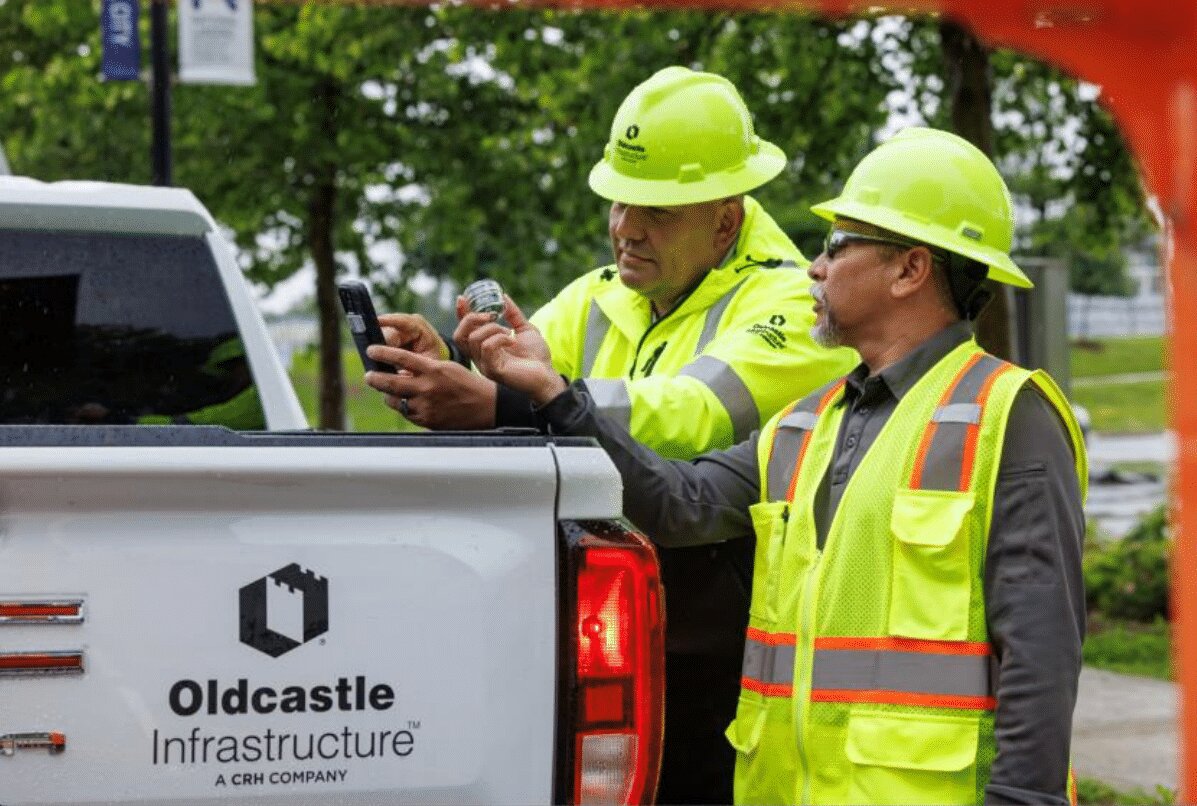
Water loss costs U.S. municipalities $8B a year. See how CivilSense™ uses AI to identify leaks and protect drinking water in communities like Bartow County, GA.
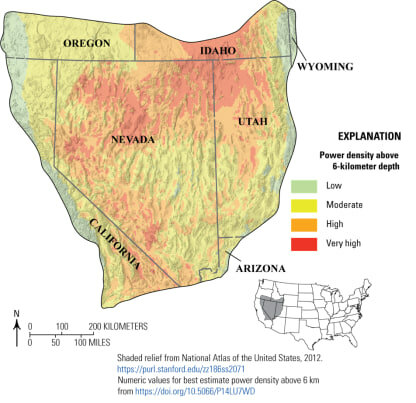
A new USGS study shows the Great Basin could power 10% of the U.S. with geothermal. The catch? Scaling up enhanced drilling tech.

Scaling up carbon removal won’t cut its impact. A new study finds afforestation and ocean-based methods stay effective at larger scales.

A new study reveals how cross-laminated timber (CLT) can play a dual role in reducing greenhouse gas emissions while reshaping forest management—though not without trade-offs for natural forests.

Wildfires are reshaping the carbon market. Forest offsets once seen as safe bets now risk becoming massive carbon sources overnight.

Microplastics are turning up in Brazil's off-limits ocean zones. Protected status isn't enough to block pollution carried by wind and sea.

Greenwashing threatens the integrity of sustainable finance. Key risks in the sustainable bond market, regulatory frameworks tackling misleading claims, and measures to ensure transparency and investor trust.

Deforestation is now a financial risk. New tools give investors sharper insight into forest-linked exposure and corporate accountability.
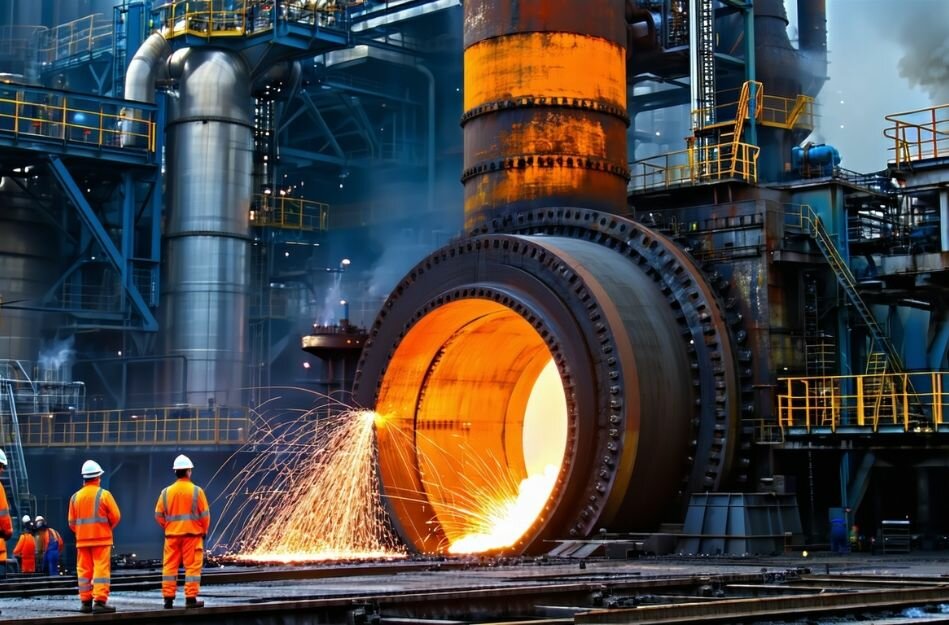
The steel industry’s decarbonization efforts are lagging, with persistent coal-based production threatening 2030 climate targets despite gains in electric arc furnace adoption.
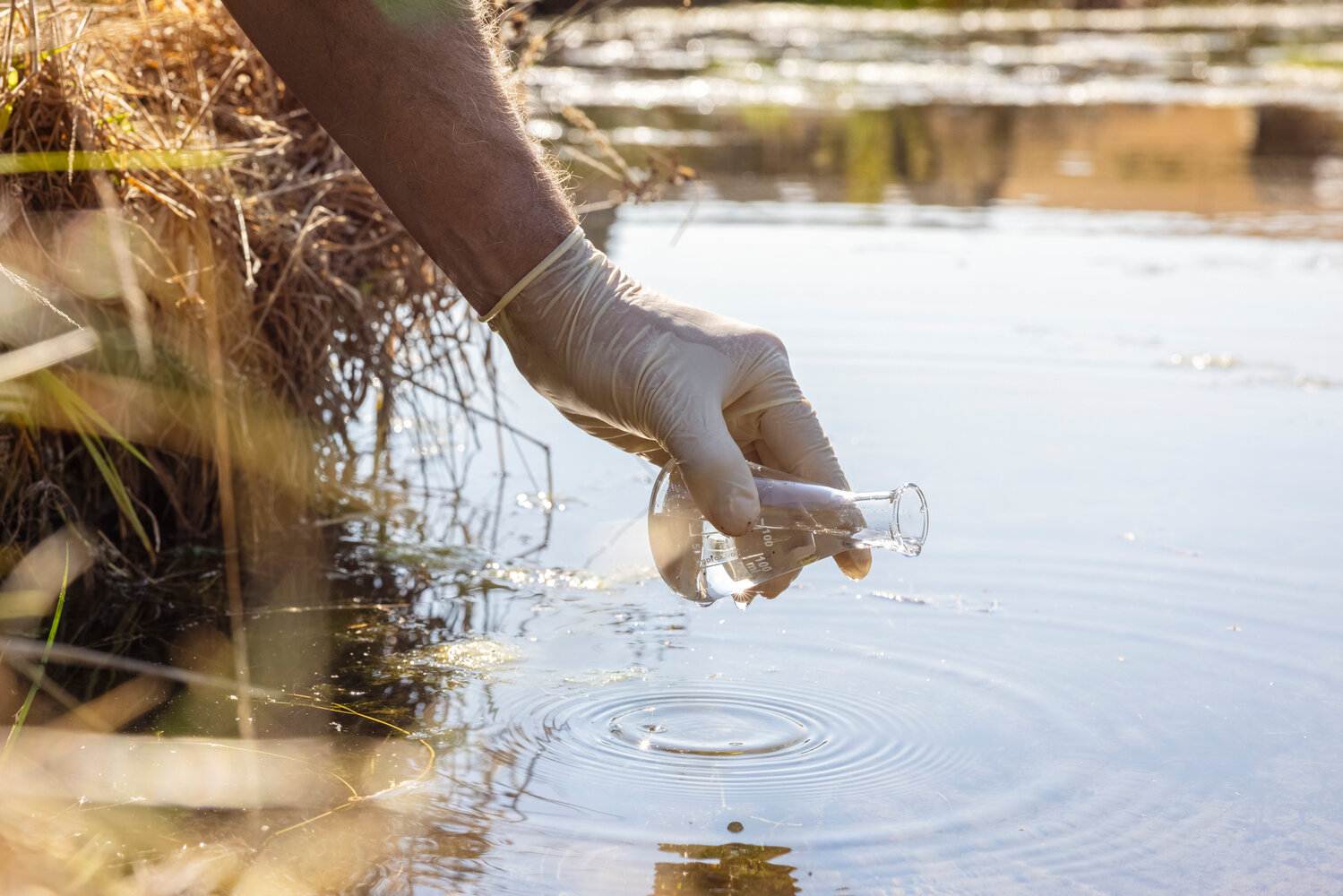
Antibiotics from human use are polluting rivers worldwide, raising health risks and forcing industry to rethink water management.
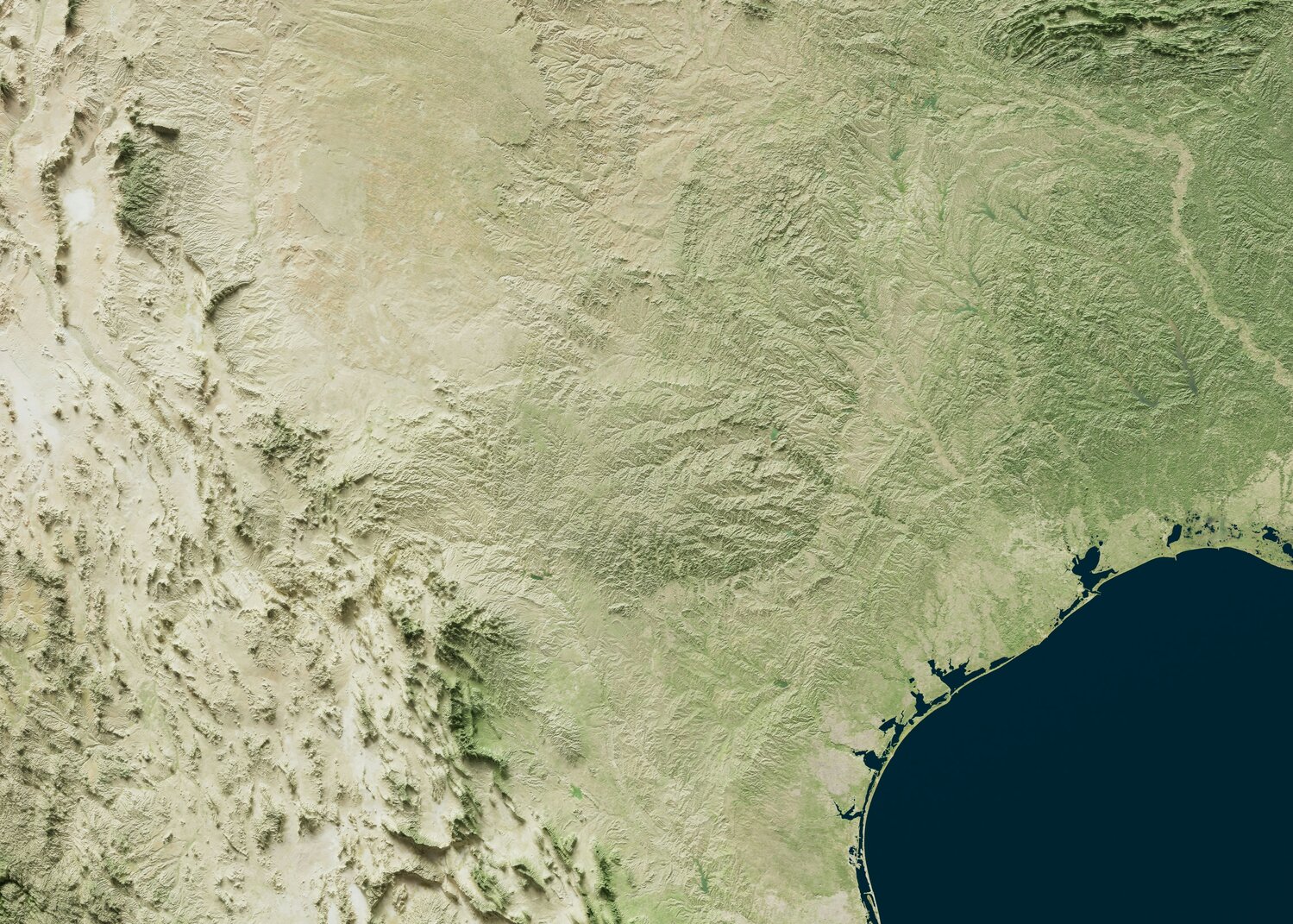
Texas bay sediments hold surprisingly few microplastics. But that means more are drifting into the Gulf, where long-term risks stack up.
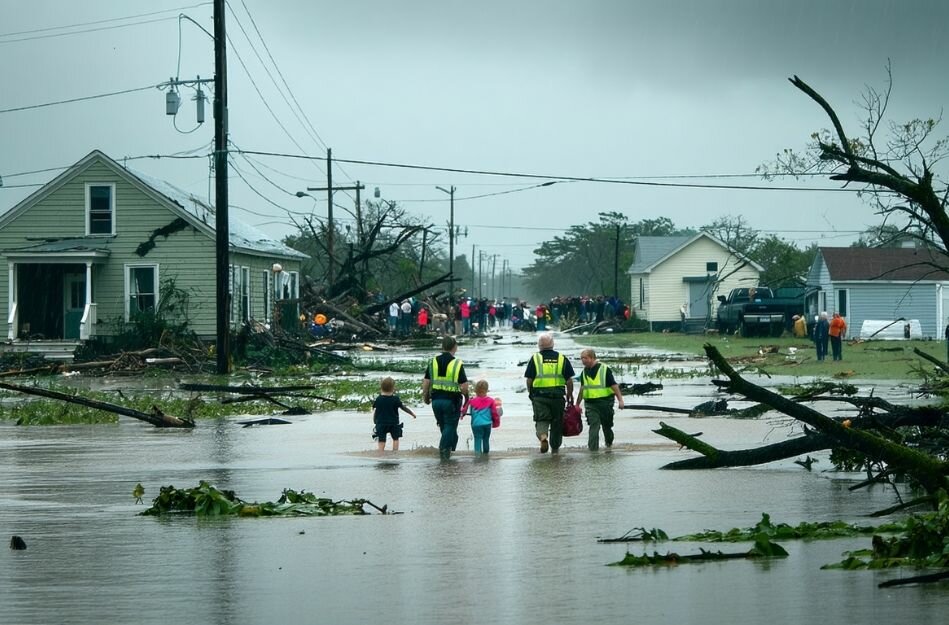
Climate extremes—including hurricanes, floods, and wildfires—are fueling mass displacement across the Americas. Governments must act swiftly to implement long-term solutions for resilience and recovery.
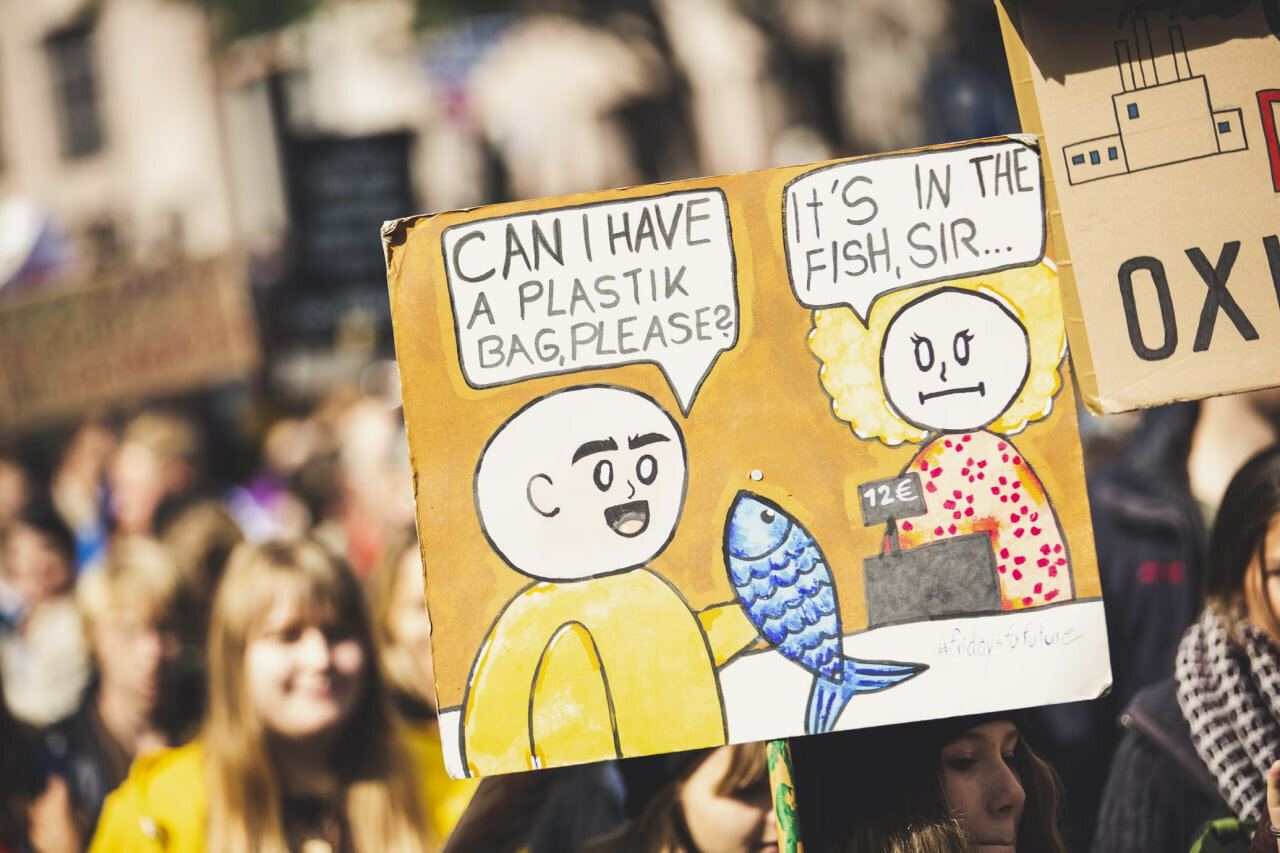
Synthetic chemicals in food are linked to serious health risks. Businesses that don’t adapt may face consumer backlash and new regulations.
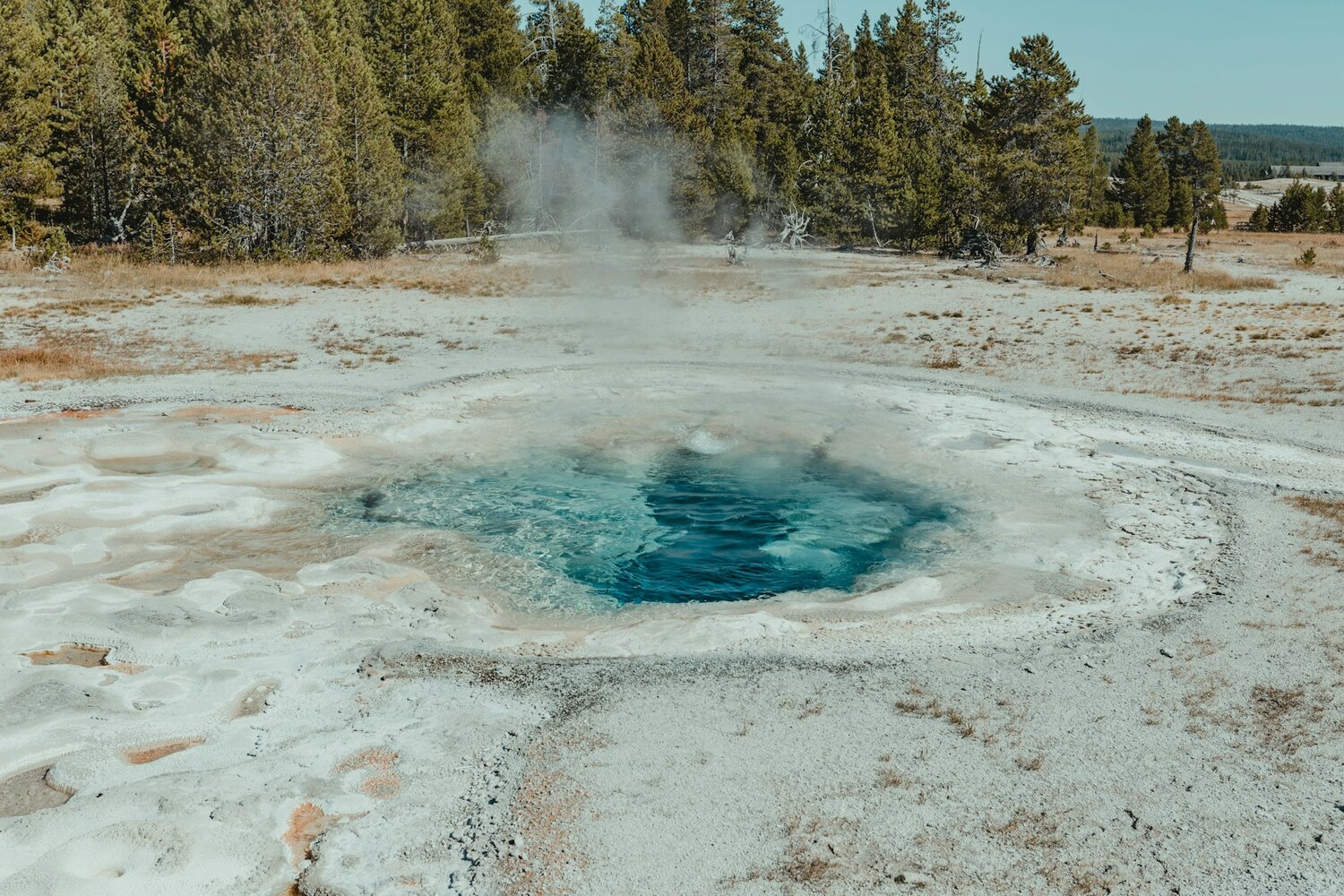
A mile underground, scientists are testing geothermal tech built to last. The goal: reliable, scalable power for energy-hungry industries.
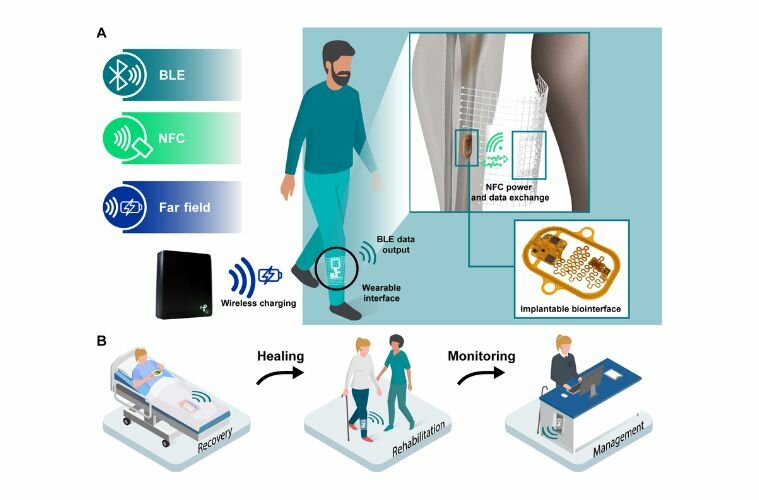
A new battery-free implant system offers continuous patient monitoring while eliminating toxic waste, advancing sustainability and healthcare innovation.
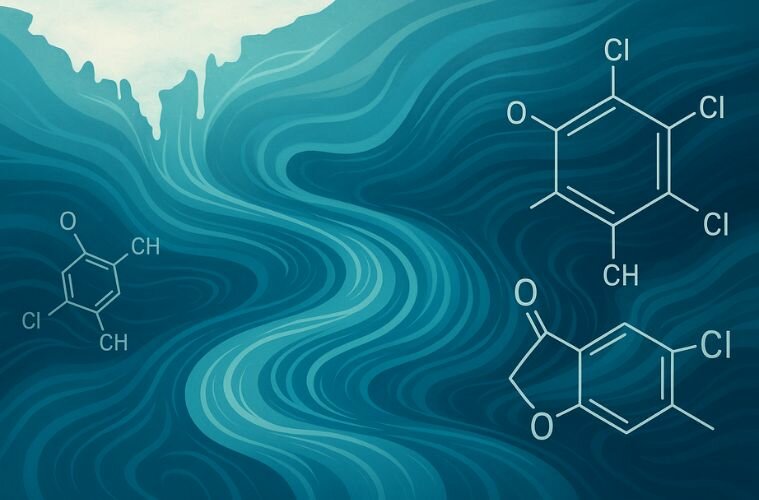
New research reveals how climate change alters persistent organic pollutant dynamics in global oceans, threatening marine ecosystems and food webs.
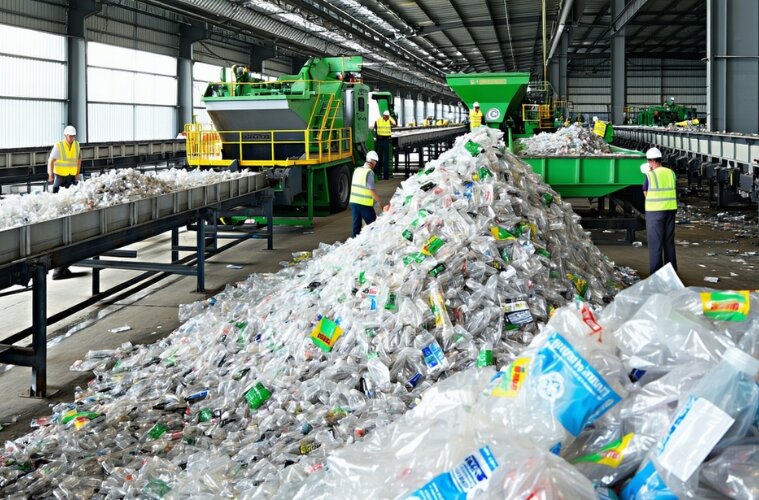
The UK faces a 2027 deadline to mandate curbside plastic film recycling. Explore infrastructure gaps, policy hurdles, and WRAP’s roadmap to scale recycling efforts.