
UK Expands Carbon Credit Trading to Strengthen Green Finance and Business Investment

California launches a faster permitting process for wildfire safety projects, building on billions in investments and expanding environmental safeguards.
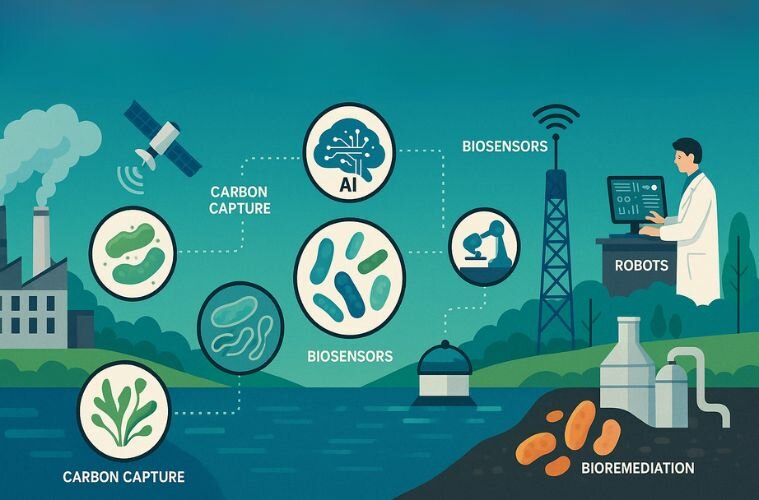
Engineering biology is combining with AI and IoT to deliver scalable, real-time solutions for pollution, climate resilience, and sustainable manufacturing.

New research suggests common starch-based bioplastics may cause insulin resistance and liver damage—raising urgent questions about their safety in food packaging.
Washington mandates PFAS testing in biosolids starting 2027, with final reporting due 2029, advancing public health protections and data-driven regulation.
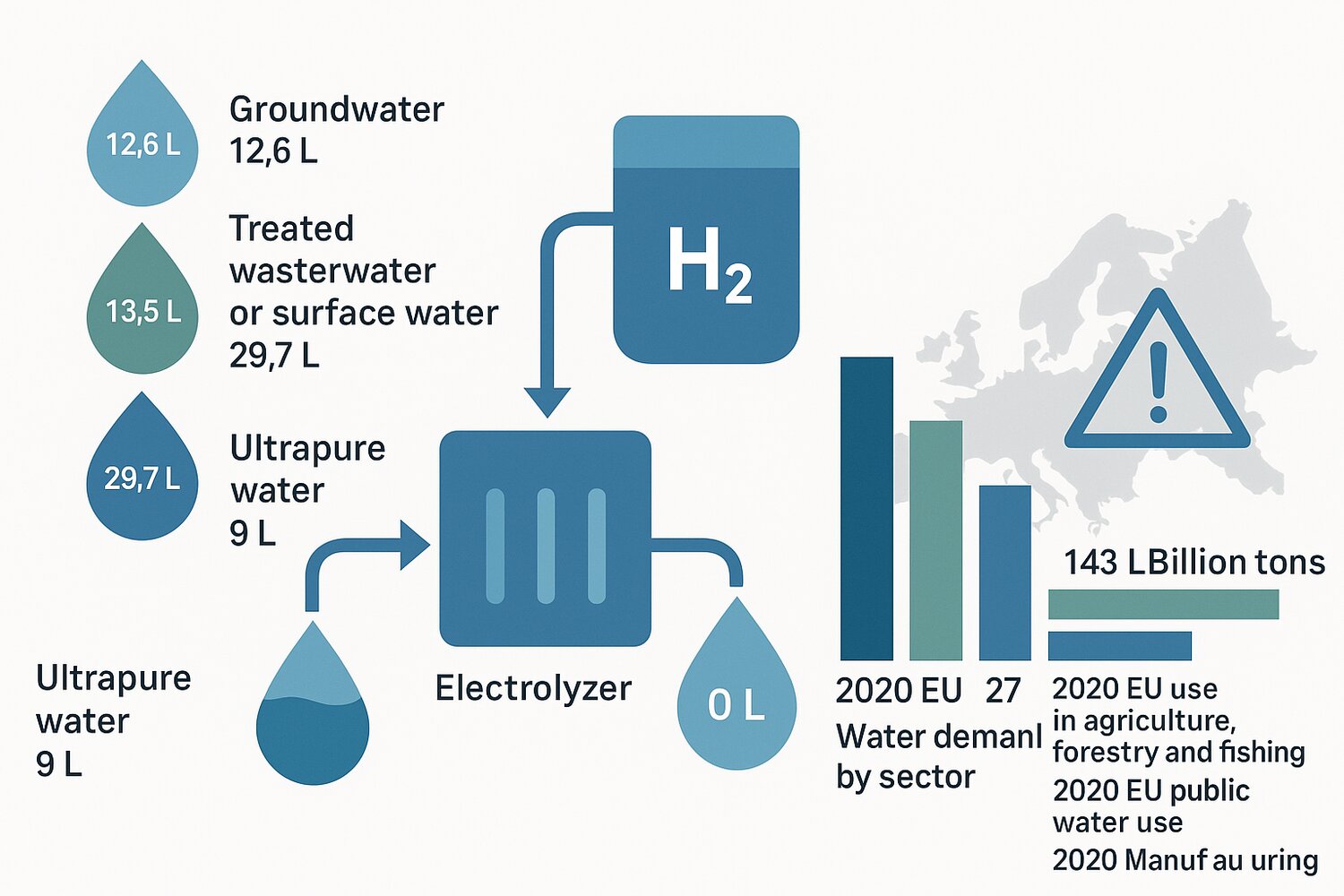
Hydrogen’s water use is minimal compared to other fuels, but permitting delays and regional water access challenges could slow green hydrogen development.

As federal energy policy pivots toward coal, companies face new hurdles balancing sustainability goals, stakeholder expectations, and compliance.
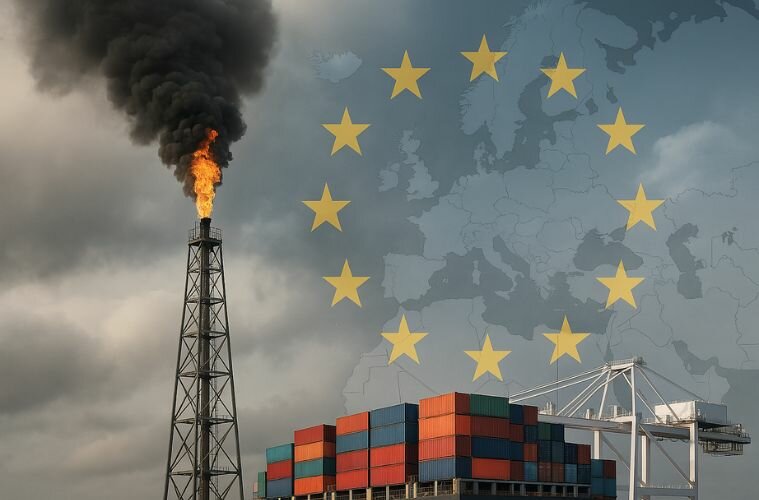
As reporting deadlines hit, the EU’s methane rule is shifting from policy to pressure point—forcing global energy suppliers to prove compliance or risk exclusion.

Data centers are fueling AI, CleanTech, and more—but rising energy use and grid strain raise urgent questions about their future sustainability and resilience.

Is the EU striking the right balance between industrial support and climate accountability by delaying new ESG reporting mandates?
The Ohio officially launches March 29, 2025, and will be available at Gabriela Hearst’s flagship stores in New York, Beverly Hills, London, and Tokyo, as well as online.

Tidewater expands its Delaware footprint with $4.6M acquisition of Ocean View’s water system, promising steady rates and improved customer services.
The European Commission’s investigation exposes a long-standing scheme that subverted end-of-life vehicle (ELV) rules, suppressed transparency, and undermined circular economy progress.

A carbon dioxide pipeline company has asked courts to pause or dismiss its pending legal fights against landowners and a state regulator in South Dakota.

This initiative enables companies to apply for presidential exemptions under the Clean Air Act by submitting requests via a designated email system.

Hultberg acknowledged training and safety efforts by the department but said progress in key areas has been slow and uneven across the agency and that more needs to be done.

Optty and Ekko are making sustainable payments easier by integrating carbon tracking and micro-donations directly into everyday transactions worldwide.

Companies operating in New York must prepare for new compliance frameworks, fee structures, and material sourcing requirements aimed at reducing waste and safeguarding public health.

WMO’s 2024 climate report shows record global temperatures, rising sea levels, and surging emissions, signaling mounting risks to ecosystems and economies.
SBTi’s Version 2.0 draft shifts corporate climate strategy from promises to progress, with stricter targets and enhanced validation.