

Repeated emergency waivers are no longer disappearing. They’re creating durable records that shape compliance exposure long before enforcement begins.

Scope 3 reporting is no longer just transparency. Verification and cross-border requirements are transforming disclosures into compliance exposure.

Permitting and compliance uncertainty are emerging as decisive factors in capital allocation across energy and infrastructure.

The Aircraft Drinking Water Rule sets clear standards—but new data shows uneven compliance across U.S. airlines.

Misaligned environmental and sustainability reporting is becoming an early enforcement signal under U.S. environmental law.

Enforcement in 2025 moved faster and more strategically, exposing gaps in compliance models built for slower regulatory cycles.

Black Moon Energy is launching a lunar mission to assess Helium-3 as a fusion fuel. The goal: build a supply chain that links the Moon to Earth's energy grid.

Ammonia is gaining ground as a clean fuel, but scaling it cleanly isn’t simple. A new MIT study reveals how cost, tech, and geography shape its future.

As infrastructure, energy, and regulatory limits tighten, operational challenges are increasingly translating into legal, financial, and governance exposure in 2026.

Early operational stress in 2026 is exposing where strategy runs into infrastructure, energy, and regulatory limits—well before financial results reflect the risk.

A new alliance aims to unify methane monitoring from orphaned wells to active sites. The goal: consistent, auditable data across environmental and industry use.

An Oregon lawsuit over nitrate contamination is drawing attention to how industrial wastewater partnerships can create direct legal and compliance exposure.

Research highlights how indoor air risks tied to human activity often bypass formal regulation, leaving organizations to manage exposure internally.

State bills like Virginia’s HB 277 streamline wireless infrastructure approvals—but omit health concerns. Here’s why federal law keeps RF exposure out of state legislation.

Infrastructure limits, regulatory pressure, and legal exposure are surfacing faster than planning cycles can adapt—forcing earlier decisions and shrinking strategic flexibility in 2026.
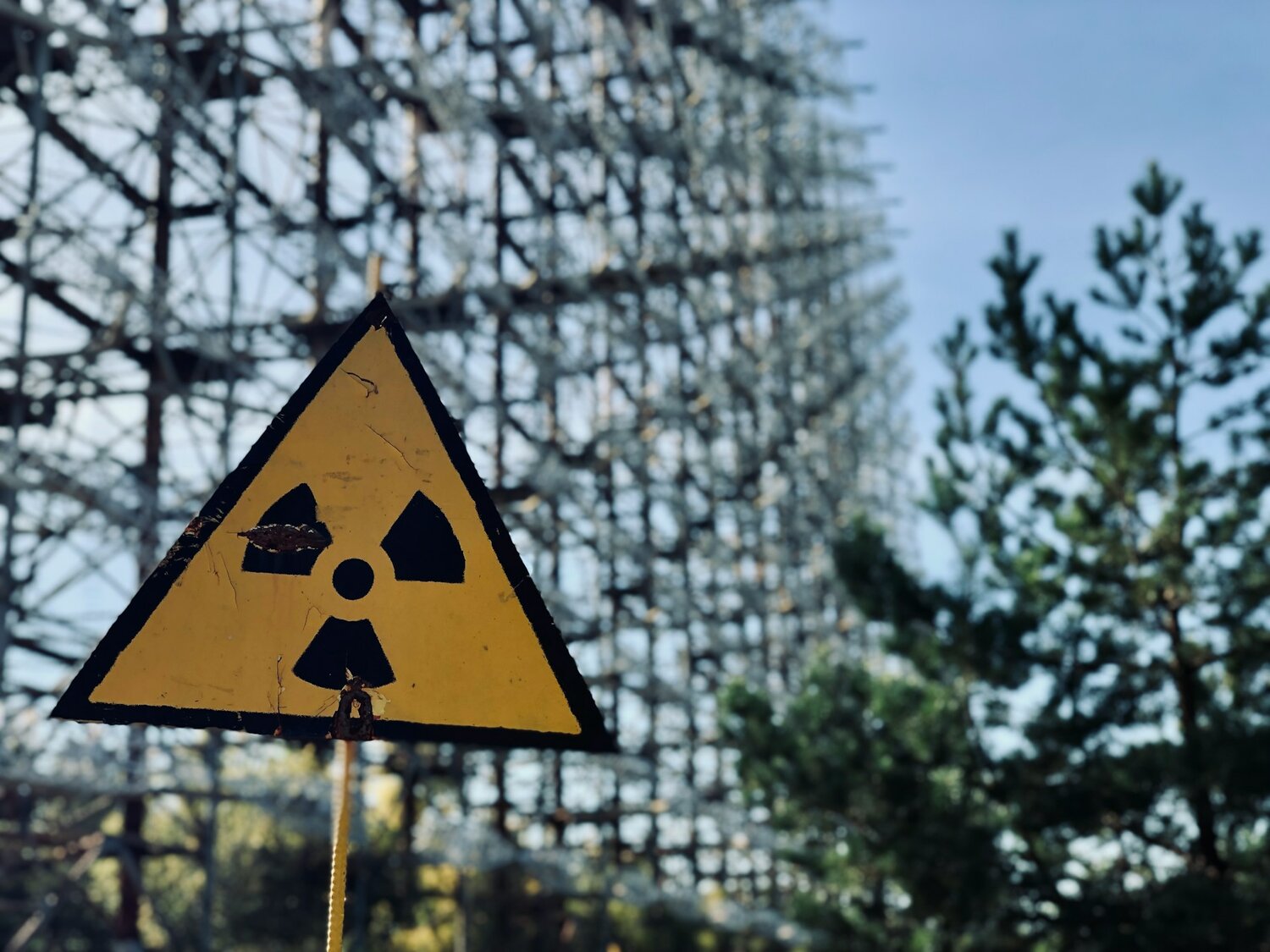
Security guards at Plant Vogtle have filed for a union decert vote. The outcome could reshape how labor representation works at high-security facilities.

The Building Engineering Services Association has suspended five members for failing competence audits, signaling tougher enforcement aligned with the UK Building Safety Act.

AI-driven models improve urban air pollution forecasts, raising questions about how quickly cities and operators can act.

Early 2026 operational stress is emerging before organizations can adjust. Why Q1 strain narrows options and reshapes enterprise risk faster than year-end misses.

Shifting focus from long-term targets to immediate climate impacts, highlighting infrastructure strain, energy costs, and public health risks.