
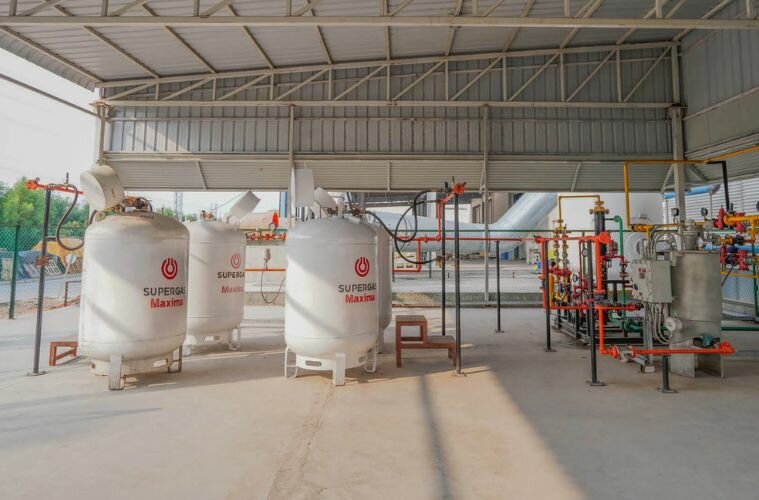
As the specialty chemicals market nears $900B, Micron Aerosols modernizes with LPG to meet rising sustainability and efficiency demands. Learn how Supergas supports safe, scalable energy transformation.

Paine Schwartz Partners embeds sustainability in food system investments, aligning financial returns with measurable environmental and social impact.
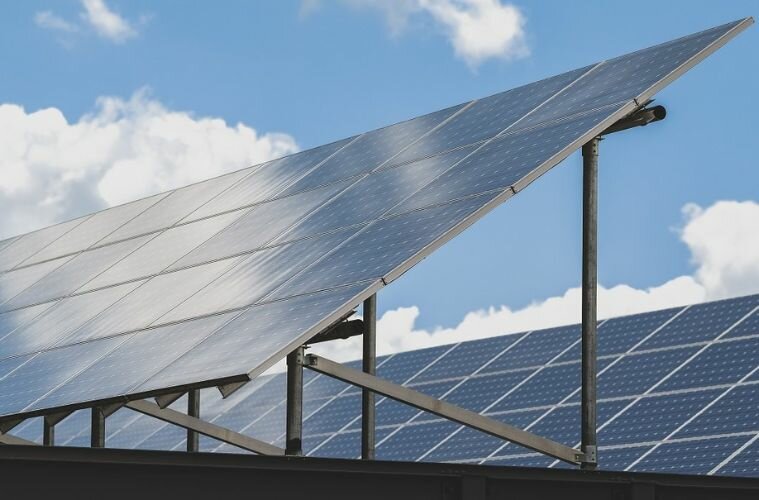
Virginia Tech advances its Climate Action Commitment with a 2.1 MW solar project, reducing emissions and expanding renewable energy education for students.
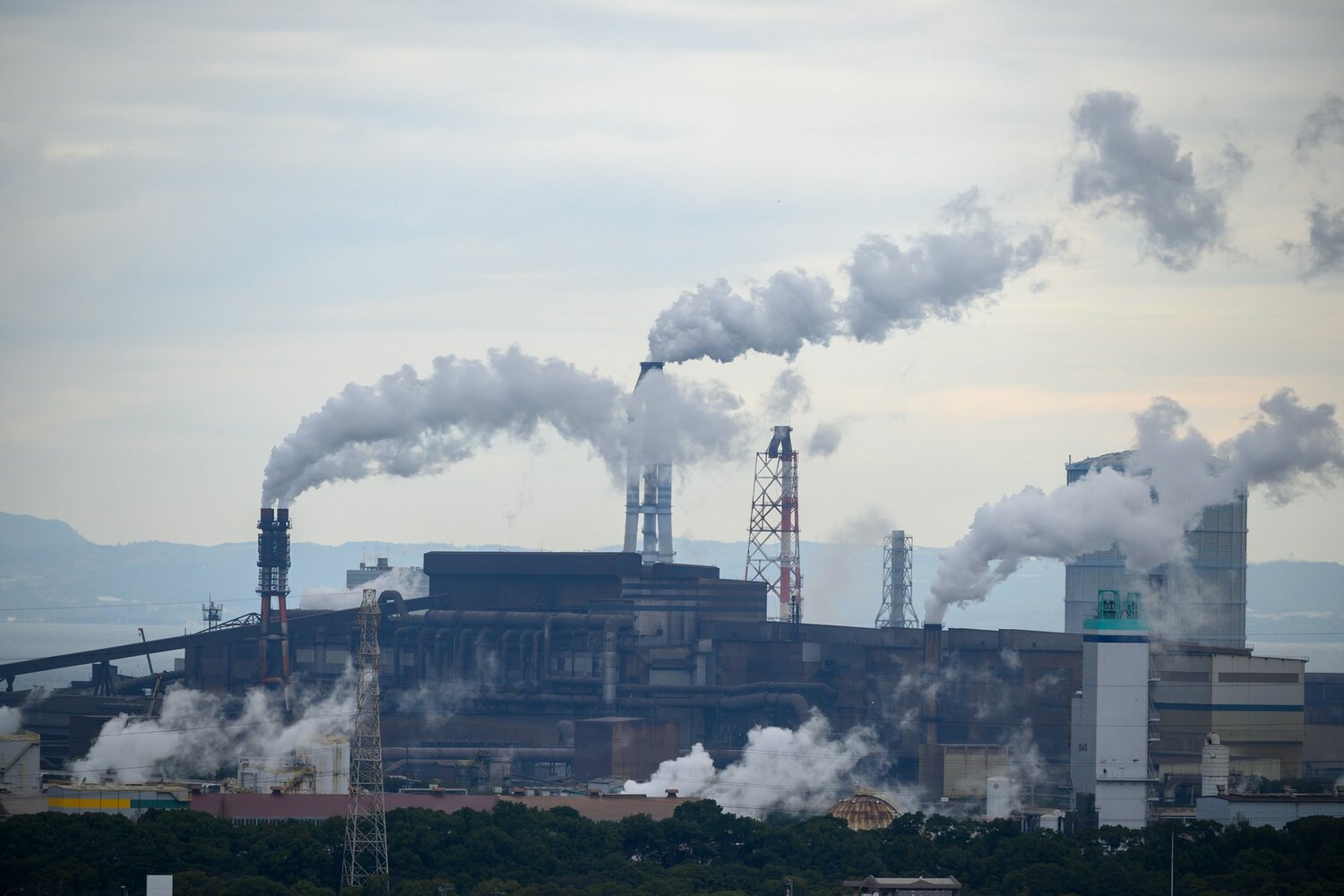
Air and water pollution are driving up compliance costs in key states. Businesses face mounting risks that impact quality and operations.
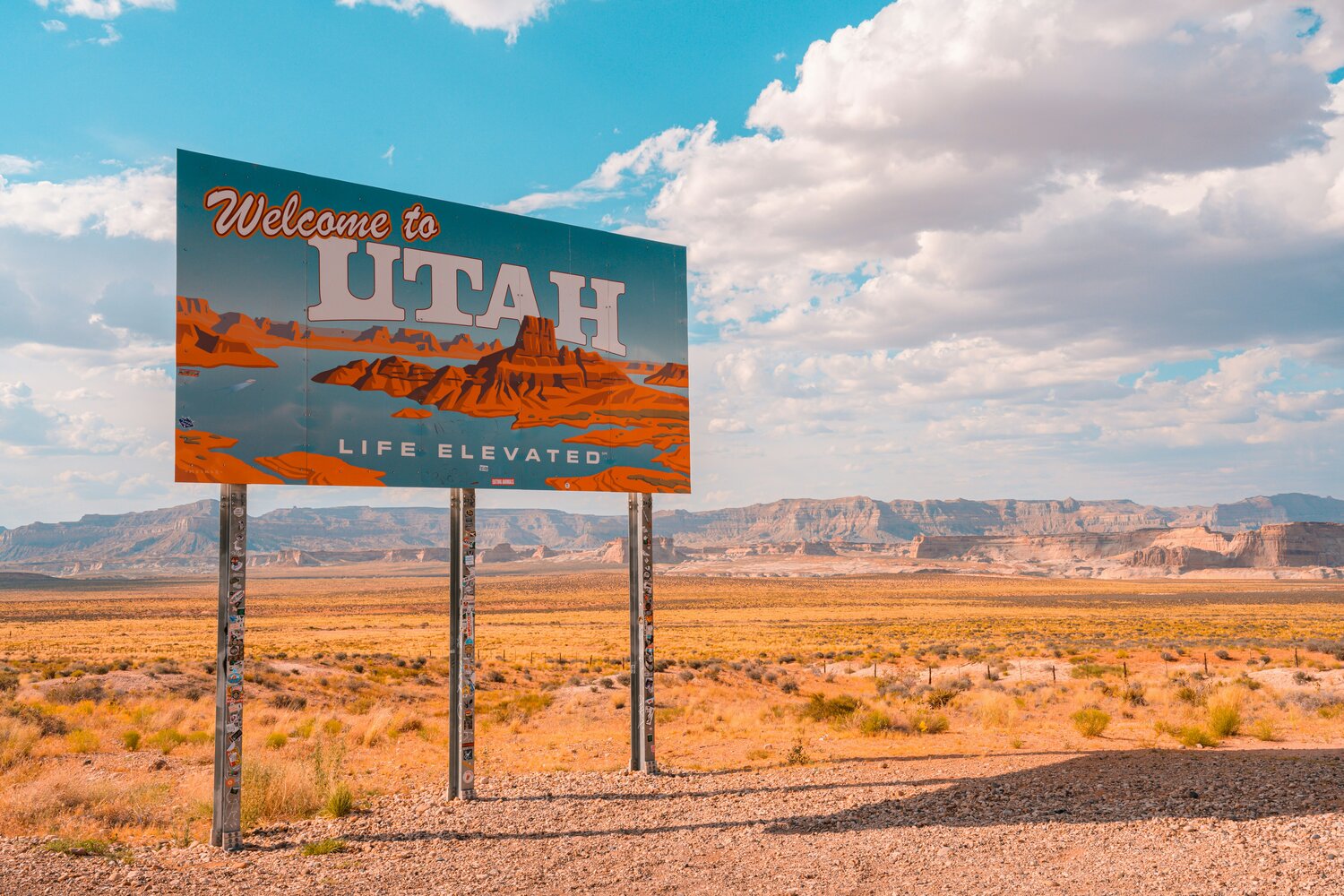
A uranium project by Anfield Energy becomes the first approved under Trump’s national energy emergency order, bypassing public input and fast-tracking permitting. Critics raise environmental and tribal concerns.

The gaming tech company has achieved ISO 14064-1 certification, enhancing carbon footprint transparency and reinforcing its commitment to corporate sustainability.

With climate disasters rising, North Carolina’s new law invests $1B in infrastructure and recovery. Can it create a scalable model for resilience?
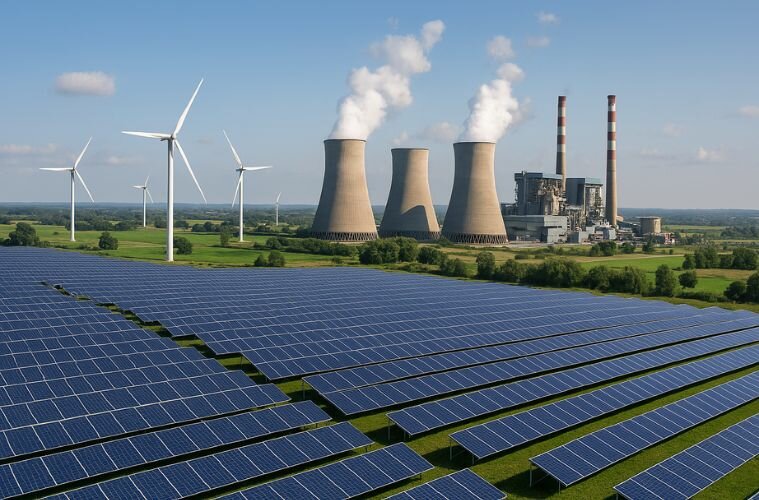
China has become the world’s first "electrostate," shifting from fossil fuels to a fully electrified economy powered by solar, wind, and battery storage. Yet, its continued coal expansion highlights the challenges of balancing growth with decarbonization.
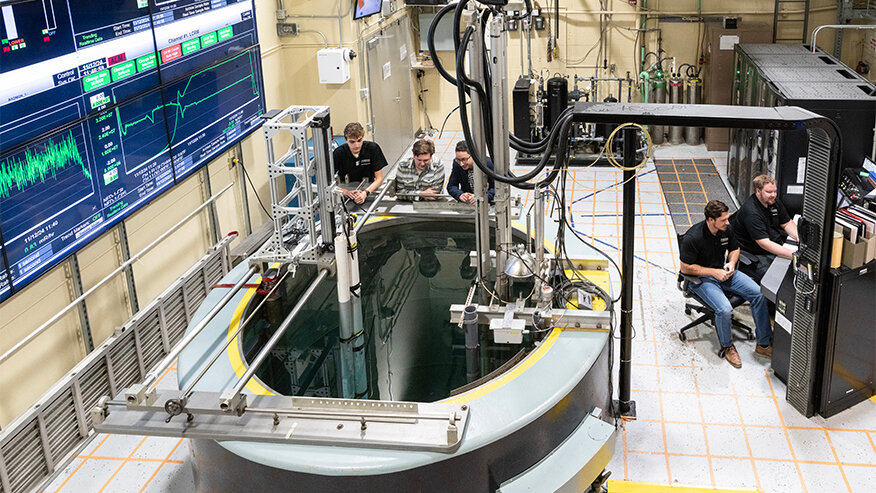
In Indiana, a small research reactor is rewriting nuclear’s future. With AI and digital tools, it's setting a new bar for innovation.

A new DAC project could help reshape the carbon market’s tech future. With validation underway, credits may arrive as soon as summer 2025.
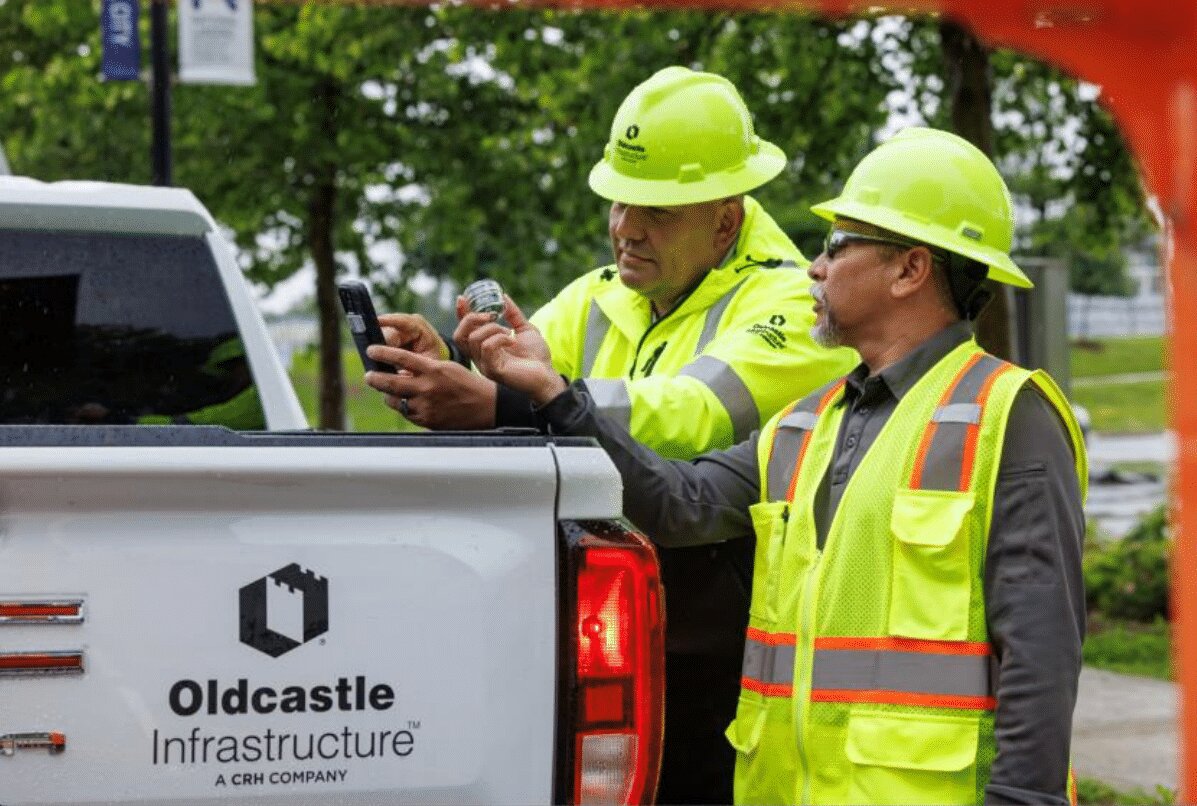
Water loss costs U.S. municipalities $8B a year. See how CivilSense™ uses AI to identify leaks and protect drinking water in communities like Bartow County, GA.

A new USGS study shows the Great Basin could power 10% of the U.S. with geothermal. The catch? Scaling up enhanced drilling tech.

Scaling up carbon removal won’t cut its impact. A new study finds afforestation and ocean-based methods stay effective at larger scales.
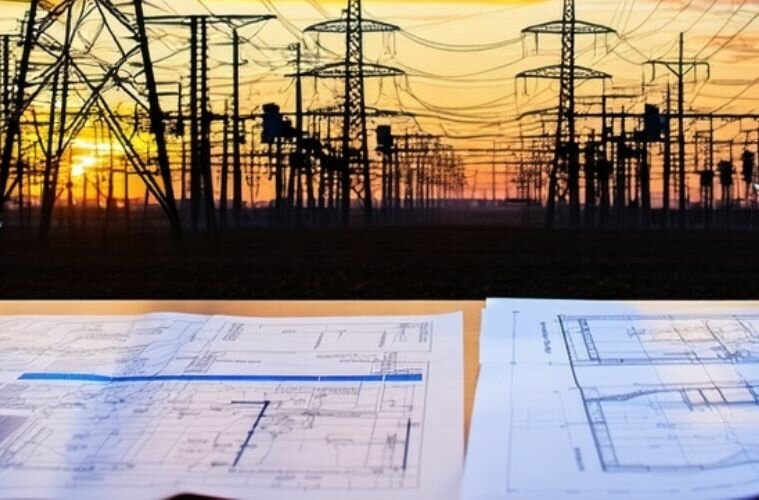
Texas Senate Bill No. 75 reinforces the state’s electric grid by establishing expert oversight and rigorous simulations to set new resilience standards that safeguard healthcare, water, communications, and transportation, ensuring public safety and economic stability.
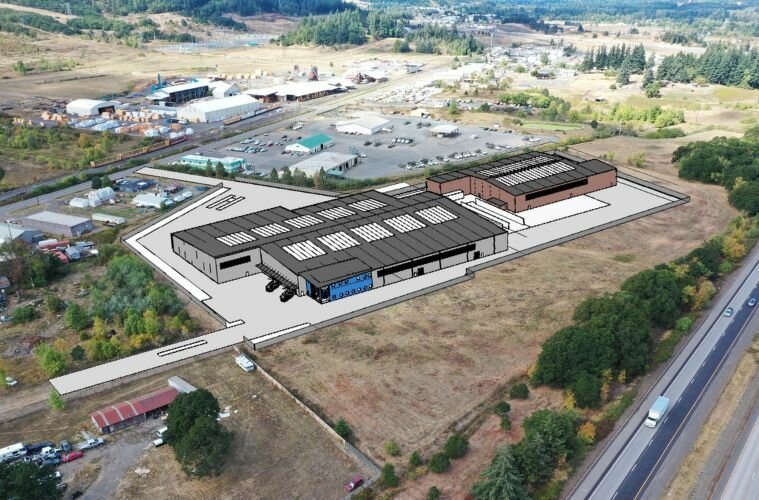
Oregon lawmakers consider a bill to support Lane County’s CleanLane project, a proposed recycling and methane extraction facility designed to extend landfill life and reduce emissions.

Enel strengthens its U.S. renewable footprint with a strategic wind farm swap, expanding its consolidated capacity and leveraging brownfield development for sustainable growth.

A new study reveals how cross-laminated timber (CLT) can play a dual role in reducing greenhouse gas emissions while reshaping forest management—though not without trade-offs for natural forests.

Wildfires are reshaping the carbon market. Forest offsets once seen as safe bets now risk becoming massive carbon sources overnight.

Efforts to replace flood infrastructure in a key Pacific Northwest estuary are colliding with salmon habitat protections—illustrating a broader challenge facing public and private sector landowners alike.

Microplastics are turning up in Brazil's off-limits ocean zones. Protected status isn't enough to block pollution carried by wind and sea.