

A hydrogen air heater is now live at an industrial site in Offenbach. HYTING’s system tackles heat spikes without combustion or costly electric upgrades.

The construction industry is heading into 2026 with solid demand but real pressure. Firms that plan early and build resilient systems will stay competitive.

NYPA’s AGILe joins DOE’s grid test bed inventory, expanding national access to system-level grid testing and digital twin capabilities.

Utah’s SB 231 shows how states are using tax policy to manage large electricity loads as infrastructure strain intensifies.

Building upgrades are moving faster than grid and water infrastructure can expand—creating a growing capital risk few models fully capture.
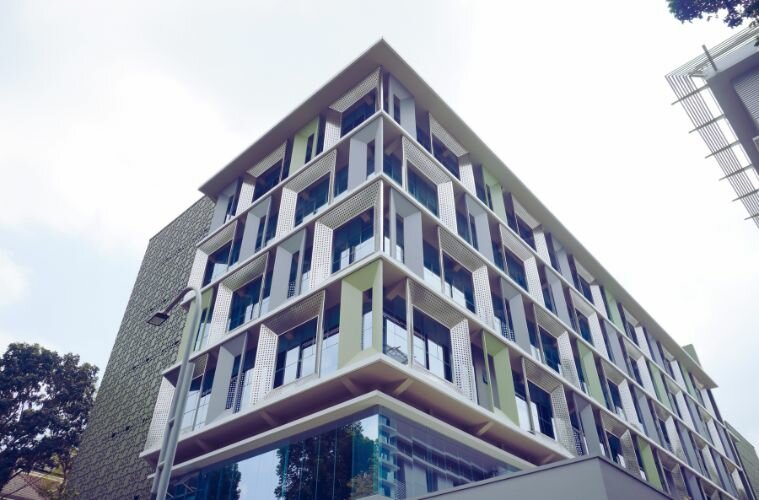
As buildings electrify and demand shifts, facilities teams are encountering infrastructure limits that were never designed to absorb today’s loads.

A new molten-salt reactor project aims to desalinate produced water while generating power. The Permian pilot could redefine industrial infrastructure.

Data centers are testing ways to shift and shape power use in real time. As AI ramps up, flexibility could become key to scaling without grid delays.

Mainland China, India, and Canada emerged as the top three markets for LEED certification outside the United States in 2025.

Energy availability and interconnection risk are forcing organizations to evaluate power feasibility earlier as execution timelines collide with infrastructure constraints.

Energy availability is reshaping project schedules, forcing organizations to reorder decisions and approvals earlier as execution timelines collide with power constraints.

A national study finds PFAS in landfill gas at levels matching leachate. Air emissions may be an overlooked pathway with major regulatory impact.

Restoring low-yield peatlands may deliver climate benefits within decades. New research challenges old assumptions on emissions, land use, and restoration timelines.

Duke Energy and other utilities are increasing bill assistance programs as extended cold and rising demand put pressure on household energy costs.

TeraWulf’s Kentucky and Maryland acquisitions add 1.5 GW of capacity, reflecting how power availability and grid integration are reshaping data infrastructure development.

Rising electricity demand and grid constraints are forcing planners to re-center firm power in reliability strategies as flexibility and efficiency alone prove insufficient.

A new philanthropic commitment to the Nuclear Scaling Initiative highlights a shift in U.S. nuclear strategy—from one-off projects to repeatable, standardized builds designed to meet rising electricity demand.

Short drone videos and wave analysis now enable fast, affordable current tracking. This new method skips radar and buoys—just video, math, and real-time insight.

FedEx rolled out SAF at two major airports in late 2025, boosting coast-to-coast use. But limited production threatens to slow the sector’s momentum.

Five offshore wind projects along the U.S. East Coast can resume construction after federal courts declined to uphold stop-work orders tied to permitting challenges.