

An IMF climate policy diagnostic finds climate shocks pose macro-critical risks to Liberia’s economy, urging reforms across energy, water, and fiscal policy.

Green-certified buildings aren’t living up to the promise. As performance gaps widen, investors are demanding proof of real energy and cost savings.

Claros and Daikin have completed a large-scale PFAS destruction run. The system treated over 170,000 gallons of process water in an active plant setting.

Plastic particles are showing up in human blood and organs. As scrutiny grows, bottled water brands face rising questions about long-term health impacts.

A PwC study finds restarting the V.C. Summer nuclear project could generate billions in GDP, support 10000 jobs, and strengthen South Carolina’s energy infrastructure.

China’s scale and clean energy edge give it real power to cut fashion’s emissions. A new report outlines what’s needed to make it happen—fast and at scale.

Big Oil brands itself as climate-conscious, but emissions cuts and clean energy spending still lag. For business, the gap between words and action is a risk.

Coal is declining in the West but expanding fast in Asia. A small group of markets and players now holds the power to shape global emissions for decades.

Global shipping CO2 rose 9.3% from 2019–2024 as trade and route distances grew, with containers and bulk carriers driving most emissions despite efficiency gains.

A new offshore drilling plan reopens California waters after decades. Businesses now face legal, economic, and environmental uncertainty across key sectors.

Texas A&M is turning engineered clay into a practical defense against PFAS, VOCs, and more. These tools aim to reduce exposure before it becomes a crisis.
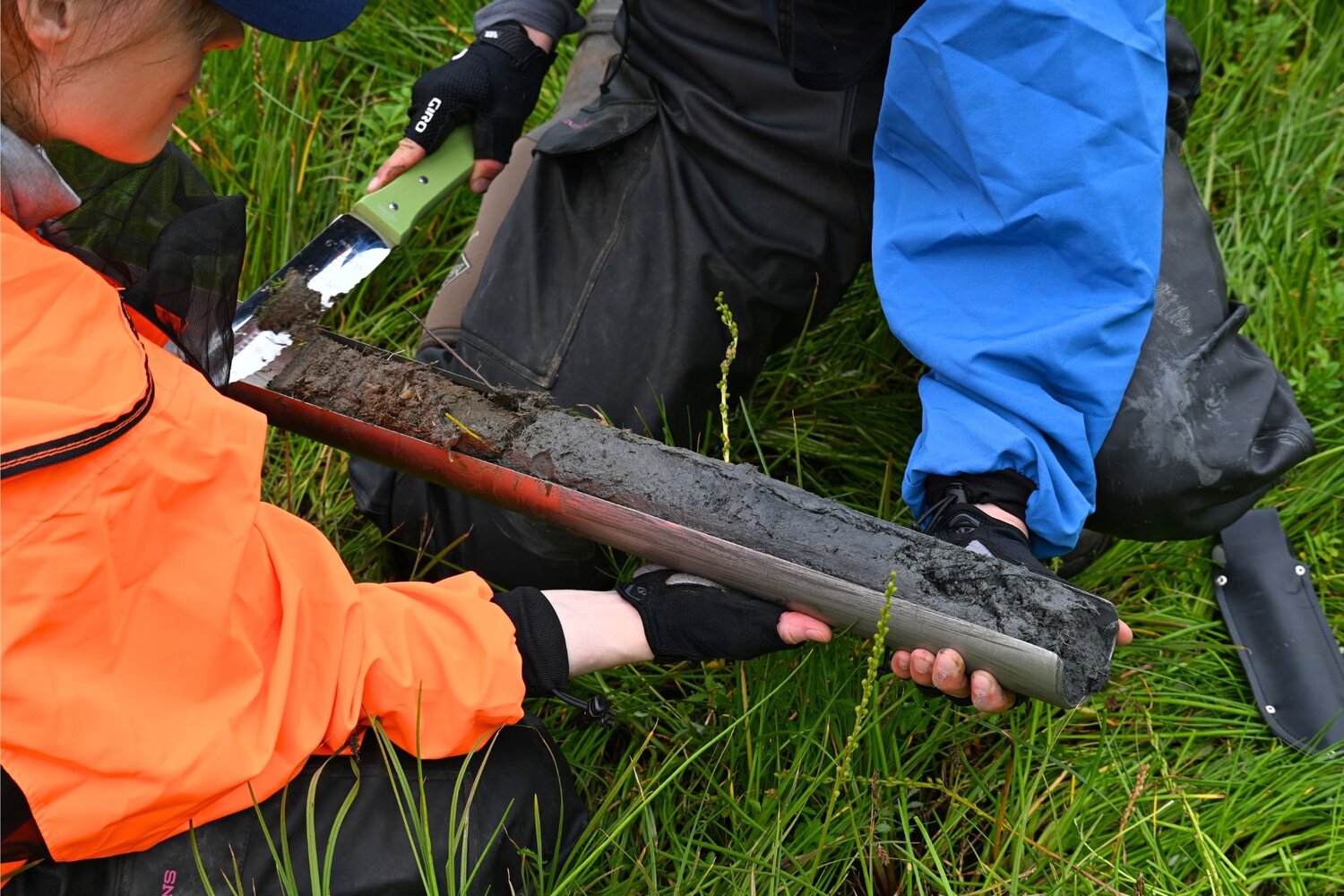
A new study finds common wetland carbon metrics may be overstating storage. The overlooked data gap could impact carbon credits and coastal restoration plans.

Released in November 2025, new maritime SMR research shows global nuclear and shipping agencies must build unified safety, liability, and port-access rules.

Global shark and ray trade just changed. Over 70 species gained new protections under CITES, forcing tighter rules and major shifts in seafood supply chains.

At COP30, African institutions pushed for peace and climate goals to align. Stability is now seen as key to unlocking investment and resilience across the continent.

The federal mining agency has repealed 14 obsolete coal rules, aiming to simplify oversight. Core environmental protections under SMCRA remain fully in place.

FDA has withdrawn its proposed talc asbestos testing rule after reviewing 49 comments, citing technical, legal, and definitional concerns. A new MoCRA rule is planned.

Shell and Natrx are scaling modular, nature-based systems to protect coastlines. The collaboration blends ecological design with real-world deployment.

Atlas launches its first Colombian solar plant, Shangri-La, in Tolima. The 201 MWp project boosts clean power supply and supports regional workforce growth.

A new solid electrolyte could make sodium batteries safer and cheaper. Researchers in Canada have found a way to boost performance without using lithium.