

Ontario is planning its nuclear workforce before shortages arrive, and Darlington shows how retaining skilled workers and suppliers can speed execution.

DOE's $60 million Prometheus initiative adds HiddenLayer for AI security as nuclear developers, labs and regulators expand AI into reactor licensing.

Four advanced reactors reached zero-power criticality by July 4, but licensing, manufacturing, and commercial deployment will require far more capital.

DOE financing could accelerate ten AP1000 reactors, but the largest components still depend on a small overseas network of qualified heavy-forging suppliers.

South Korea's government has committed to an 18.4 GW AI data center buildout backed by discounted power and land rights, ahead of confirmed demand.

Four U.S. advanced reactor experiments reached criticality by a July 4 target, producing new data on how quickly designs can move from construction to testing.

Australia's data center load is surging, but federal law excludes nuclear power from a grid plan built around renewables, storage, transmission and gas backup.
For years, uncertainty justified delay. Increasingly, uncertainty itself is becoming the cost organizations can no longer afford to absorb.
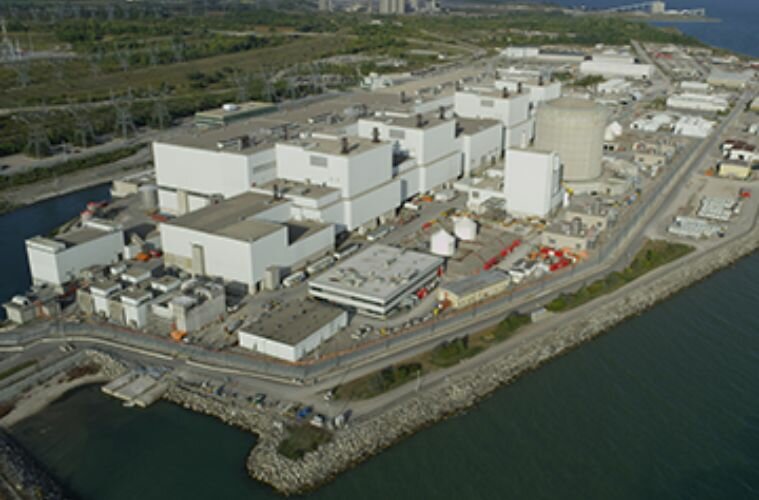
The Williams Treaties First Nations announced a $700 million investment in Ontario's Darlington SMR project, backed by the largest Indigenous loan guarantee ever issued in Canada.

DOE's Idaho Operations Office approved a preliminary safety analysis for Oklo's Aurora reactor under the Reactor Pilot Program, a staged federal framework for advanced nuclear deployment.

DOE selected Duke Energy for up to $96 million in federal funding for reliability upgrades at coal-fired power plants in Kentucky and North Carolina across three sites.

The regulatory framework for industrial radiography involves multiple federal and state agencies, dose limits that carry criminal exposure if violated, and compliance failures specific enough that inspectors arrive with a checklist most field crews have never read.
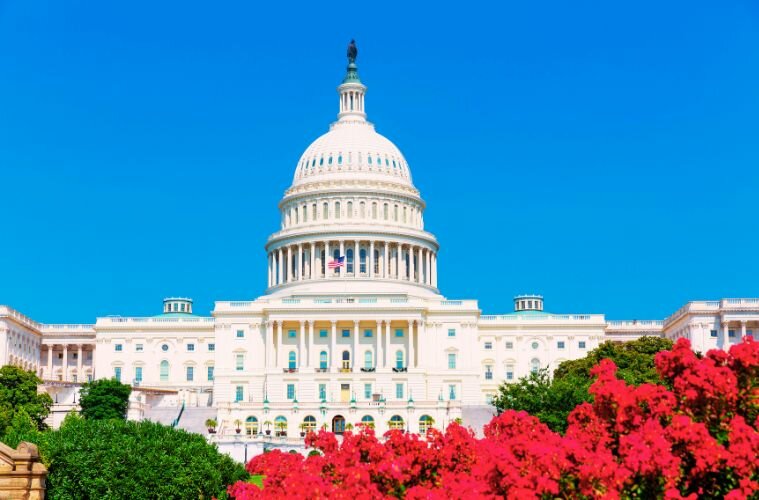
House FY2027 energy and water bill advances at $58.5B, cutting grid and clean energy programs sharply while boosting nuclear defense and water infrastructure.

Germany celebrated the shutdown of its last nuclear reactors in April 2023 as a moral victory. The nuclear exit was framed as a triumph of environmental responsibility: proof that a modern industrial nation could renounce 'dangerous' technologies and lead the world toward a cleaner future. A new analysis suggests the opposite happened.

France's nuclear fleet reduces output every summer as river cooling limits are exceeded. For multinationals with European operations, the seasonal price spike is now predictable enough to plan around.

Fusion is moving from lab work to infrastructure planning. A new UK consortium aims to turn momentum into a bankable commercial power project.

Duke Energy applied for DOE loans on May 11 to lower financing costs on its $103 billion five-year capital plan serving six states with fast-growing energy demand.

Uranium demand is rising, but supply remains slow to respond. A Saskatchewan project is testing whether faster development can help close the gap.

Connecticut's PURA approved a 14% residential rate decrease for Eversource and United Illuminating customers effective May 1, driven by nuclear contract savings and lower public benefits charges.

A new NRC rule is reshaping how advanced nuclear gets approved. AMPERA is among the first to engage, testing a faster path for microreactor deployment.