

With climate disasters rising, North Carolina’s new law invests $1B in infrastructure and recovery. Can it create a scalable model for resilience?
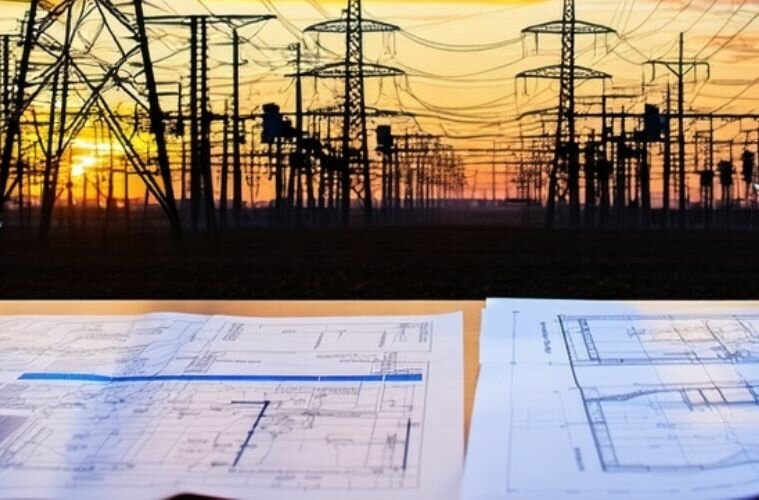
Texas Senate Bill No. 75 reinforces the state’s electric grid by establishing expert oversight and rigorous simulations to set new resilience standards that safeguard healthcare, water, communications, and transportation, ensuring public safety and economic stability.
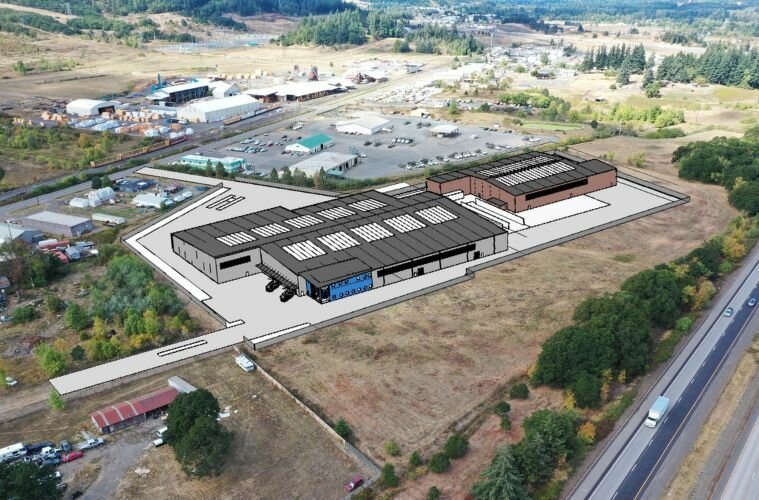
Oregon lawmakers consider a bill to support Lane County’s CleanLane project, a proposed recycling and methane extraction facility designed to extend landfill life and reduce emissions.

Micromobility Fire Safety Standards Act of 2025: Ensuring safe e-bike and e-scooter use in D.C. by requiring UL-certified batteries to prevent fire risks.

The Trump administration has cut tens of millions of dollars from a key Columbia Basin salmon-restoration program run by the U.S. Army Corps of Engineers, a move experts say puts the treasured Northwest fish in further jeopardy.

Greenwashing threatens the integrity of sustainable finance. Key risks in the sustainable bond market, regulatory frameworks tackling misleading claims, and measures to ensure transparency and investor trust.

New Hampshire’s HB 710 positions advanced nuclear resources (ANRs) as a key part of energy diversification, reflecting a broader U.S. trend of state-driven nuclear policy shifts.

Delaware’s Senate Bill 72 requires public drinking water systems to report PFAS levels and mandates consumer notifications when contamination exceeds legal thresholds—advancing water safety protections ahead of federal timelines.

Maryland Governor Wes Moore signs SB 901 into law, making Maryland the sixth U.S. state to adopt Packaging Extended Producer Responsibility (EPR). The law aims to modernize recycling systems and support a circular economy.

Iowa senators voted 27-22 late Monday to pass a bill to limit the ability of carbon sequestration pipelines to use eminent domain, sending it to the governor’s desk after a drawn-out debate.
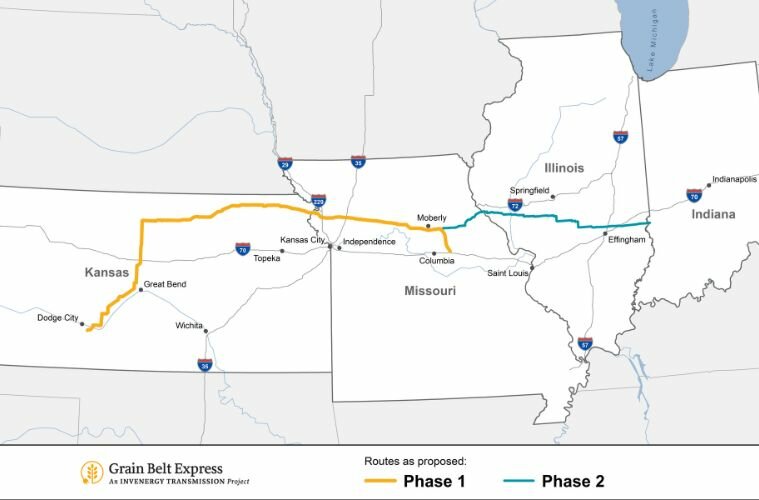
Invenergy’s $1.7B Grain Belt Express aims to modernize U.S. energy infrastructure but faces strong local opposition over land rights and project benefits.
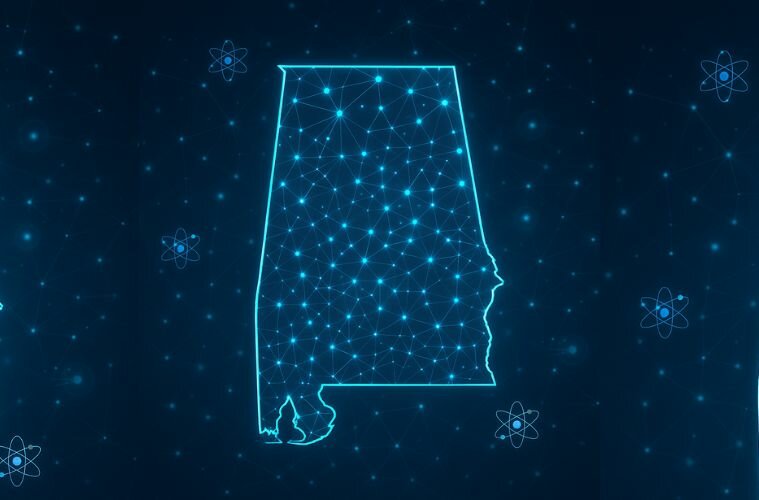
Alabama advances plans to store uranium-233, aiming to drive next-gen nuclear energy innovation, job creation, and private investment in the state.

In the wake of recent natural disasters, state leaders across the country are finding that emergency support from the federal government is no longer a given.
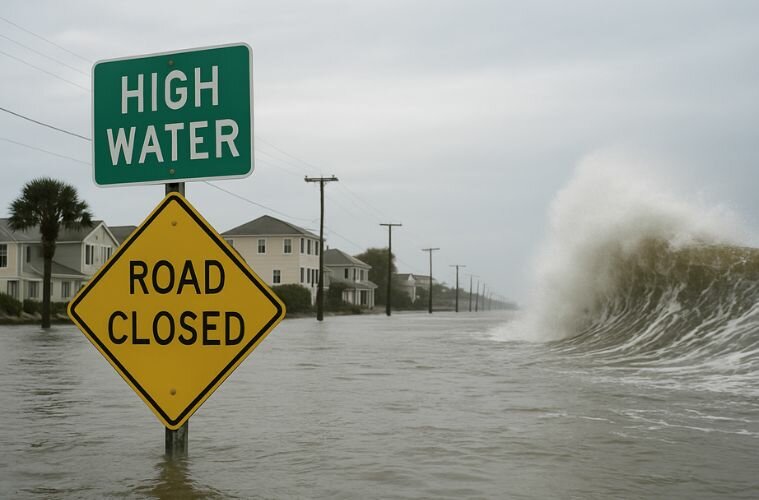
Bipartisan lawmakers introduce the Resilient Coasts and Estuaries Act of 2025 to strengthen coastal resilience, protect ecosystems, and mitigate climate change impacts.
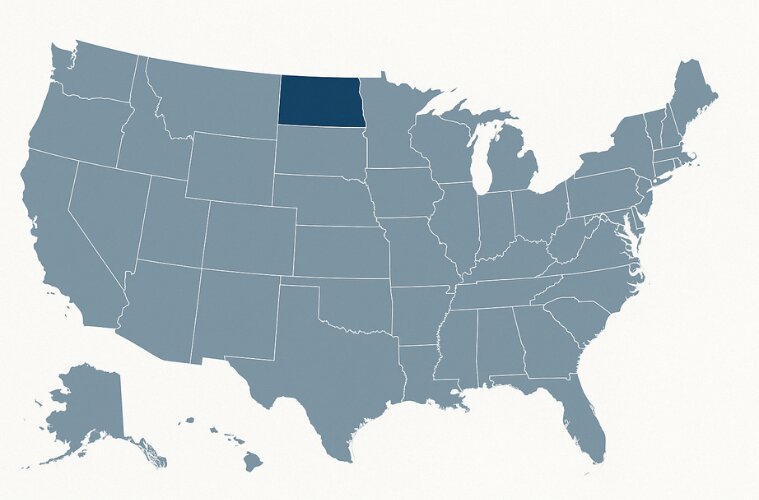
North Dakota authorizes a $600K study on advanced nuclear energy, exploring SMRs, grid readiness, economic impact, and legal feasibility ahead of the 2027 session.

Hawaii Legislature passes resolution urging alignment with the UN Plastics Treaty and Rapa Nui Declaration to combat plastic pollution and protect marine ecosystems.
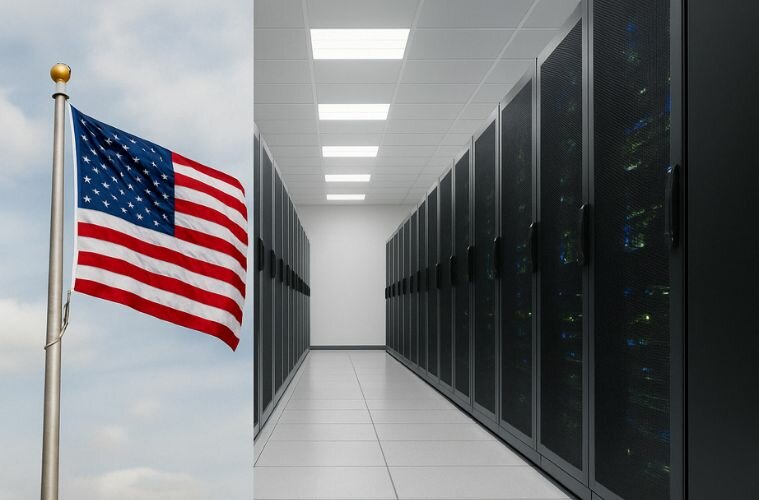
Indiana’s new law bans foreign adversary-linked data centers from using regional grid power, requiring full energy independence to operate in the state.

Since our relaunch, engagement has surged — and we’re opening new ways for industry leaders to share insights, build visibility, and get involved.
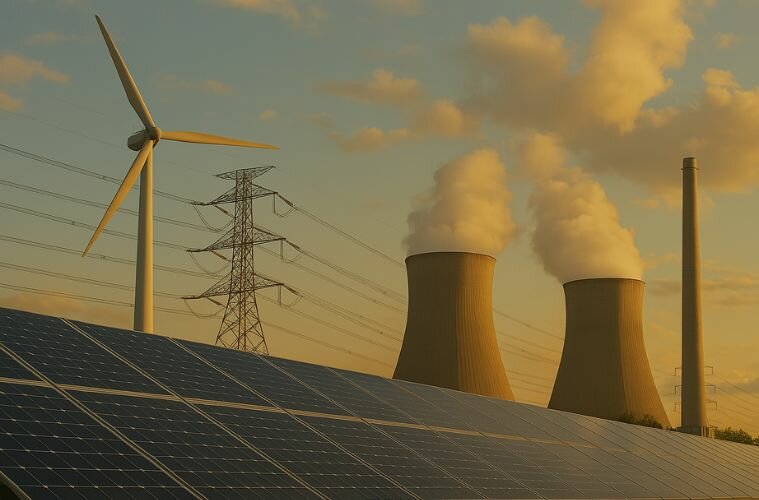
Tennessee redefines “clean energy” to include gas, nuclear, and waste-to-energy—fueling a partisan clash over local control and environmental standards.

A new executive order directs the DOJ to dismantle state climate laws and lawsuits, framing them as threats to U.S. energy dominance and economic security.