
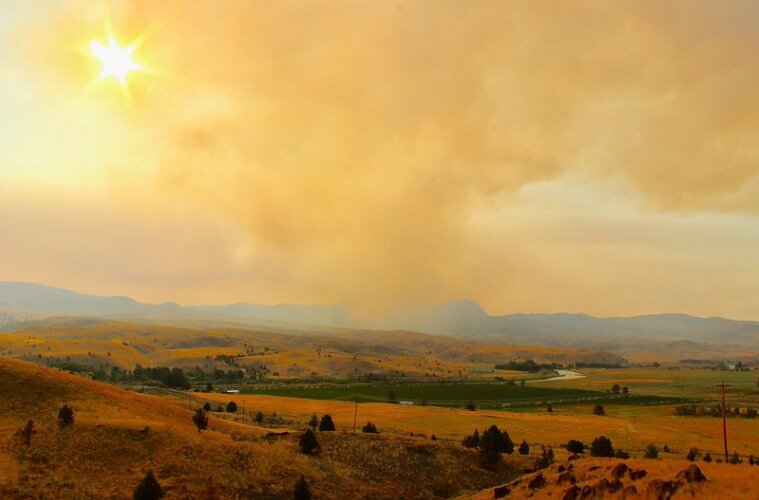
Global warming is projected to reduce snowfall in Oregon by 50% by 2100, a shift that could severely impact water resources, agriculture, and ecosystems reliant on snowmelt.
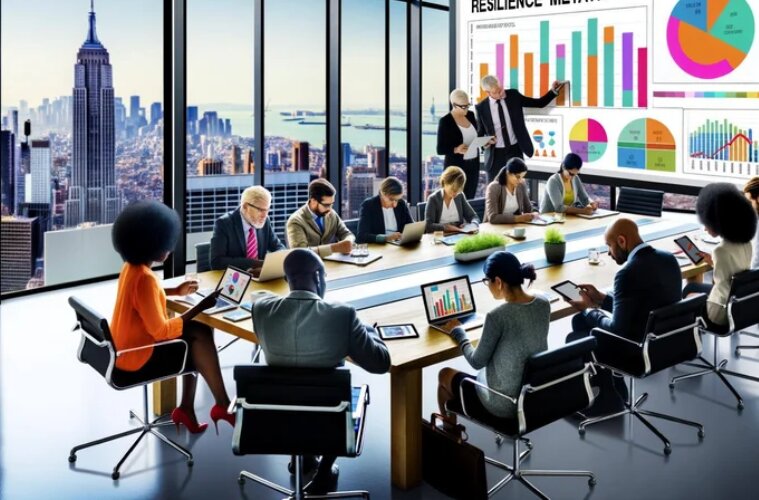
From political shifts to technology adoption, resilience emerges as a critical factor for navigating global uncertainty.
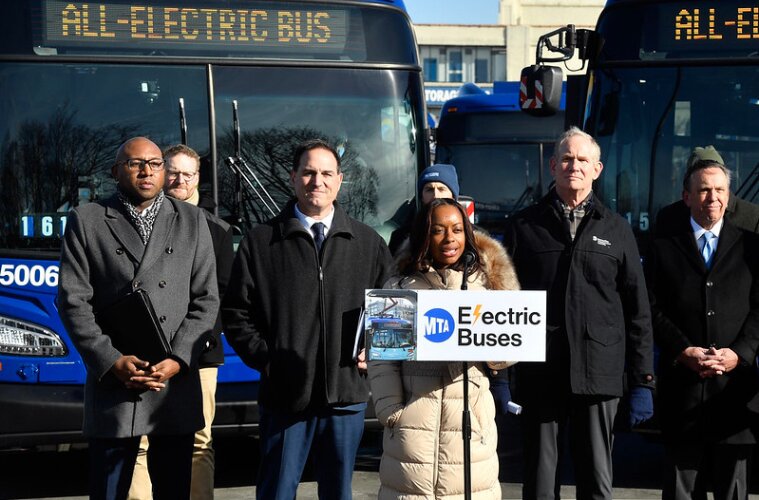
NYC’s congestion pricing begins as MTA adds 265 electric buses, slashing emissions, improving air quality, and modernizing transit infrastructure.
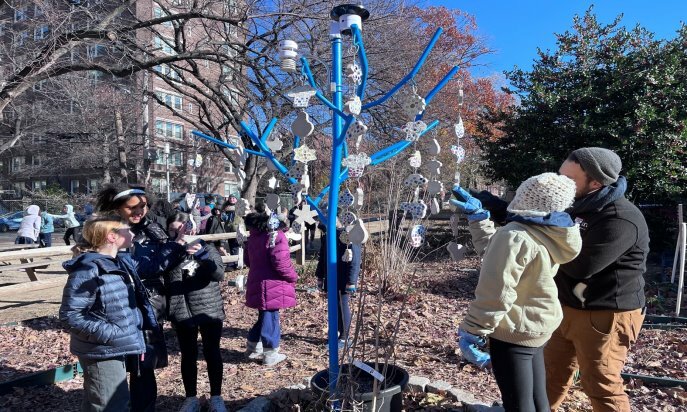
West Philadelphia schools launch a climate science program featuring weather stations, blending STEM learning with creative expression.
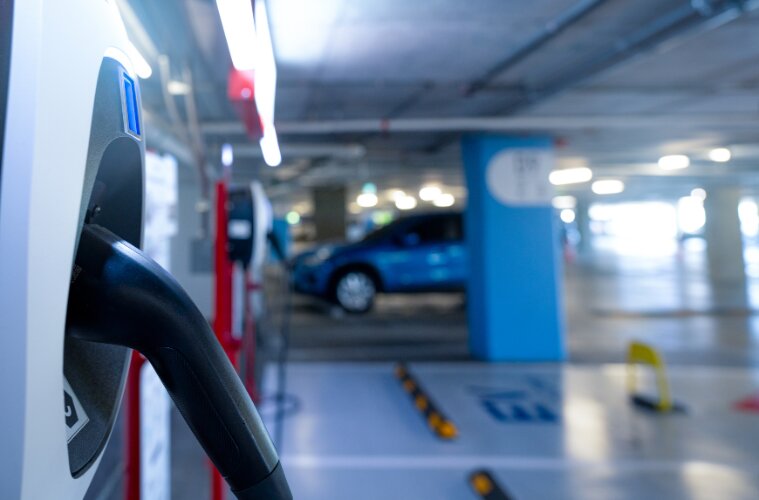
New federal funding supports 49 projects to advance zero-emission transportation, deploying 11,500 EV charging ports and alternative fueling sites.
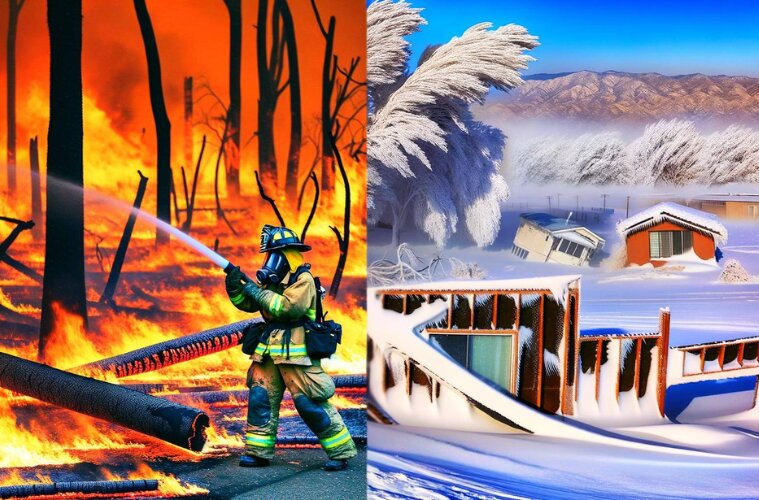
Dual disasters in Southern California and Western North Carolina expose critical gaps in utility preparedness, emergency response, and resource equity.
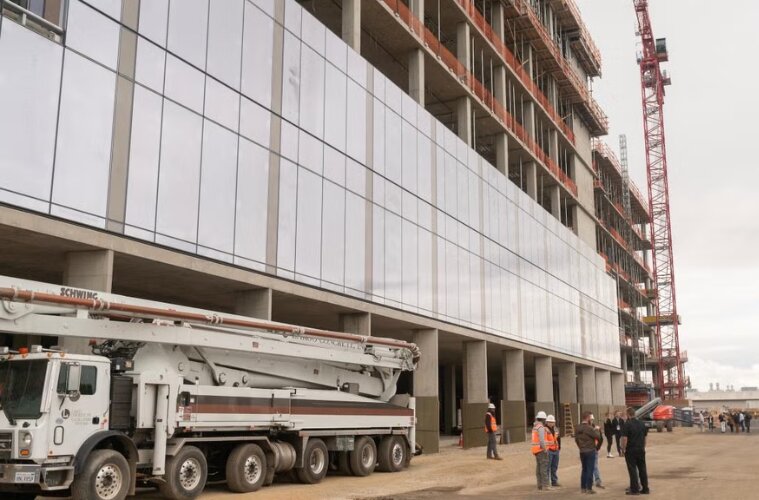
Could carbon-storing materials revolutionize the construction industry?
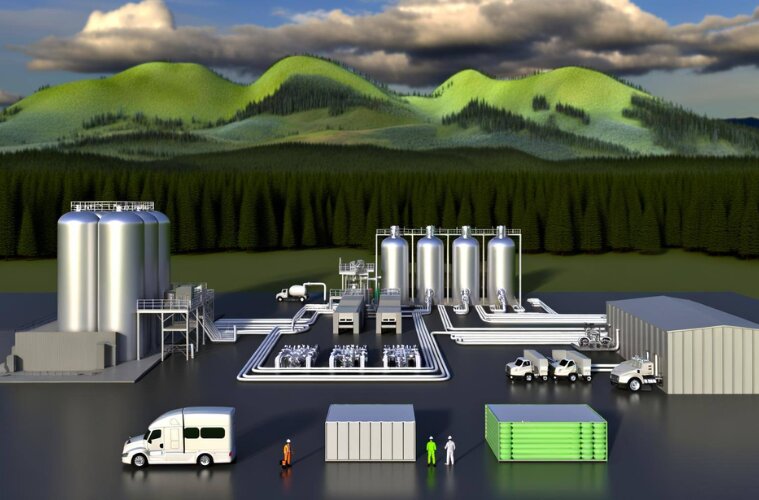
The development of green hydrogen energy facilities presents a unique opportunity to blend economic growth with environmental responsibility.
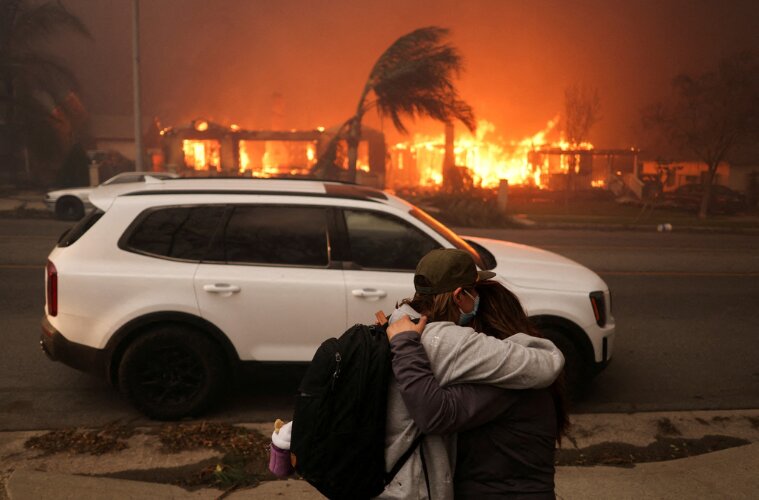
Federal aid arrives as California battles devastating wildfires, revealing systemic issues in infrastructure and disaster preparedness.

While outdoor air gets the spotlight, indoor air can be more harmful. Building managers must prioritize IAQ for healthier spaces.
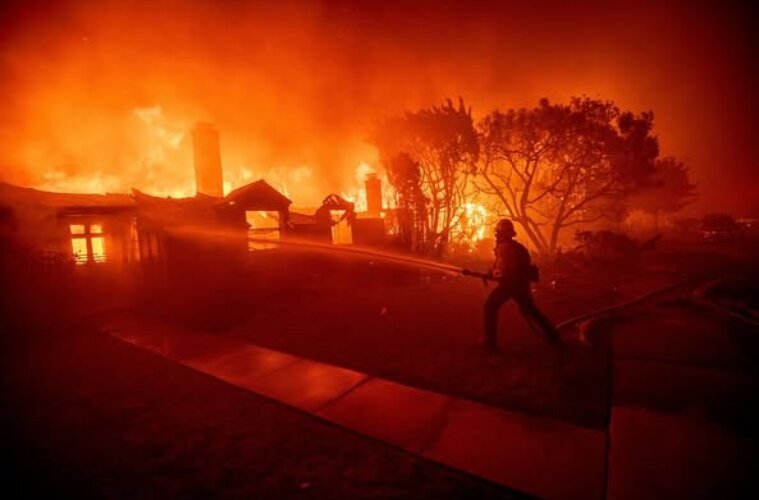
With insurers retreating and hydrants running dry, California’s wildfires expose systemic failures that leave homeowners and firefighters at risk.
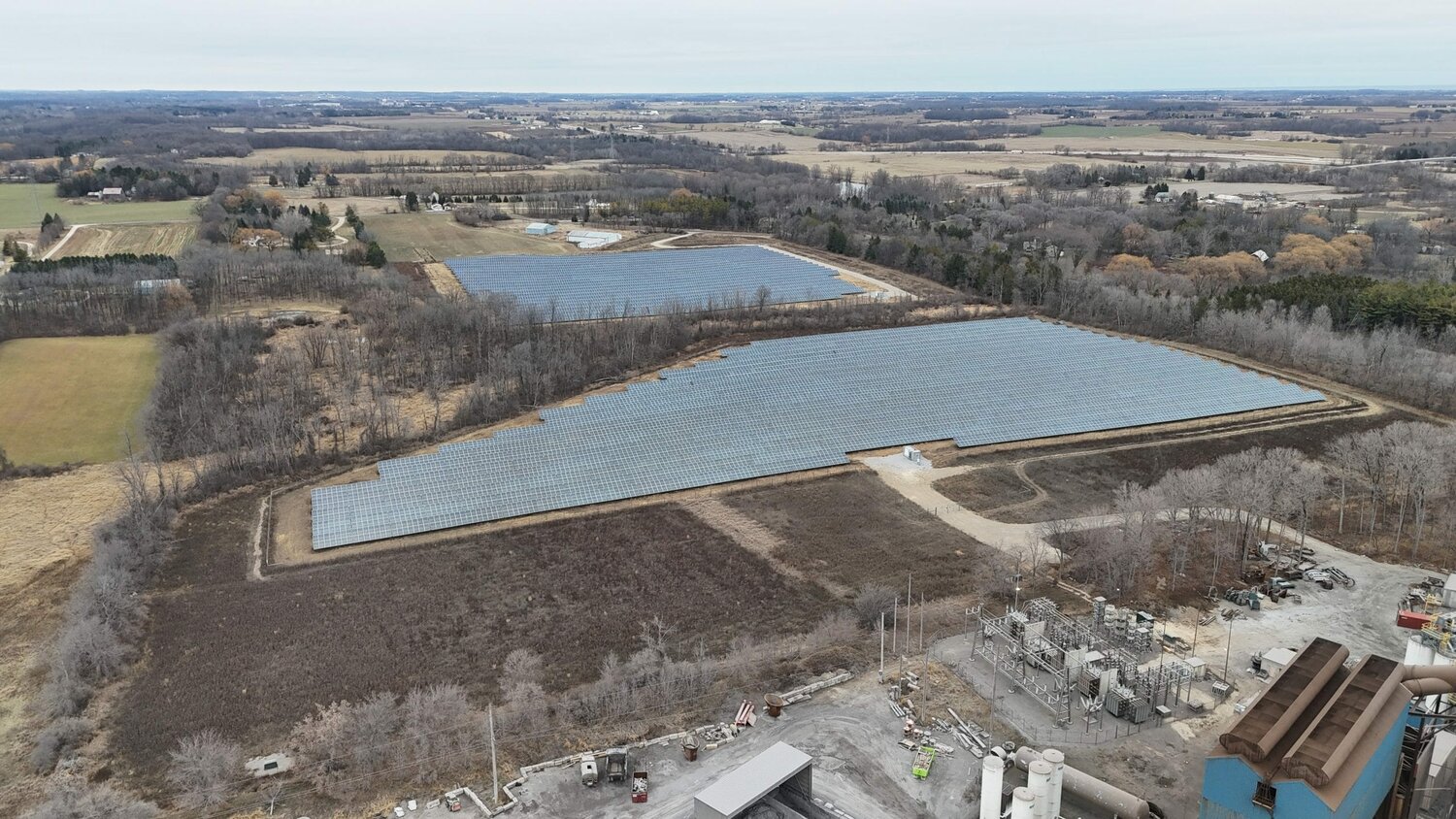
A new 19.5 MW behind-the-meter solar project at Charter Steel marks a major step in Wisconsin’s clean energy-driven steel production.

The Las Vegas Raiders have released their 2024 Impact Playbook, providing a comprehensive overview of their sustainability achievements, community investments, and equity initiatives. Allegiant …
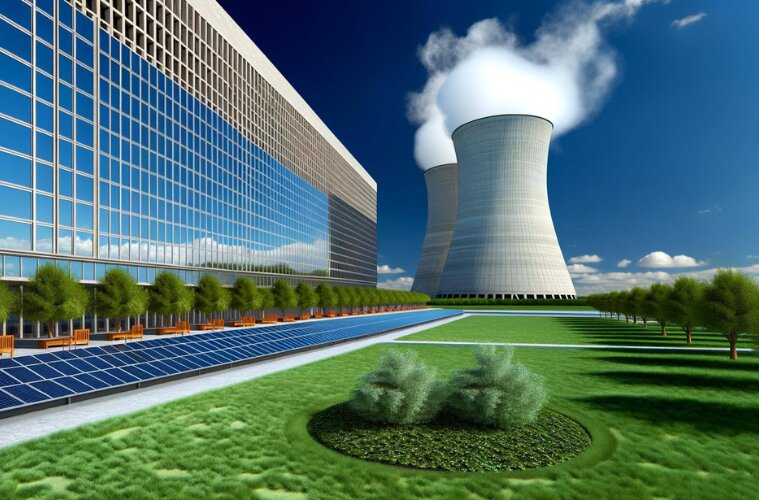
Federal agencies adopt a bold approach to secure stable, carbon-free power for the next decade.
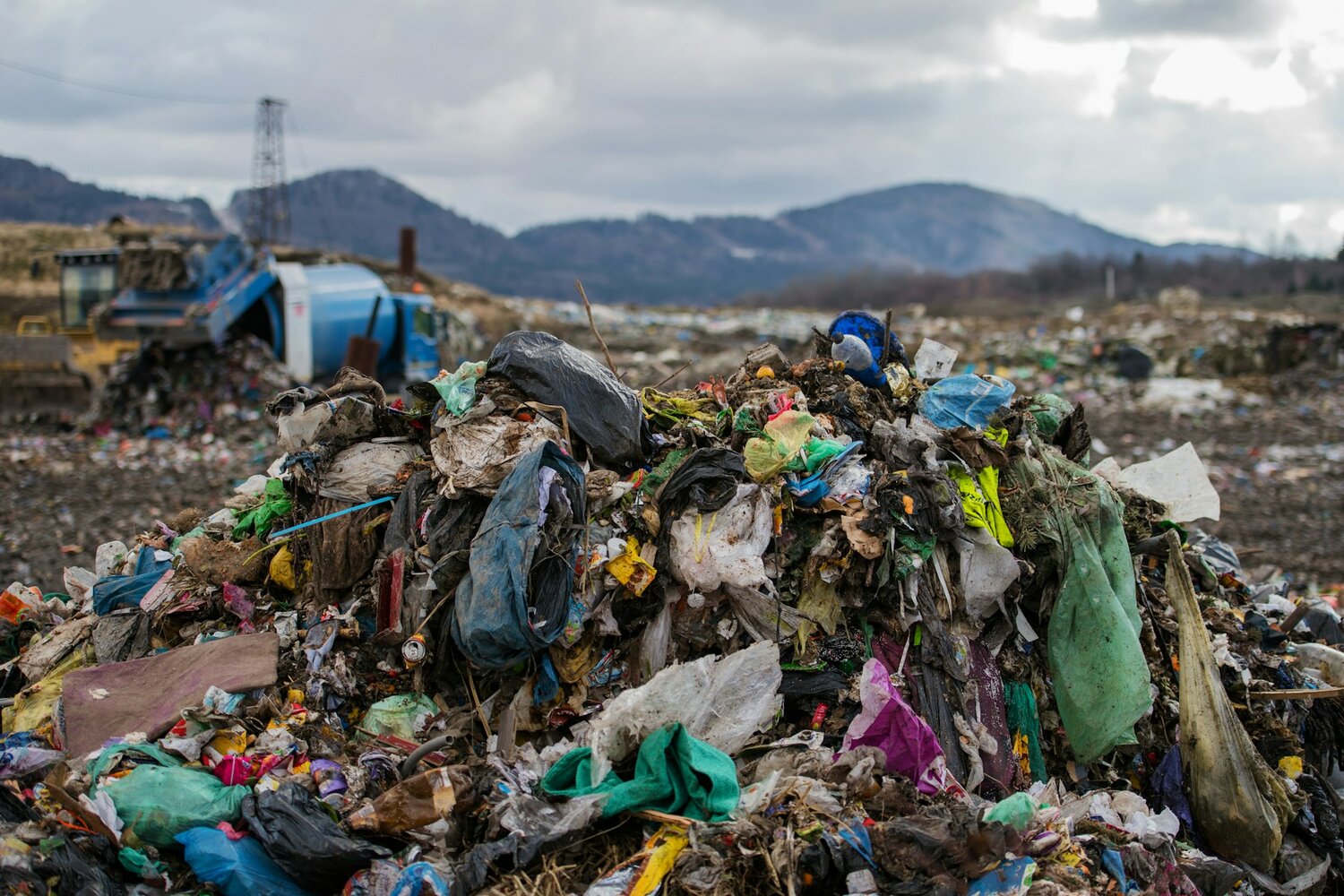
Colorado’s new methane rules will surpass EPA standards, driving innovation in landfill emissions control and waste-to-energy solutions.

From cost efficiency to sustainability, explore the benefits, challenges, and alternatives to artificial grass for businesses and homeowners.
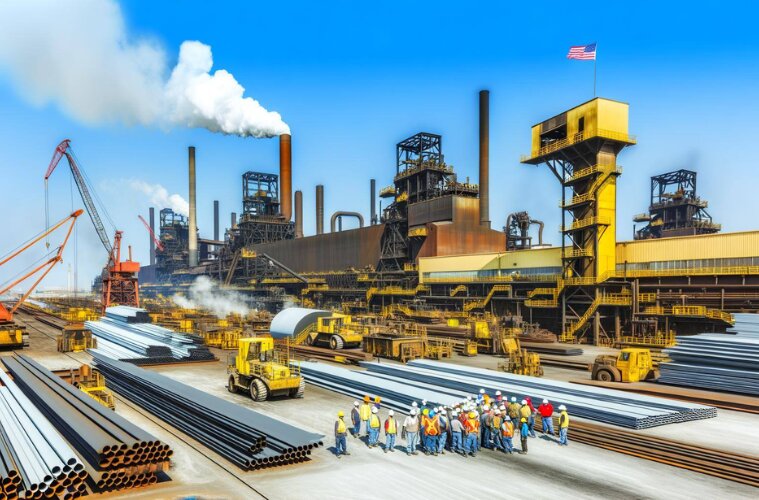
U.S. Steel remains American-owned as Biden blocks merger, highlighting security and manufacturing resilience while U.S. and Nippon Steel respond by filing lawsuits against the Administration.
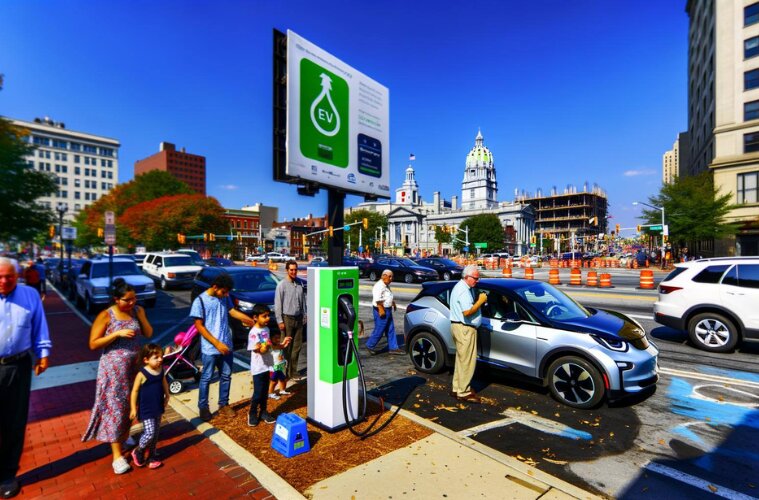
Can Pennsylvania overcome its infrastructure and policy hurdles to lead the nation in clean energy innovation?
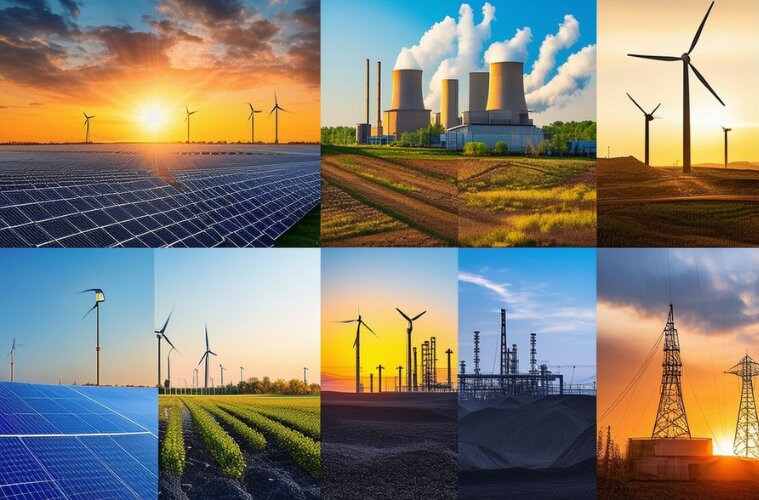
Exploring the major energy sources in the United States and analyzing their impact on sustainability, focusing on reducing the carbon footprint through clean energy initiatives.
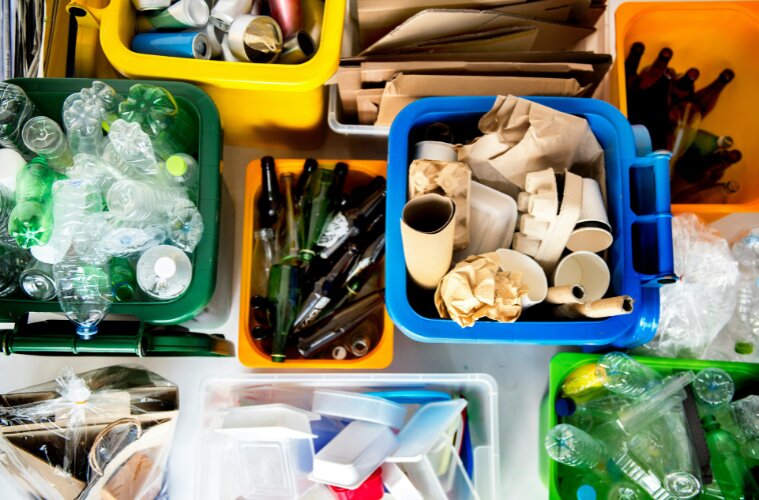
Maine, Vermont, and Massachusetts have the highest recycling rates in the country. Which three states are ranked the worst?