
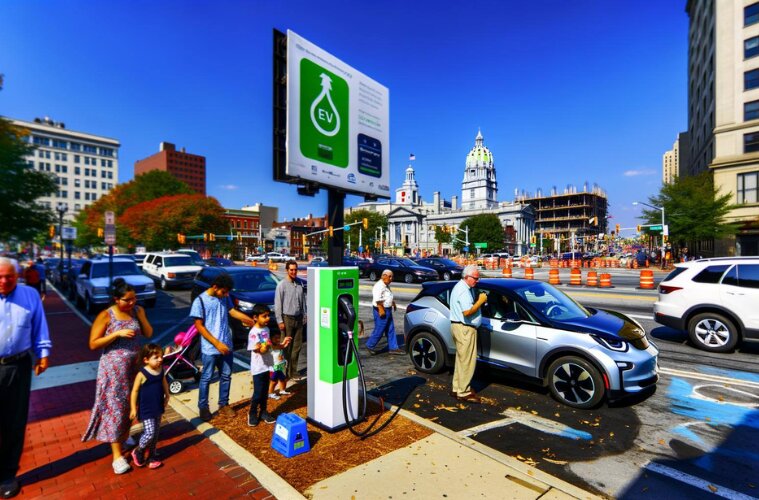
Can Pennsylvania overcome its infrastructure and policy hurdles to lead the nation in clean energy innovation?
The City of Portage debuts a food scraps recycling program, aiming to cut landfill waste, lower emissions, and support eco-friendly practices.
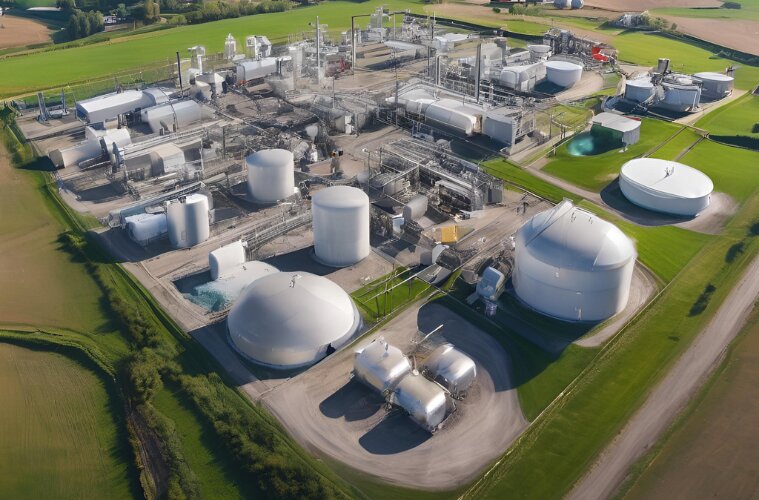
Methane reduction offers a rare chance for quick climate wins. Learn how federal investment is driving tech, jobs, and community resilience.

Dive into the aviation industry’s innovative strategies for achieving net zero emissions through sustainable fuel and technological advancements.

G-Lyte’s solar innovation aims to replace disposable batteries with eco-friendly DSSC technology, offering 99% recyclability and low-light efficiency.

Amazon is decarbonizing its global operations by 2040, revolutionizing green infrastructure with net-zero buildings and renewable energy.
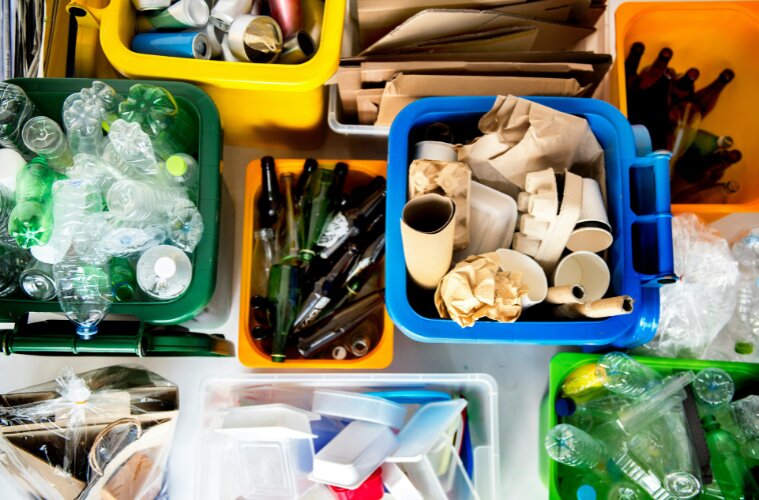
Maine, Vermont, and Massachusetts have the highest recycling rates in the country. Which three states are ranked the worst?

What does the latest Edison water main break mean for the future of infrastructure?

The year's most-read stories revealed: Climate events, toxic chemicals, and energy breakthroughs shaped the sustainability conversation in 2024.

How will the ISSB standards transform sustainability reporting for UK businesses?

Extreme weather in 2019 caused unprecedented ice loss in Greenland, with thinning reaching 41.7 ± 10.7 inches due to warm air and reduced cloud cover.

As we approach a pivotal year for sustainability and energy leadership, the road ahead comes with unique challenges—and exciting opportunities. With anticipated regulatory rollbacks and funding …
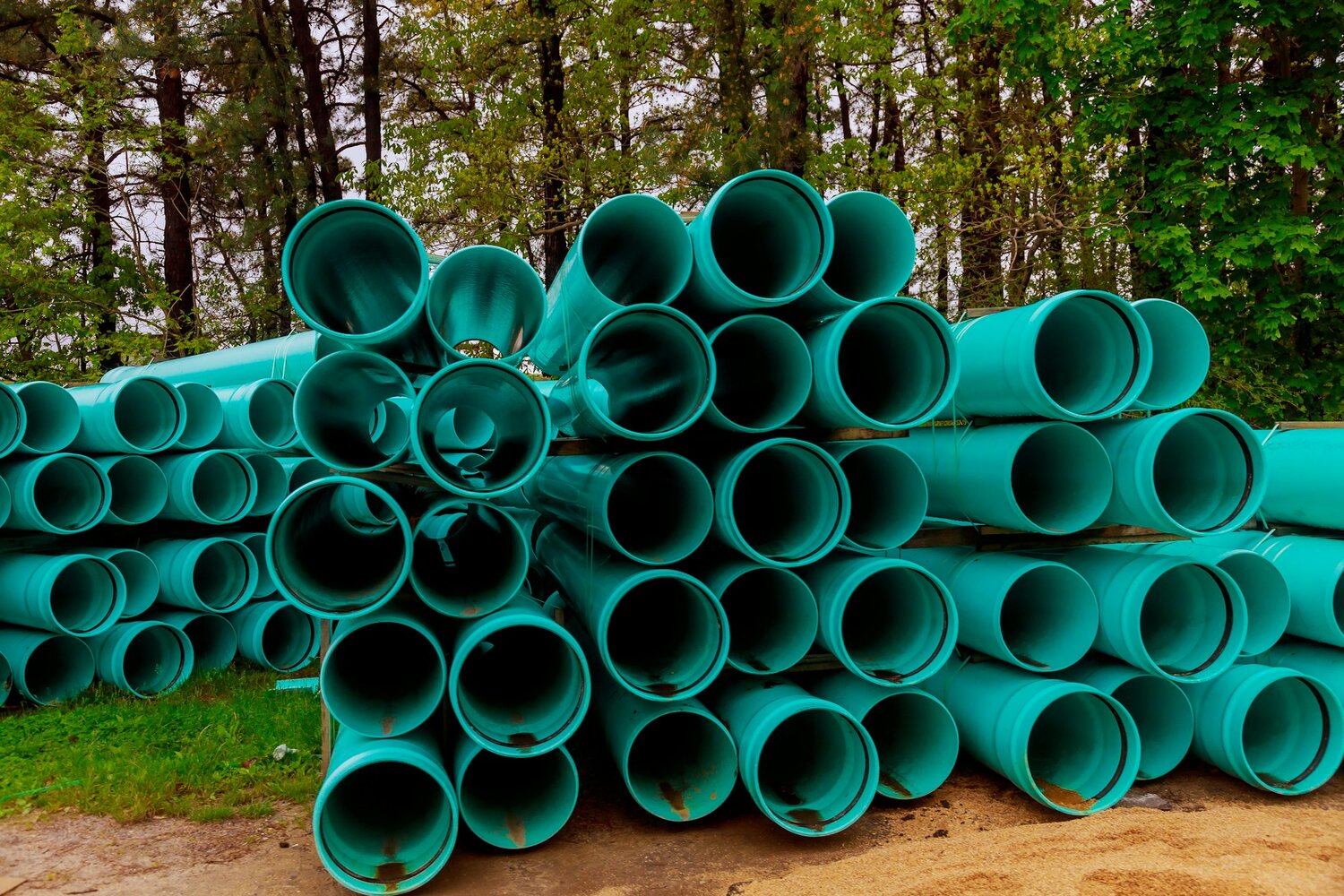
Light House launches a program to recycle plastic waste from Vancouver construction sites, creating sustainable building materials.

Under the leadership of Prime Minister Jonas Gahr Støre, Enova’s annual funding has surged from $290 million to over $800 million since 2021.
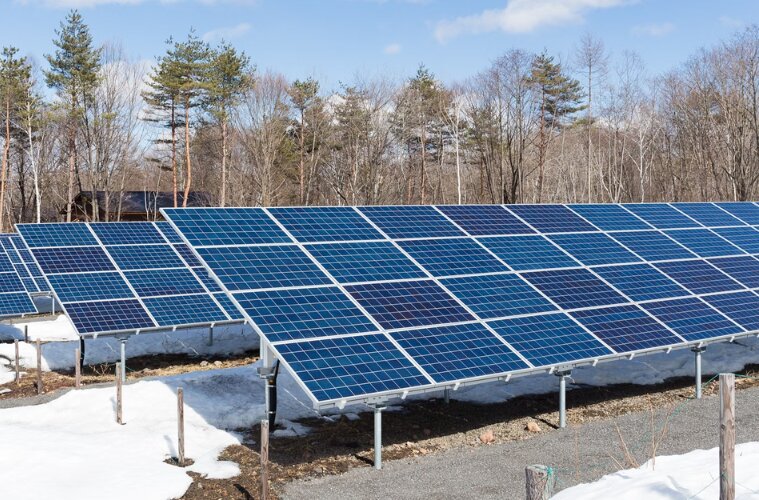
Maine’s commitment to renewable energy takes a significant step forward with five new community solar farms, delivering clean power and savings to residents statewide.

This community-driven project, shaped by feedback from over 30,000 residents, promises to create an airport that truly reflects the heart of the Pacific Northwest.
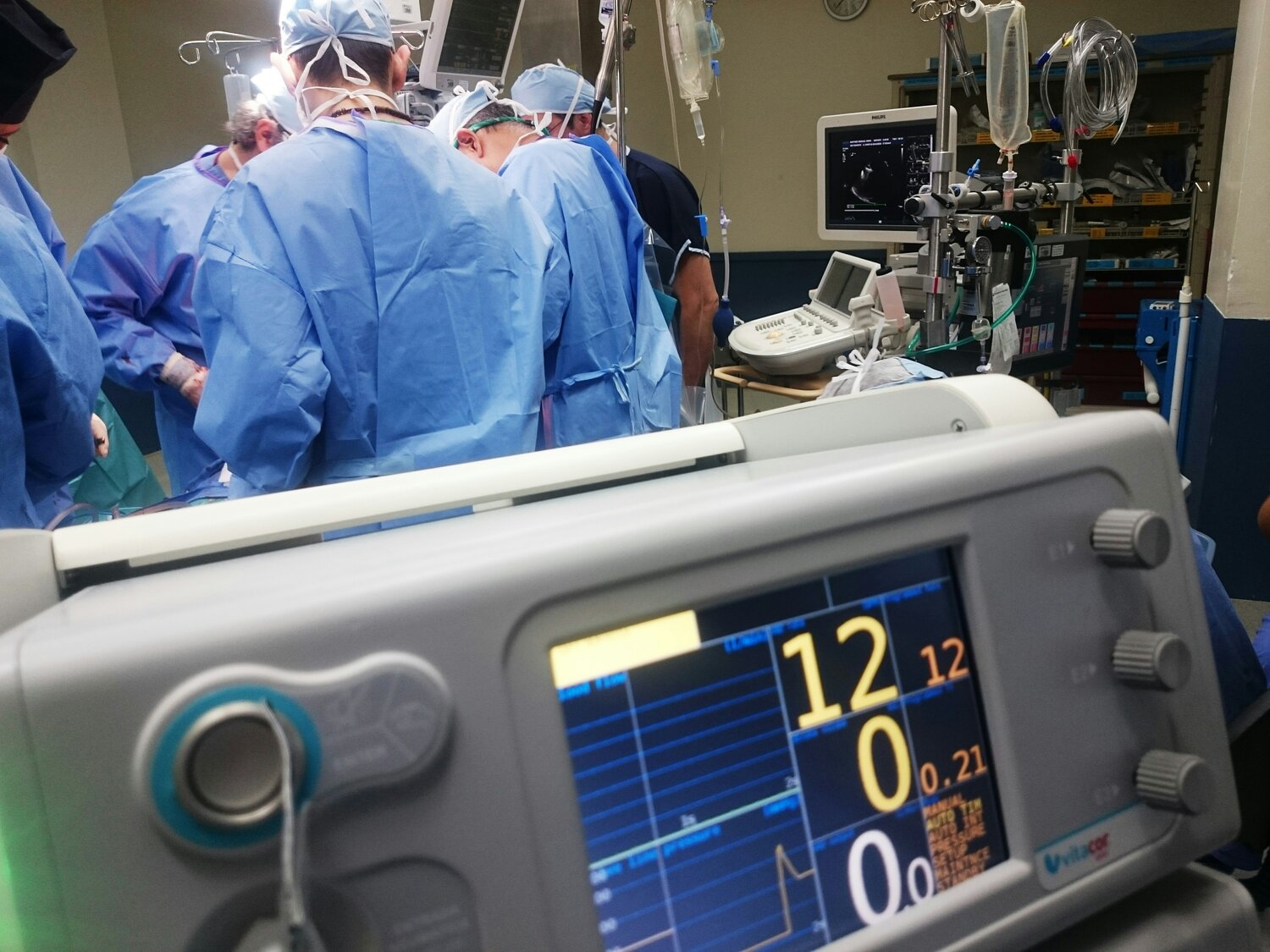
Healthcare systems face unique challenges in maintaining system reliability and minimizing downtime, especially as technological and infrastructural demands grow. In a recent webinar,

Recent research from the University of Notre Dame has identified fitness trackers and smartwatch bands as unexpected sources of PFAS.

American Magic eliminates 88,000 single-use plastic bottles through sustainable water systems, setting a new standard in sports sustainability.

A new study reveals ground shifts under Miami high-rises, urging safer construction practices and better monitoring for long-term stability.