

As Michigan launches a state-level tax credit program for Sustainable Aviation Fuel, U.S. producers expand output—even as federal policy under the Trump administration sends mixed signals.

Beginning January 1, 2026, Illinois will prohibit the sale of cookware, cosmetics, and more with intentionally added PFAS, under expanded amendments to the PFAS Reduction Act.

Private equity firms are accelerating acquisitions of mobile home parks—but at what cost? From contaminated water to poor waste management, residents are facing serious environmental health risks as infrastructure fails under profit-driven ownership.

Illinois embraces values-driven food procurement, advancing sustainability, fair labor, and local sourcing in state-funded facilities through new policy reforms.

Enel strengthens its U.S. renewable footprint with a strategic wind farm swap, expanding its consolidated capacity and leveraging brownfield development for sustainable growth.
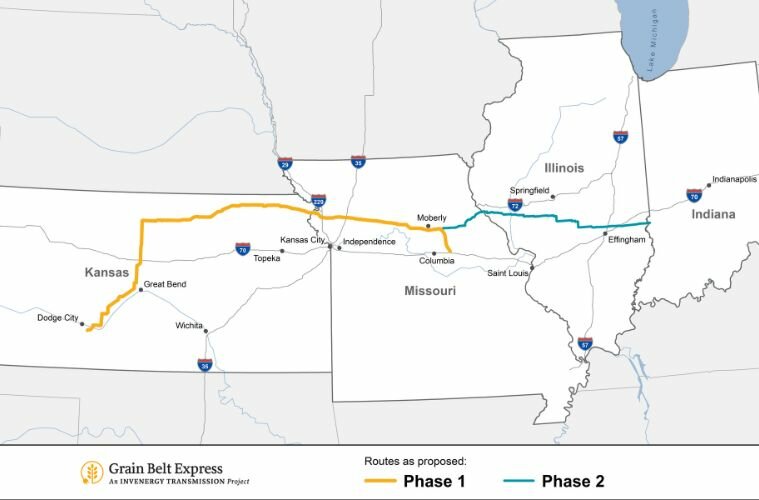
Invenergy’s $1.7B Grain Belt Express aims to modernize U.S. energy infrastructure but faces strong local opposition over land rights and project benefits.
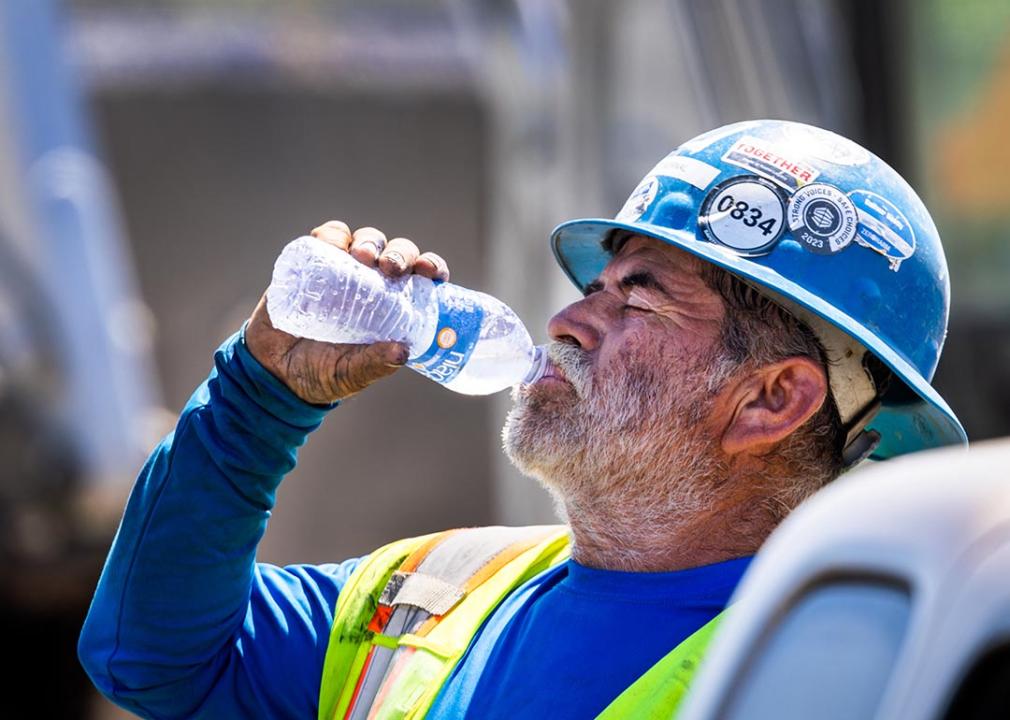
Grist reports on a study showing that exposure to high temperatures adds up to 14 months to older adults' cellular age.

With a major regulatory milestone achieved, NANO Nuclear moves closer to building the first advanced microreactor on a U.S. university campus.
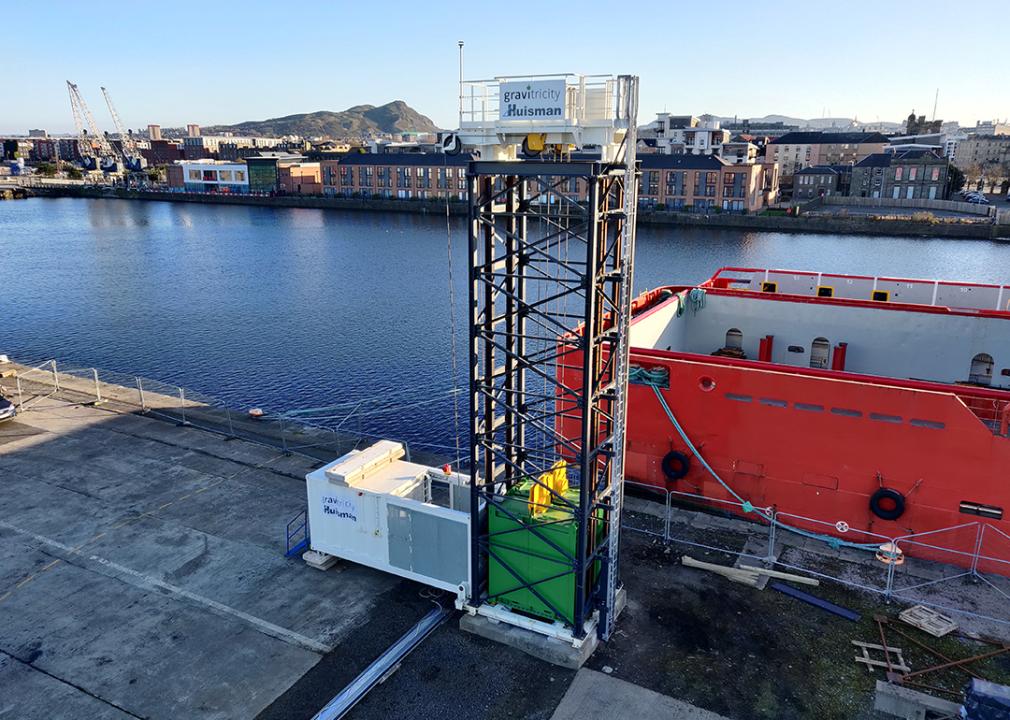
Reasons to be Cheerful explains how "gravity batteries" are giving former mines a second life—while offering an economic and environmental boost to communities once reliant on coal.
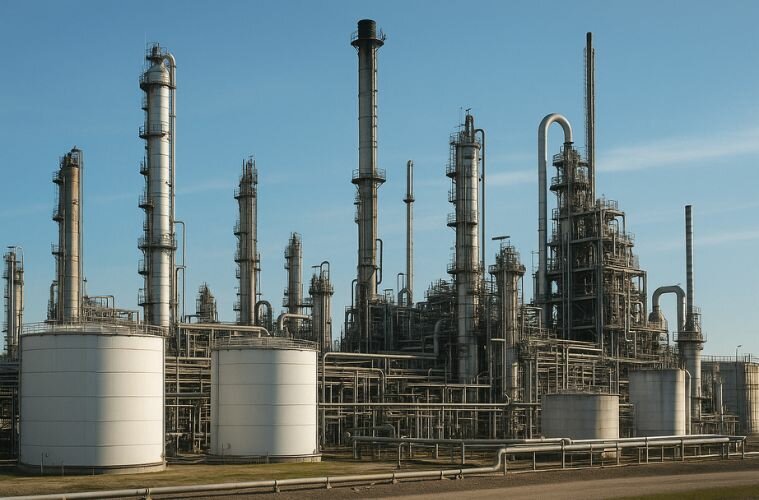
The U.S. leads North America’s SAF surge with billion-dollar projects and policy backing, while Canada sets the stage with early investments and partnerships.

Illinois State’s sustainability efforts earn STARS Silver, showcasing improvements in waste reduction, infrastructure, and sustainability education.

The Illinois EPA has rejected a federal plan to expand a toxic waste site in Chicago, citing state law violations and environmental risks. Community advocates push for long-promised parkland instead.
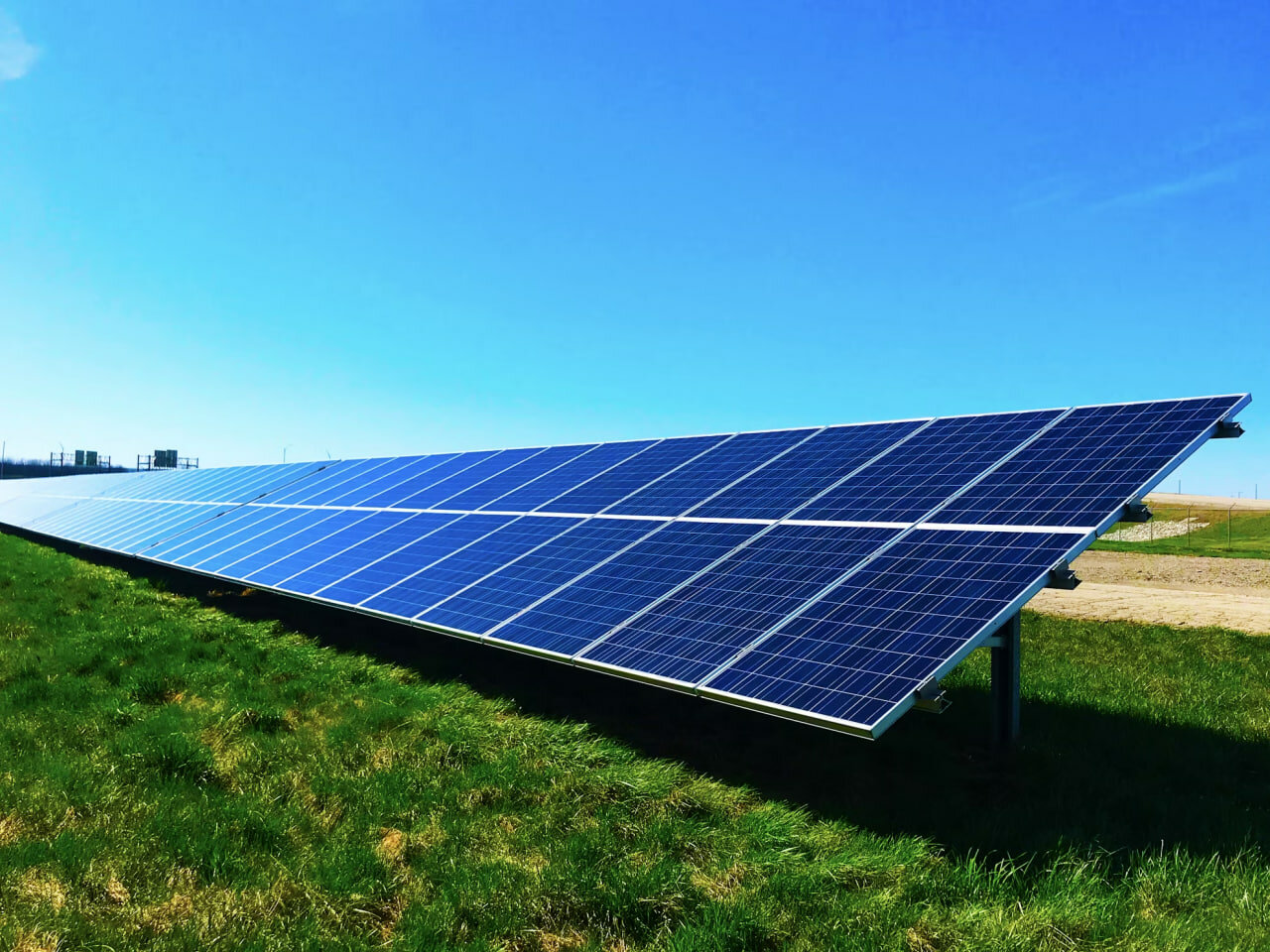
SolarEdge and Summit Ridge are collaborating to deploy U.S.-made solar tech, boosting domestic manufacturing and energy independence.
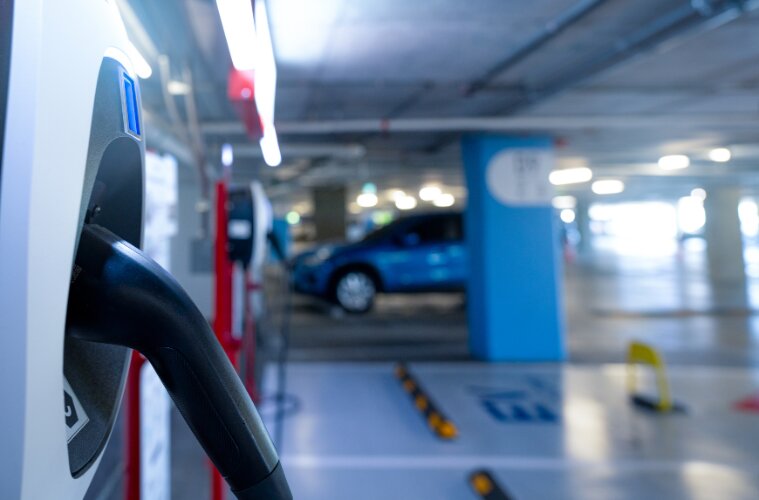
New federal funding supports 49 projects to advance zero-emission transportation, deploying 11,500 EV charging ports and alternative fueling sites.
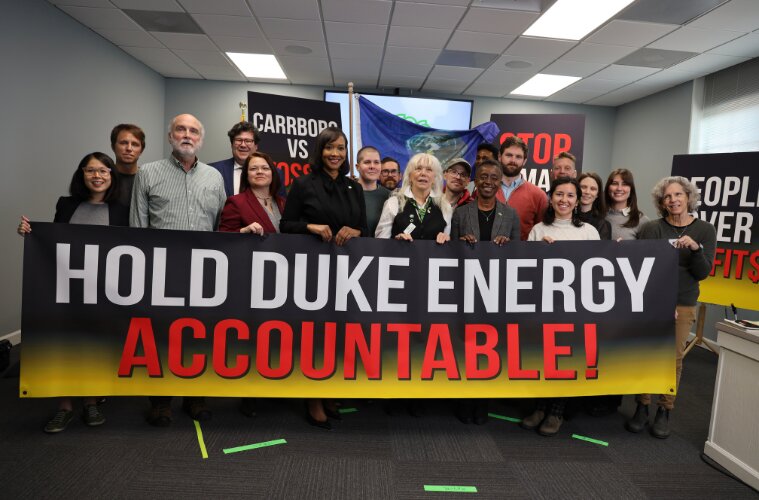
Projections show temperatures could rise 10°F by the century’s end, with 10 weeks of 90°F days yearly in a decade. Carrboro seeks damages for climate-related impacts.
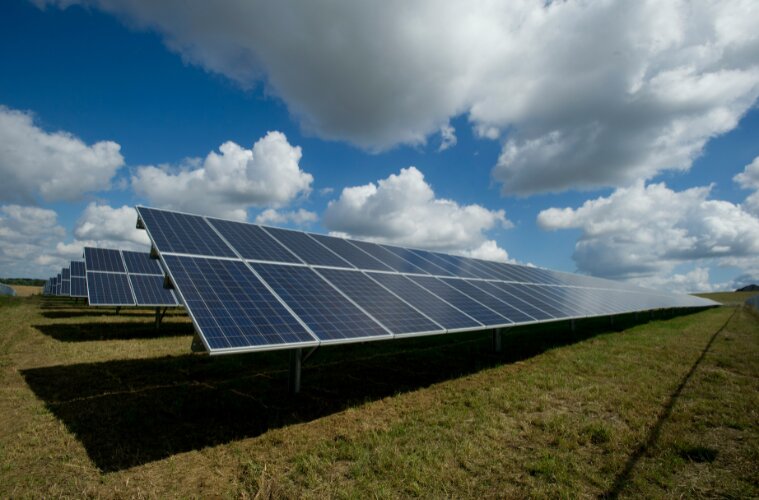
According to the latest US Solar Market Insight Report, domestic solar module manufacturing capacity in the United States has surged to nearly 40 GW by Q3 2024.

Sustainable aviation fuel can cut emissions by up to 80%, yet it accounts for just 0.1% of U.S. jet fuel use.

This breakthrough technology addresses a critical gap in current remediation methods and offers a cost-effective solution for industrial wastewater treatment.
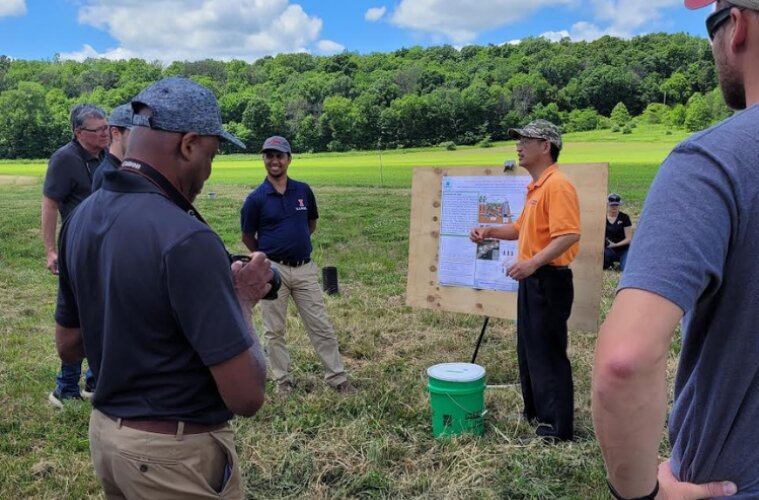
University of Illinois Urbana-Champaign study reveals a new way for farmers to capture excess phosphorus from drainage water and repurpose it as fertilizer.

The EPA’s program targets small public water systems, which often struggle to comply with the Safe Drinking Water Act (SDWA) due to these financial and managerial constraints.