
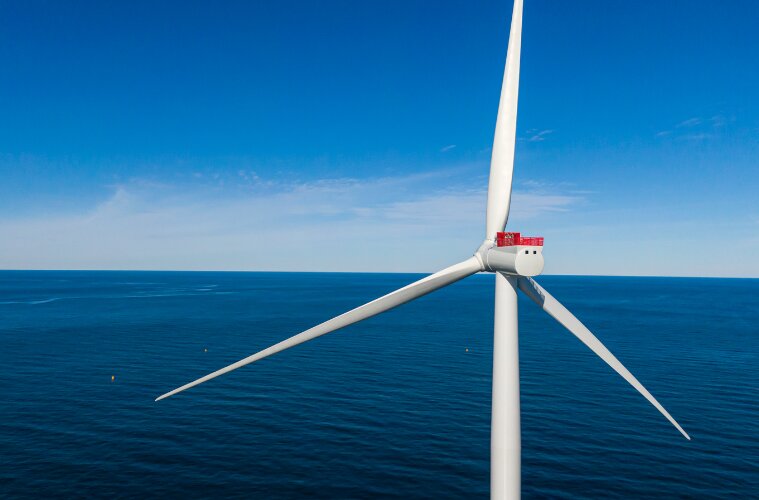
The 2.6-gigawatt wind farm, which will power 660,000 homes, has already reached major construction milestones and remains on schedule.

Governor Hobbs unveils a bipartisan plan to safeguard Arizona’s rural groundwater, ensuring sustainable water use for future generations.
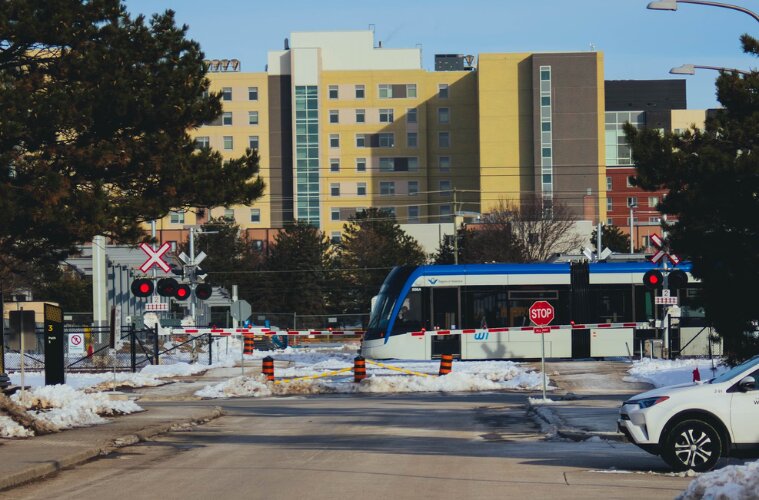
Through the Canada Public Transit Fund (CPTF), Waterloo’s Grand River Transit will receive $71.7 million over 10 years starting in 2026.
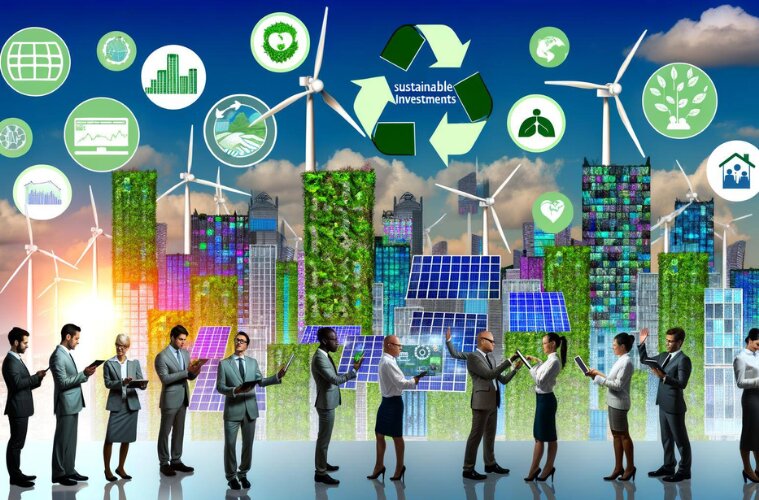
New research shows machine learning can predict clean energy stock trends, but policy shifts under Trump may impact ESG markets and investment strategies.
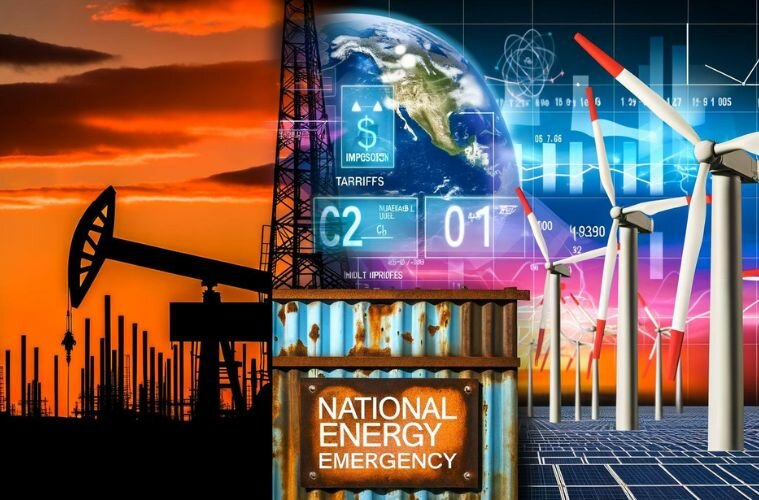
Trump’s policies, court rulings, and global shifts drive major changes in January 2025. Here are the top 10 stories.
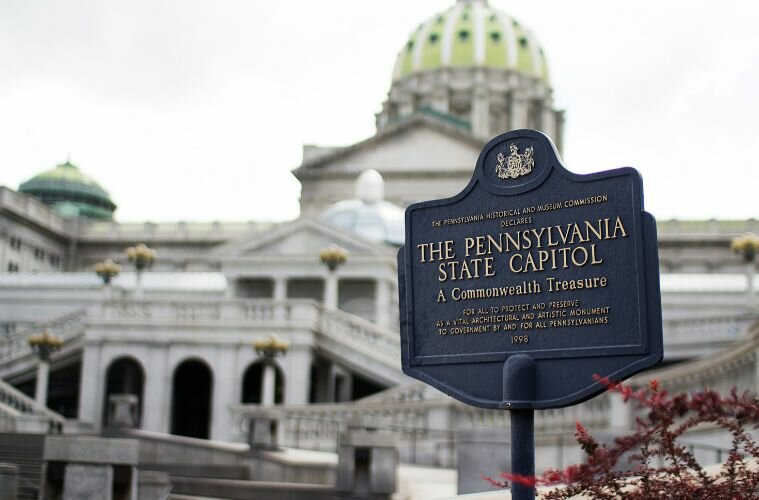
Averting historic price hikes through the PJM agreement and how Pennsylvania’s leadership prevented skyrocketing energy bills.

The Basque Country cut GHG emissions 33% since 2005, but 45% of its raw materials still come from outside the EU.

Morocco is investing $10.7B to expand high-speed rail and urban transit, modernizing infrastructure and boosting connectivity by 2040.
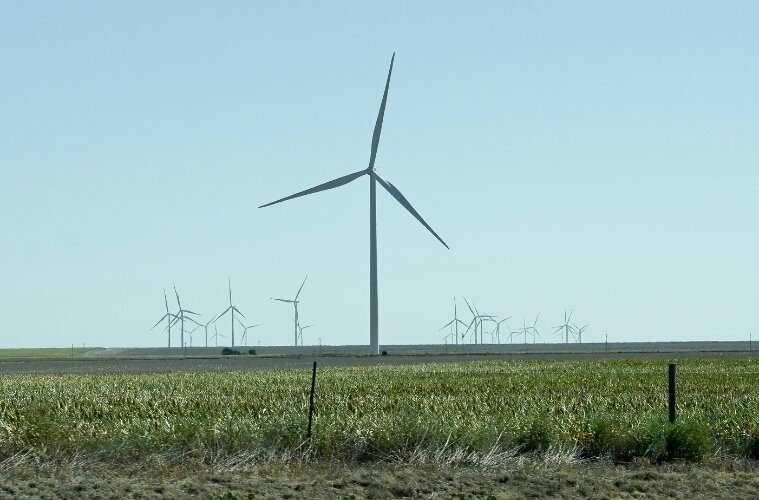
How are rural Texas counties thriving thanks to renewable energy investments?

With 60M Ethiopians still off-grid, ELEAP delivers power to 6.3M people and 19K facilities

Ontario communities are set to receive $222 million annually through Canada’s largest-ever public transit investment.
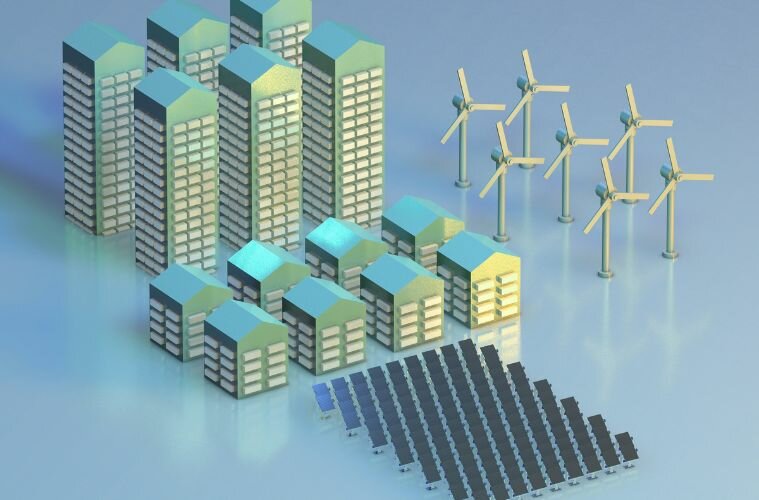
The latest PJM report highlights how the projected 3.1% growth in energy demands will shape infrastructure investments for decades.
Colorado aims to balance economic growth with sustainability through investments in housing, transit, and workforce training.

New tariffs on auto imports could raise car costs by $2,750, cut sales by 1.3M, and jeopardize hundreds of thousands of jobs.

How renewable energy projects are transforming Yemen, providing hope to communities through sustainable solutions and economic empowerment.

Vermont has invested $600M in clean water projects, but challenges like funding gaps and climate change demand greater collaboration and innovation.

Solar micro inverters are driving cleaner, more efficient energy systems as global demand soars. How will advancements and policies shape their future?

Can voluntary coalitions survive in a region where political, legal, and economic pressures have driven even the largest financial players to withdraw?
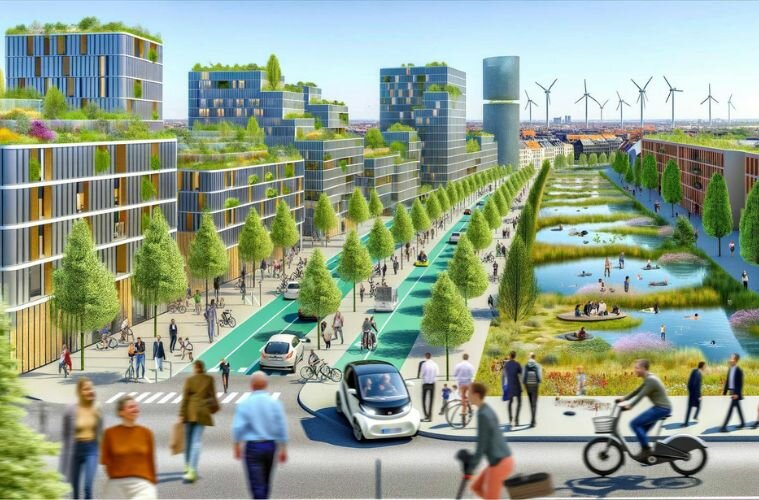
How can tailoring infrastructure solutions to Europe's geographic realities enhance economic resilience and regional equity?
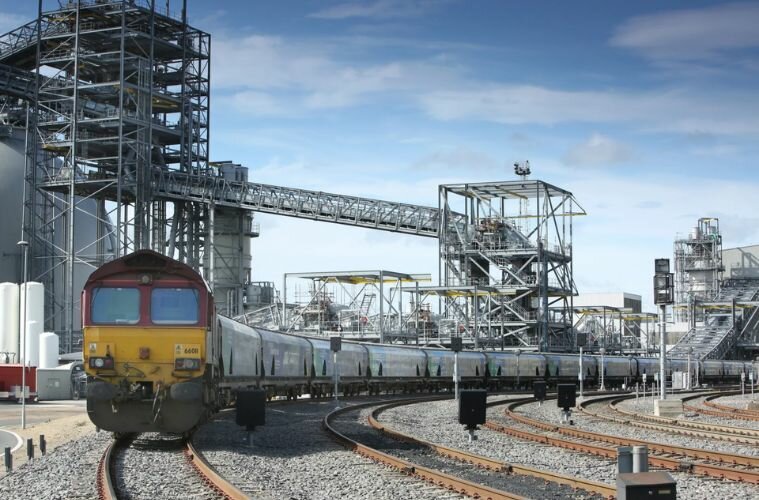
Rail freight offers a sustainable solution to decarbonize UK supply chains, cut CO2 emissions by 76% compared to road transport, and drive economic growth.