

With carbon capture technology emerging as a key component of U.S. energy and environmental policy, the EPA has granted West Virginia the authority to regulate Class VI wells for carbon sequestration.

The bill seeks to provide funding for statewide transportation improvements, but its impact on EV affordability and expansion remains uncertain.

A recent report from Cerulogy warns that without proper safeguards, the expanded use of maritime biofuels could increase global greenhouse gas emissions.

With a £2.5 billion investment and an anticipated completion in 2029, the project promises long-term economic and environmental benefits.

Columbia Climate School launches the first U.S. climate finance master’s, blending climate science with financial expertise for global impact.
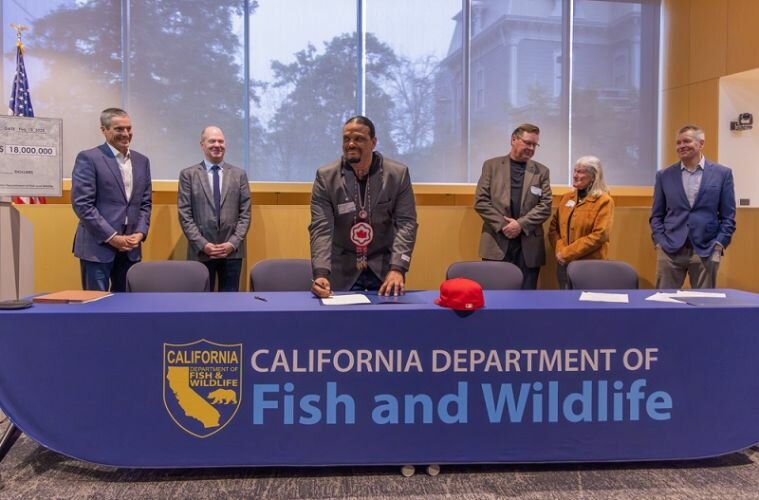
California’s new water agreement will remove dams on the Eel River, restoring fish habitats while ensuring supply for over 600,000 residents.
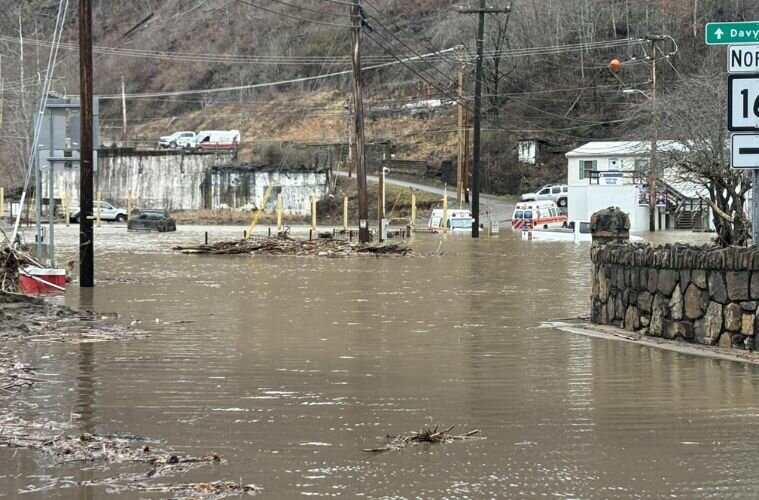
Floodwaters surge across West Virginia, forcing evacuations and emergency declarations in multiple counties.

The Feb 10, 2025, Senate session focused on the Future Made in Australia Bill, sparking debate over tax breaks, corporate favoritism, job security, and transparency.

In 2025, the United States is intensifying its efforts to rehabilitate brownfield sites—properties hindered by the presence or potential presence of hazardous substances, pollutants, or …
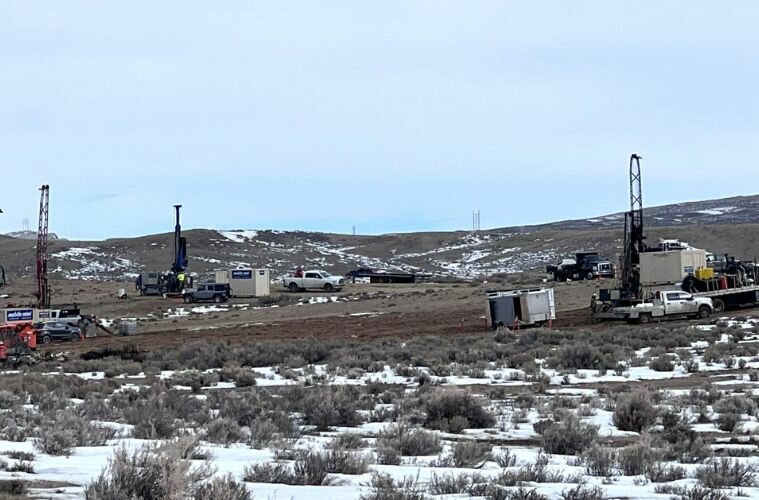
Wyoming’s SF0186 sets new regulations for storing spent nuclear fuel, supporting advanced reactor development and aligning with U.S. clean energy goals.

States, consumers, and corporations clash in 2025’s growing wave of PFAS lawsuits over contamination and public health hazards.
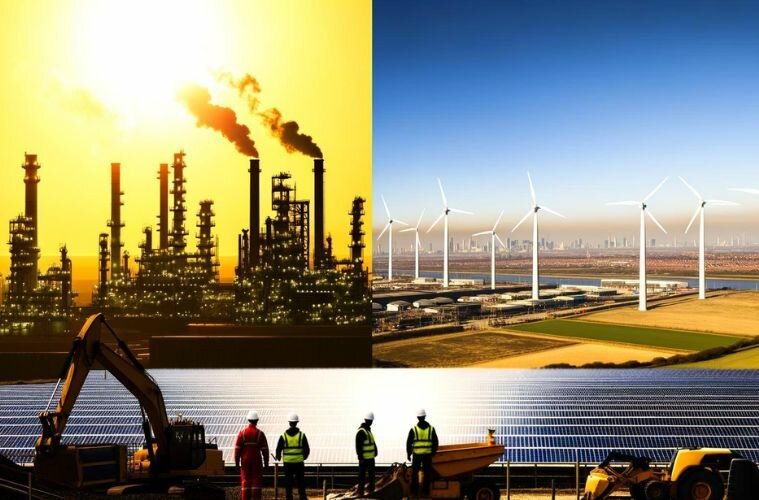
The energy and environmental landscape in the U.S. is changing rapidly, and businesses must decide whether to pivot with deregulation or double down on sustainability.
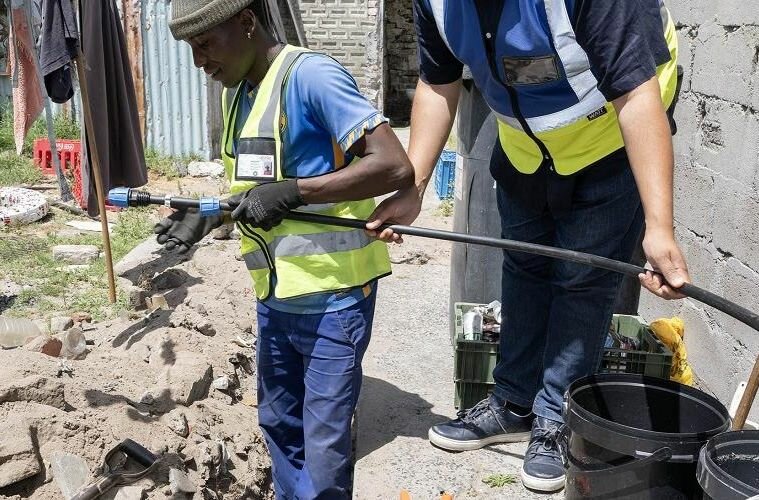
Cape Town is fixing water leaks in indigent homes, saving residents money and preventing waste.

With Trump halting EV programs, cities must adapt or delay clean transportation goals—what’s next for urban mobility?

Azerbaijan, Kazakhstan, Turkmenistan, and Uzbekistan shape energy trade with massive reserves, strategic exports, and growing infrastructure investments.

Engaging with local communities helps ensure that flood prevention efforts are practical, inclusive, and aligned with real-world challenges.

A push to overturn the methane emissions fee could reshape U.S. energy policy—supporters say it’s essential, opponents call it a costly burden.
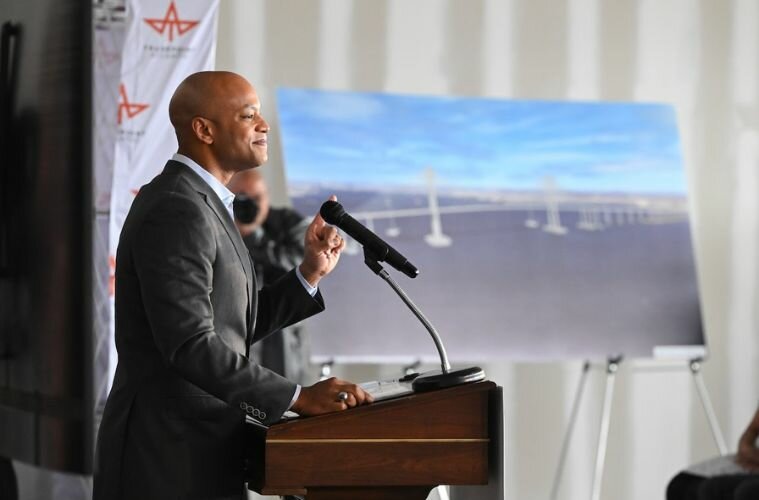
The future is transformation. Maryland’s new Key Bridge design is more than a rebuild—it’s a statement on engineering, resilience, and economic growth.

With Chris Wright at the helm, U.S. energy policy shifts toward fossil fuels—what does this mean for economic growth, security, and climate action?

Sweden has expanded its special export credit guarantee program for Ukraine, increasing available funds by 166% in 2025.