

The Africa-China Centre for Policy and Advisory hosted a high-level green finance workshop in Accra, aligning Ghana’s financial system with climate resilience and sustainable industrialization.
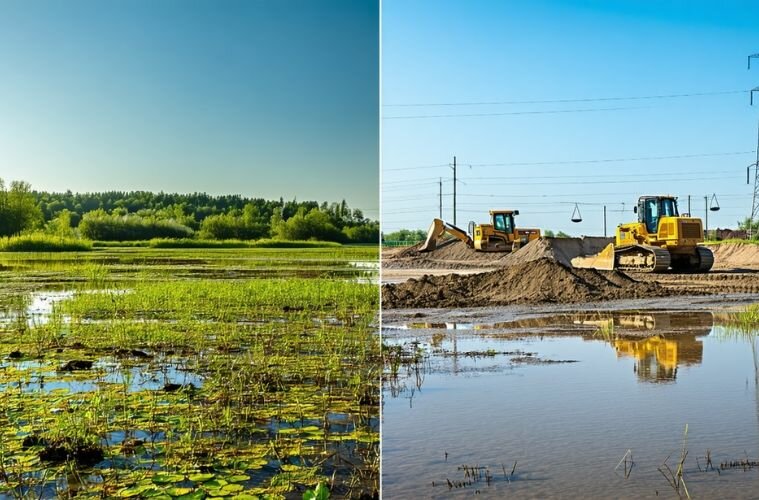
Federal proposal to drop habitat degradation from ESA’s “harm” definition could ease project approvals for water and infrastructure—raising concerns for species protection.

Missouri SB6 would restrict power plant shutdowns unless utilities prove they’ve replaced lost capacity with reliable alternatives, potentially delaying the state’s clean energy transition.

A newly introduced bill in Rhode Island aims to ban products with intentionally added microplastics by 2029 while advancing state-led testing and strategy to address environmental and health risks.

Demand for electricity in the Northwest could double by 2046, according to a new energy forecast from regional experts.
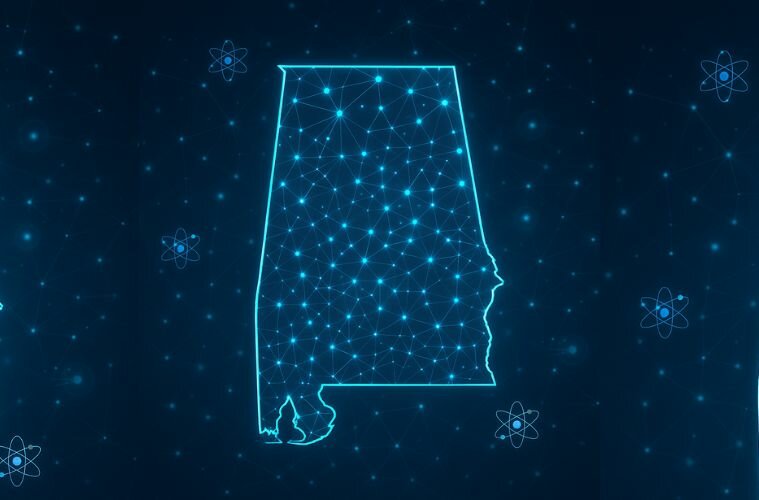
Alabama advances plans to store uranium-233, aiming to drive next-gen nuclear energy innovation, job creation, and private investment in the state.
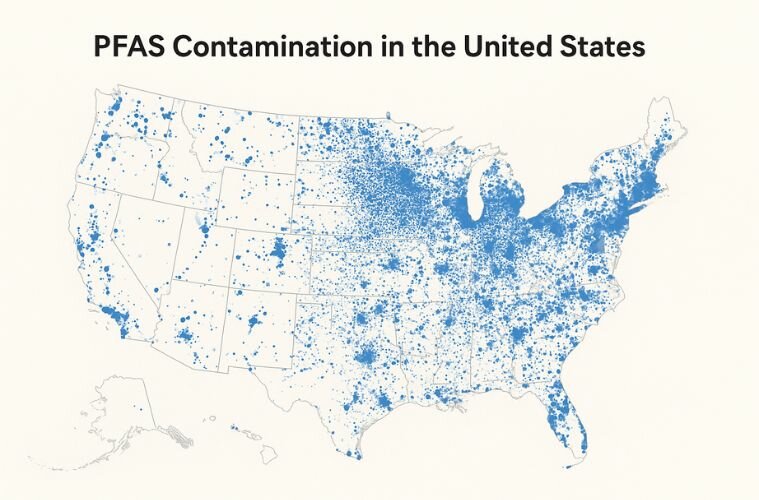
The EPA’s evolving approach to PFAS under Administrator Lee Zeldin blends scientific inquiry, regulatory reform, and polluter liability.

In the wake of recent natural disasters, state leaders across the country are finding that emergency support from the federal government is no longer a given.
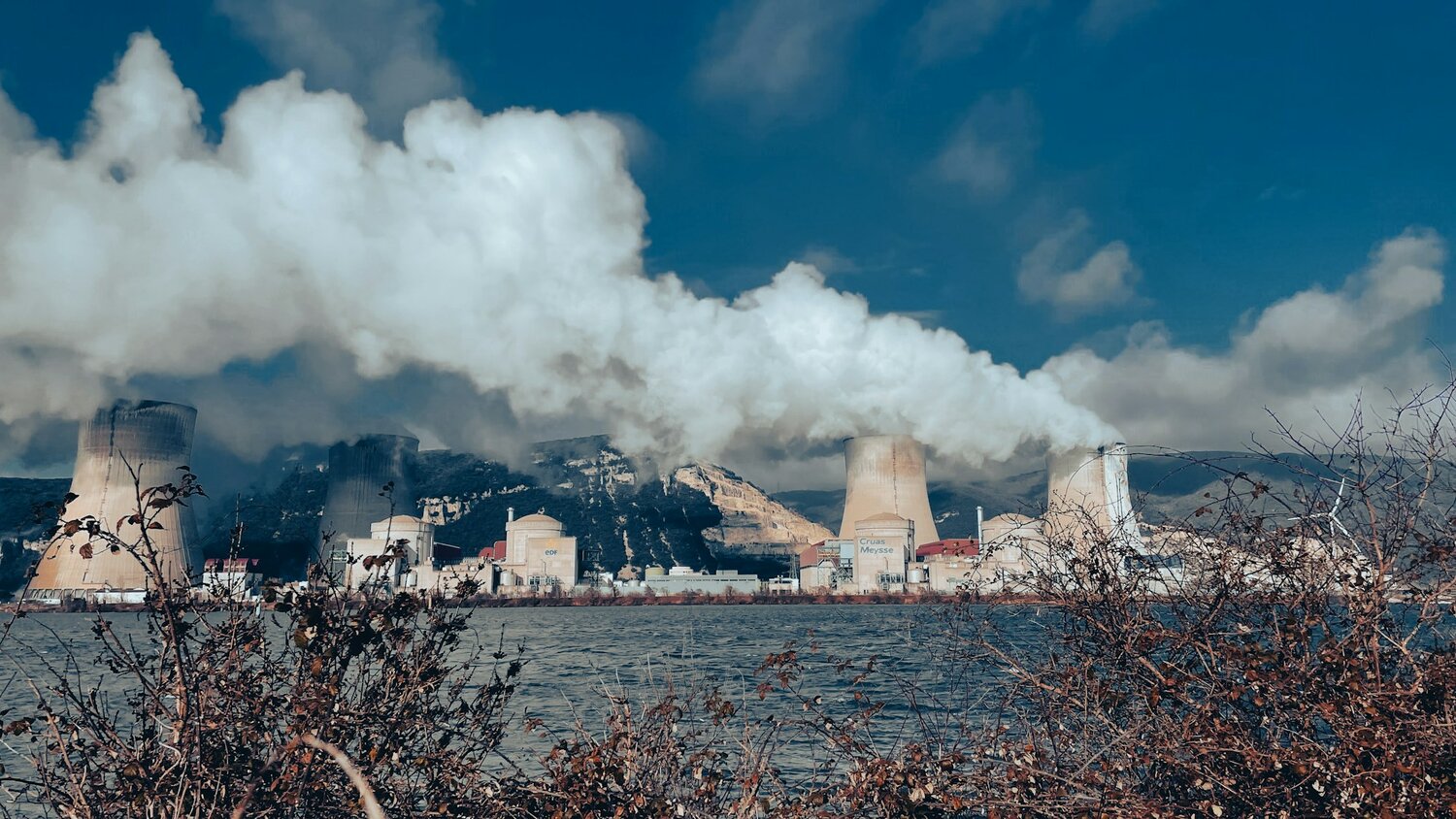
Global nuclear capacity is growing fast, driven by SMRs and energy goals. Asia’s rapid buildout is shifting the power map.
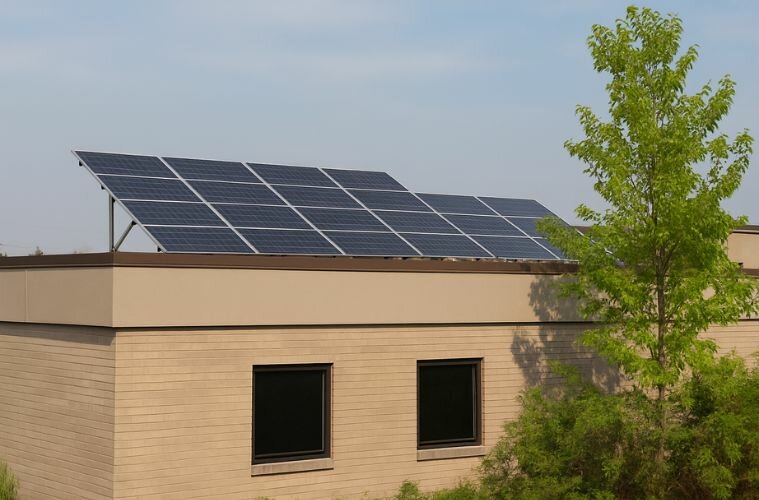
AB 1104 updates California’s renewable energy laws, easing compliance for small businesses installing solar and protecting access to Net Energy Metering programs.
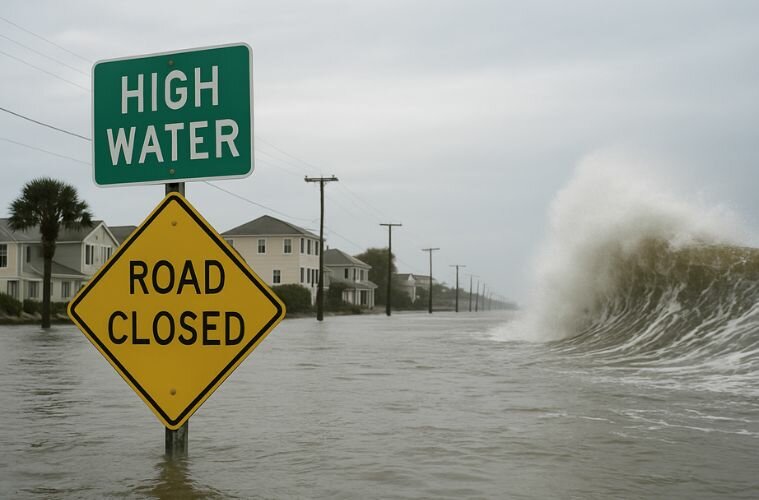
Bipartisan lawmakers introduce the Resilient Coasts and Estuaries Act of 2025 to strengthen coastal resilience, protect ecosystems, and mitigate climate change impacts.
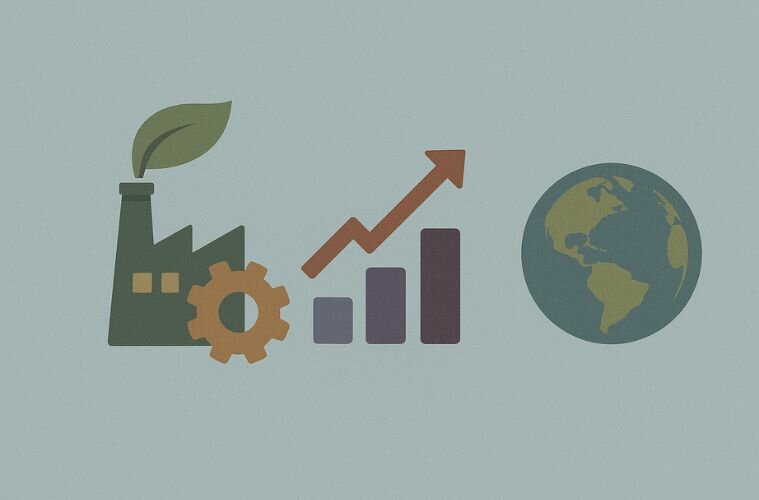
Driven by eco-conscious consumers and accelerated innovation in clean technologies, the global sustainable manufacturing market is set to more than double by 2032, with North America leading and Asia-Pacific emerging as the fastest-growing region.
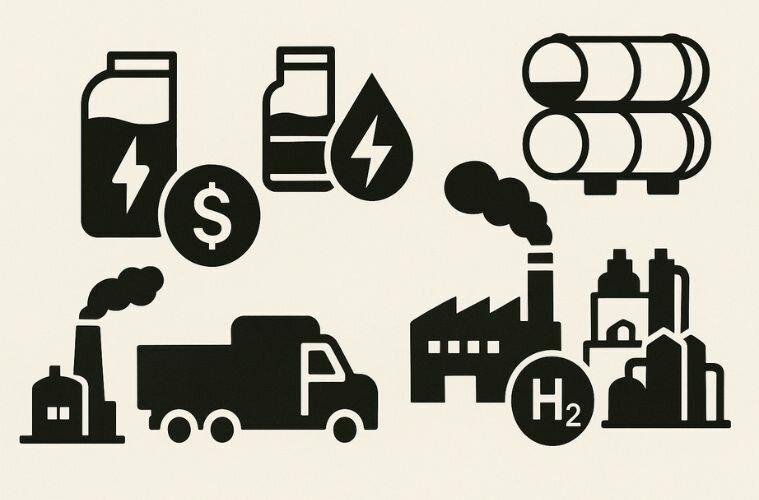
Why America’s hydrogen ambitions must be grounded in science, sector prioritization, and lifecycle emissions data to deliver climate and economic returns.
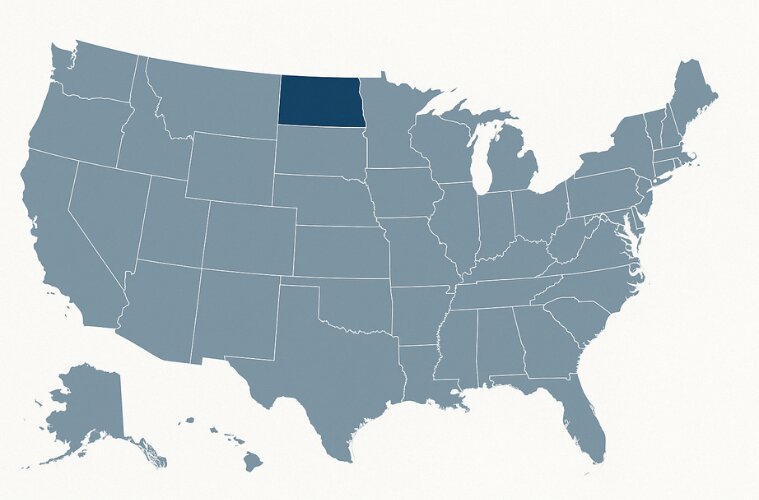
North Dakota authorizes a $600K study on advanced nuclear energy, exploring SMRs, grid readiness, economic impact, and legal feasibility ahead of the 2027 session.
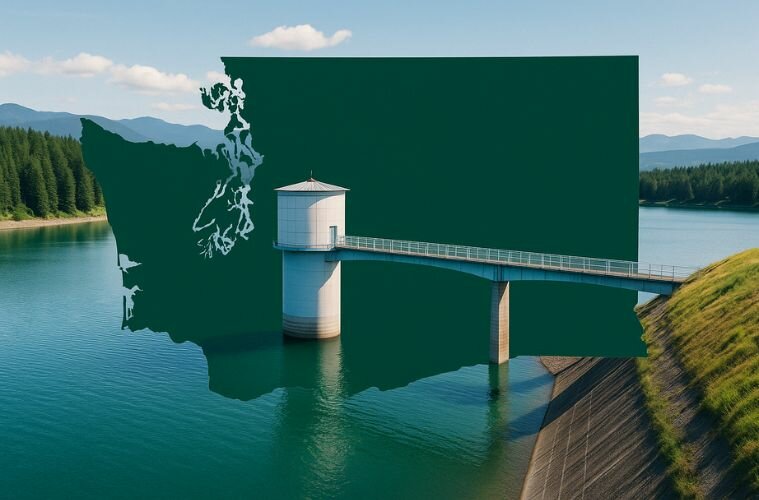
Washington’s HB 1615 updates public water system classifications, eliminating assumptions that burden small providers. Here’s why that change is critical for fair and accurate regulation.
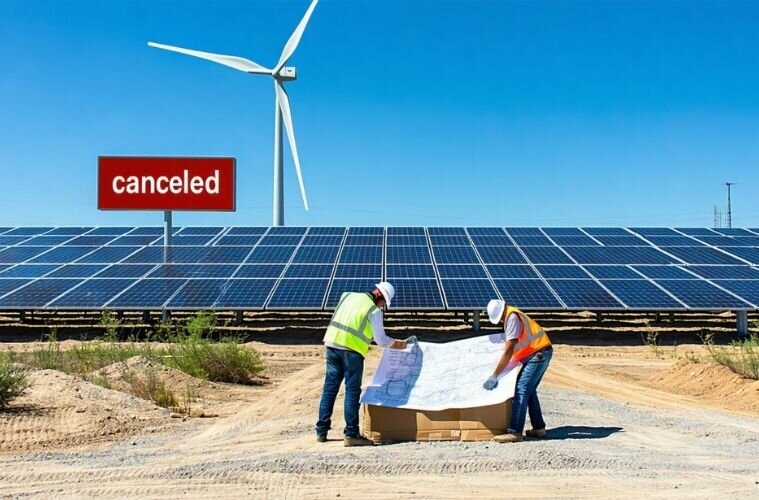
U.S. clean energy faces a major blow as $8B in Q1 2025 investments are canceled, signaling industry uncertainty tied to federal policy shifts.
UK Expands Carbon Credit Trading to Strengthen Green Finance and Business Investment
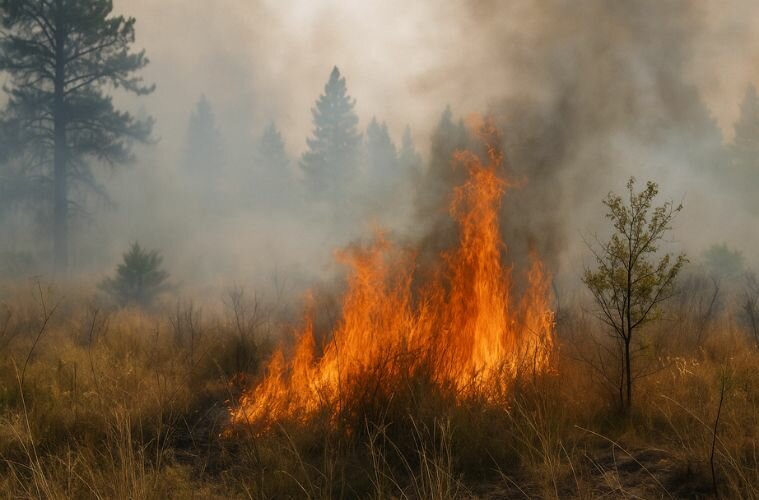
California launches a faster permitting process for wildfire safety projects, building on billions in investments and expanding environmental safeguards.

With the IMO’s new emissions plan, carbon will soon carry a cost for global shipping—net-zero by 2050 is now the goal.

Hawaii Legislature passes resolution urging alignment with the UN Plastics Treaty and Rapa Nui Declaration to combat plastic pollution and protect marine ecosystems.