

Connecticut's PURA approved a 14% residential rate decrease for Eversource and United Illuminating customers effective May 1, driven by nuclear contract savings and lower public benefits charges.

EPRI and EV Charging POD experts reveal why interconnection timelines, on-site generation, and data gaps are slowing electric vehicle infrastructure.

Grid constraints aren't only about regions that need more power. States generating surplus renewable energy they can't export face a different but equally real access problem.
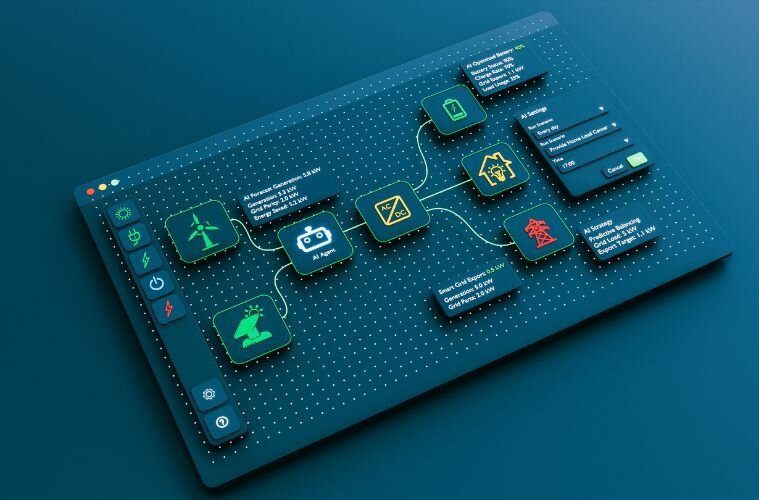
The EU's AccelerateEU plan responds to the Strait of Hormuz closure with fuel, grid, and clean energy actions that affect companies with European operations.

China’s zero-tariff policy for African imports removes barriers, but infrastructure, financing, and production gaps may limit real trade transformation.

NGO scorecards and ESG rating agency methodologies have quietly become business risk infrastructure. Most sustainability teams don't know how they're being scored.

EPA finalized new pesticide limits today, but a January 2026 analysis of 700 tolerance decisions found the agency applies its child safety factor only 15% of the time.

UNSW's new $5 million research hub aims to prevent a supply chain crisis by tackling Australia’s fast-approaching solar waste problem and accelerating recycling infrastructure.

Data centers using 20 megawatts or more would need state approval, decade-long grid contracts, and quarterly water reporting under Vermont's new bill.

Trump is setting aside a diplomatic rift with South Africa to protect one thing — U.S. access to rare earths.

For facilities and energy managers evaluating long-term heating and cooling strategies, state incentive program activity is worth tracking more closely than it often gets.

Texas AG Ken Paxton has issued a civil investigative demand to Lululemon over PFAS in its apparel, signaling broader enforcement pressure on consumer brand supply chains.

North Carolina is directing $215 million to 66 water infrastructure projects, with most funds rebuilding systems damaged by Hurricane Helene.

Maine voted 21–13 to ban permits for data centers drawing 20MW or more through 2027 while a new state council evaluates grid and ratepayer impacts.

59% of executives admit overstating sustainability efforts. The gap between public claims and verifiable data is now a live enforcement risk for C-suites.

After more than 15 years of effort, Ghana has officially designated a 703-square-kilometer marine protected area at Cape Three Points to address fisheries collapse and food security.

Spokane's proposed cooling ordinance would require landlords to maintain bedrooms below 80°F by 2031, building on Washington state's new portable cooling law.

BlackRock and others are embedding transition credibility into credit assessments. With $1T in corporate debt maturing in 2026, environmental commitments now carry financial risk.

Lawmakers push to preserve LIHEAP funding as energy costs rise, warning millions of households face growing utility affordability challenges.

EPA approves carbon storage permits in Kansas and Illinois, advancing CO₂ sequestration projects with long-term monitoring requirements.