

Scope 3 is no longer a reporting exercise. It is becoming a procurement filter — and the window to catch up is closing faster than most suppliers realize.

Underwriters are using real-time data, asset age, and climate models to reprice freight infrastructure risk. Most operators aren't managing to the new standard.

Strikes on Gulf ports and the Strait of Hormuz are throttling oil, LNG, and freight movement. Here's what operations and procurement leaders need to know now.

New refrigerant rules are live, HFC costs are rising, and cold chain emissions are absent from most decarbonization roadmaps.

SNE Research projects the global fuel cell electric vehicle market will grow from 16,000 units in 2025 to 3.03 million by 2040, led by commercial trucks and buses.

The mandate is real. The power to meet it isn’t — not yet, and not on the same schedule.

Aptera has produced its first vehicle on a validation assembly line. The milestone signals a shift from prototype builds to structured manufacturing.

The DAF is testing a 250-kilowatt multi-fuel linear generator capable of running on six fuel types — a prototype effort to eliminate single-fuel dependency at military installations.

Here's the part of the decarbonization story that doesn't get enough attention: many companies have already approved the investment — and it still isn't moving.

Honolulu Airport has introduced three electric Wiki Wiki trams. The service-based upgrade lowers emissions and modernizes daily operations.

FlexGen updates HybridOS as storage takes a larger grid role. The release sharpens control, uptime, and revenue capture for complex assets.

Controlled fire whirls may change how offshore spills are tackled. Tests show faster burns, less soot and up to 95% fuel removal.

Uneven enforcement of PFAS standards, methane rules, and climate disclosure laws is increasing financial and insurance exposure.

Aging systems, climate stress, and rising energy demand are exposing gaps in enterprise risk models built for isolated infrastructure failure.
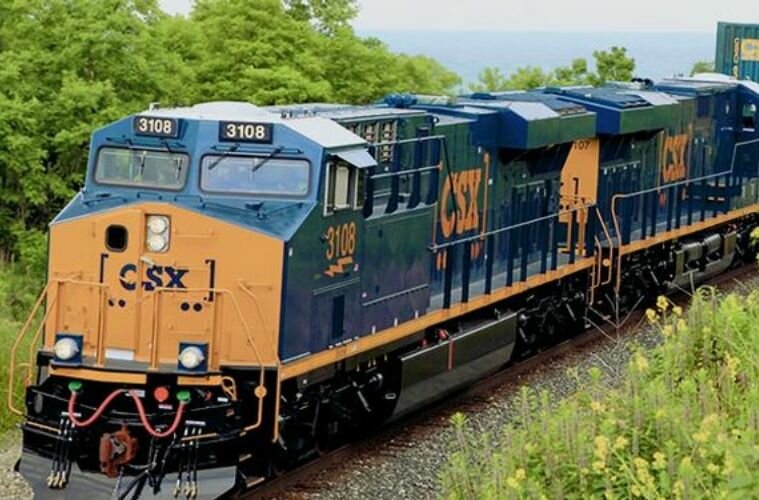
The $670M deal will upgrade locomotives with AC traction and digital systems to improve reliability, fuel efficiency, and rail network performance.

The construction industry is heading into 2026 with solid demand but real pressure. Firms that plan early and build resilient systems will stay competitive.

Short drone videos and wave analysis now enable fast, affordable current tracking. This new method skips radar and buoys—just video, math, and real-time insight.

When capacity tightens, supply chains don’t fail evenly. Platforms, contracts, and embedded rules increasingly decide who gets priority—and who waits.

Supply chain tech investment is rising, but reliability is getting harder to assume. New research shows why digitized networks can fail faster when physical constraints hit.

Logistics reliability is emerging as a board-level risk as supply chains face physical limits, delivery failures, and growing exposure across operations, finance, and governance.