

More than £7bn is committed to UK batteries, but serious supply-chain gaps persist. Refining, factory delays and 2035 demand could test the sector’s next phase.

Diesel prices, freight surcharges and tariff adjustments can change costs after a bid is signed, so procurement teams should check the contract mechanics.

A temporary 500 MW transformer could give Rotterdam port companies earlier grid access, but capacity, eligibility and connection dates remain unconfirmed.

New Army systems can transport 9,000 gallons of fuel, test fuel quality in the field and improve digital supply visibility as military logistics modernize.

Peabody moved Wyoming coal to Vietnam through Mexico's Port of Guaymas, testing a Pacific export route that still lacks disclosed costs or contracts.

K Shipbuilding and Lloyd's Register are developing a 50,000 deadweight ton ethanol fueled tanker, testing whether ethanol can work for medium range routes.

Major truck and energy companies are coordinating hydrogen vehicles, fuel and stations in Germany. The goal is broader heavy-duty deployment by 2030.

Ten-Nine is scaling its TENIX battery additive for commercial use. The material aims to extend cell life and reduce heat without redesigning batteries.

Yara's new Sluiskil carbon capture facility can handle 800,000 tons of CO2 annually, linking Dutch ammonia production with Norwegian storage.

Higher 2027 engine costs and limited remaining 2026 production are forcing fleet operators to rethink replacement timing and equipment budgets.

Parking garages are often overlooked in sustainability planning, despite major embodied-carbon and cost impacts. Here’s why developers should audit them early.

California SCR 180 advances toward a final Assembly vote, backing carbon-intensity standards for hydrogen use across hard-to-electrify industrial sectors.

EPS is expanding Orca AI across dozens more vessels after a pilot reduced close encounters. The wider rollout will test whether those gains hold at fleet scale.

Ocean freight contracts are increasingly passing bunker, emissions and regulatory fuel costs to shippers through adjustable surcharges and formulas.

Denver Public Schools is adding 25 electric buses as grant funding shifts the fleet decision from upfront cost toward long-term operating economics.

EU regulators approved $334 million (€290 million) for Dutch sustainable aviation fuel plants, backing technologies beyond conventional biofuels.

Flatbed demand tied to data centers and energy projects has surged, adding transportation risk after transformers and other equipment leave the factory.

European BEV registrations topped 1.2 million in the first half of 2026. The next challenge is scaling charging, grid capacity and policy support across Europe.
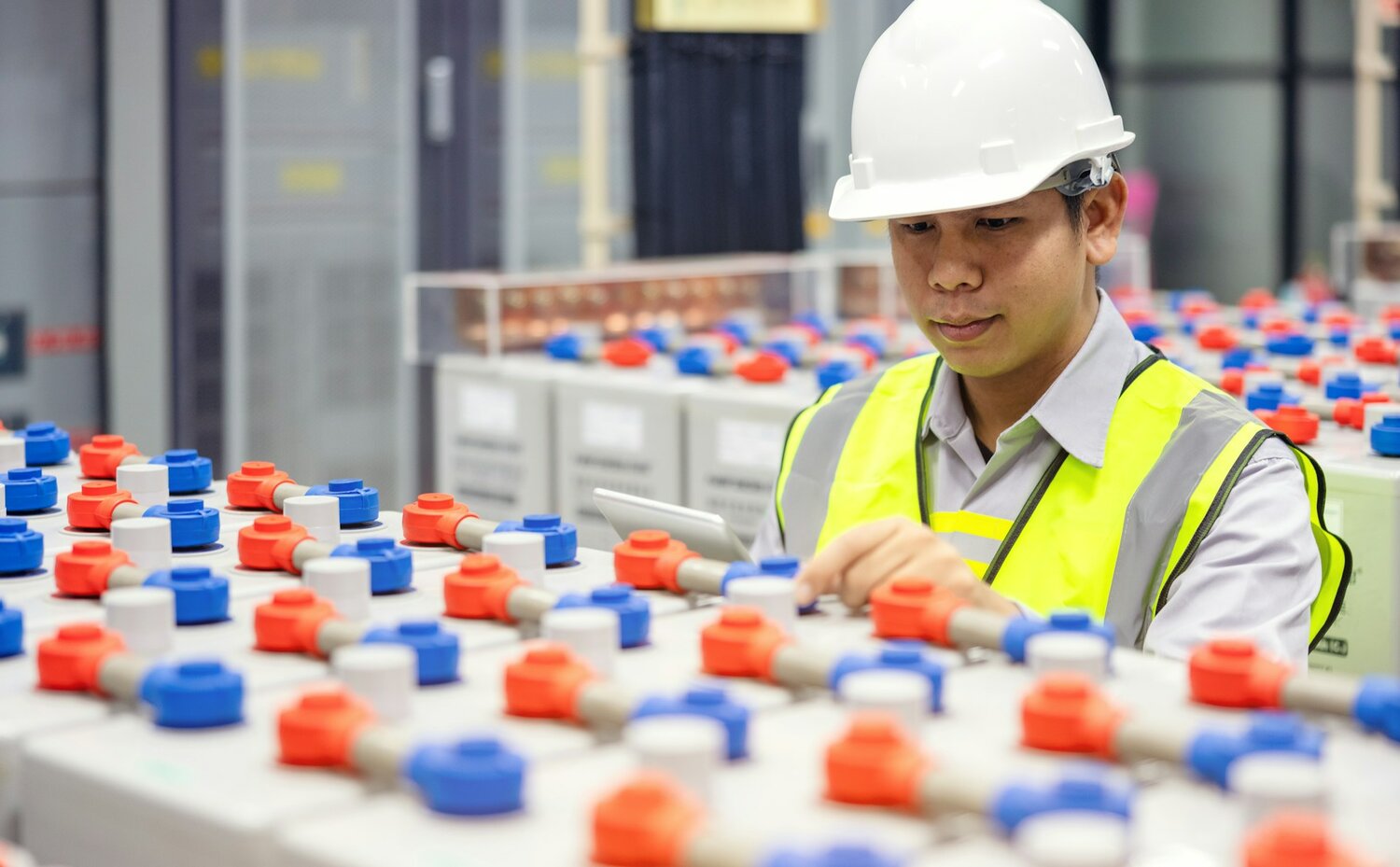
Stryten plans to acquire C&D Technologies and Trojan Battery. The new deal would expand U.S. production and reach across mobility, data center and backup power.
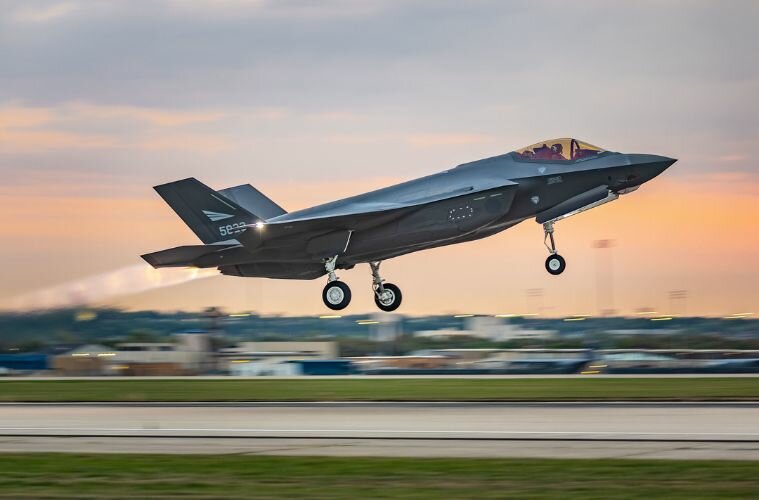
NATO's new 5% GDP spending target could add millions of tonnes of emissions yearly, an SGR analysis finds, as the alliance's own climate targets stall.