

As aging systems converge, maintenance backlogs are creating capital risk, execution constraints, and valuation pressure.

A new hydrogen sensor improves accuracy in high humidity by using water vapor in its detection process. It’s a practical step forward for hydrogen safety.

Water is no longer just an infrastructure issue. A new national strategy frames water security as central to U.S. economic growth and competitiveness.

A building materials manufacturer was fined more than $800,000 after investigators found prior near misses were ignored before a life-changing injury at a production facility.

The invisibility of infrastructure stress creates a disconnect between operators and decision-makers.

Incident-free performance can hide growing infrastructure stress. Lagging risk indicators often mask degradation, shrinking margins, and rising exposure before failure occurs.

A new assessment of Odisha’s power system shows how repeated cyclones expose infrastructure vulnerabilities, recovery limits, and the role of operational preparedness in resilience.

Operations leaders face tighter tradeoffs, higher risk, and less flexibility as margin disappears.

Facilities teams are being pushed to meet modern performance demands with infrastructure designed for a different era.

A hydrogen air heater is now live at an industrial site in Offenbach. HYTING’s system tackles heat spikes without combustion or costly electric upgrades.

The construction industry is heading into 2026 with solid demand but real pressure. Firms that plan early and build resilient systems will stay competitive.

NYPA’s AGILe joins DOE’s grid test bed inventory, expanding national access to system-level grid testing and digital twin capabilities.

Utah’s SB 231 shows how states are using tax policy to manage large electricity loads as infrastructure strain intensifies.

Building upgrades are moving faster than grid and water infrastructure can expand—creating a growing capital risk few models fully capture.
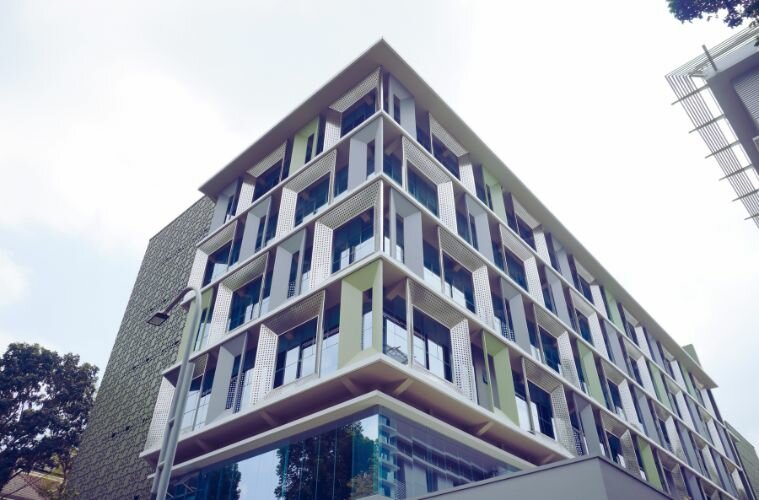
As buildings electrify and demand shifts, facilities teams are encountering infrastructure limits that were never designed to absorb today’s loads.

Mainland China, India, and Canada emerged as the top three markets for LEED certification outside the United States in 2025.

Energy availability and interconnection risk are forcing organizations to evaluate power feasibility earlier as execution timelines collide with infrastructure constraints.

Energy availability is reshaping project schedules, forcing organizations to reorder decisions and approvals earlier as execution timelines collide with power constraints.

TeraWulf’s Kentucky and Maryland acquisitions add 1.5 GW of capacity, reflecting how power availability and grid integration are reshaping data infrastructure development.

Rising electricity demand and grid constraints are forcing planners to re-center firm power in reliability strategies as flexibility and efficiency alone prove insufficient.