
Ecocem joins with TITAN to cut CO₂ emissions from cement production by 70%. The partnership begins in Greece with global rollout potential.
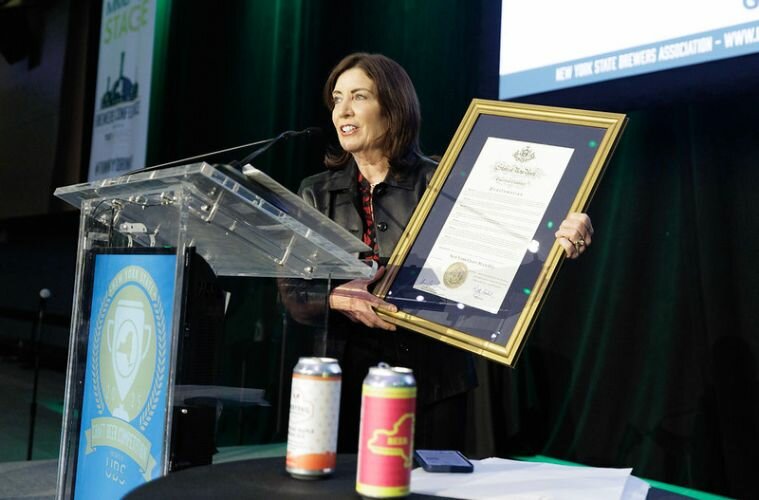
New York celebrates Craft Beer Day, spotlighting 500+ breweries supporting 22,000 jobs and $4.8B in economic impact across the state.

Ukraine secures over $327M to rebuild its energy sector, with EU and partner support targeting resilience, renewables, and green infrastructure.
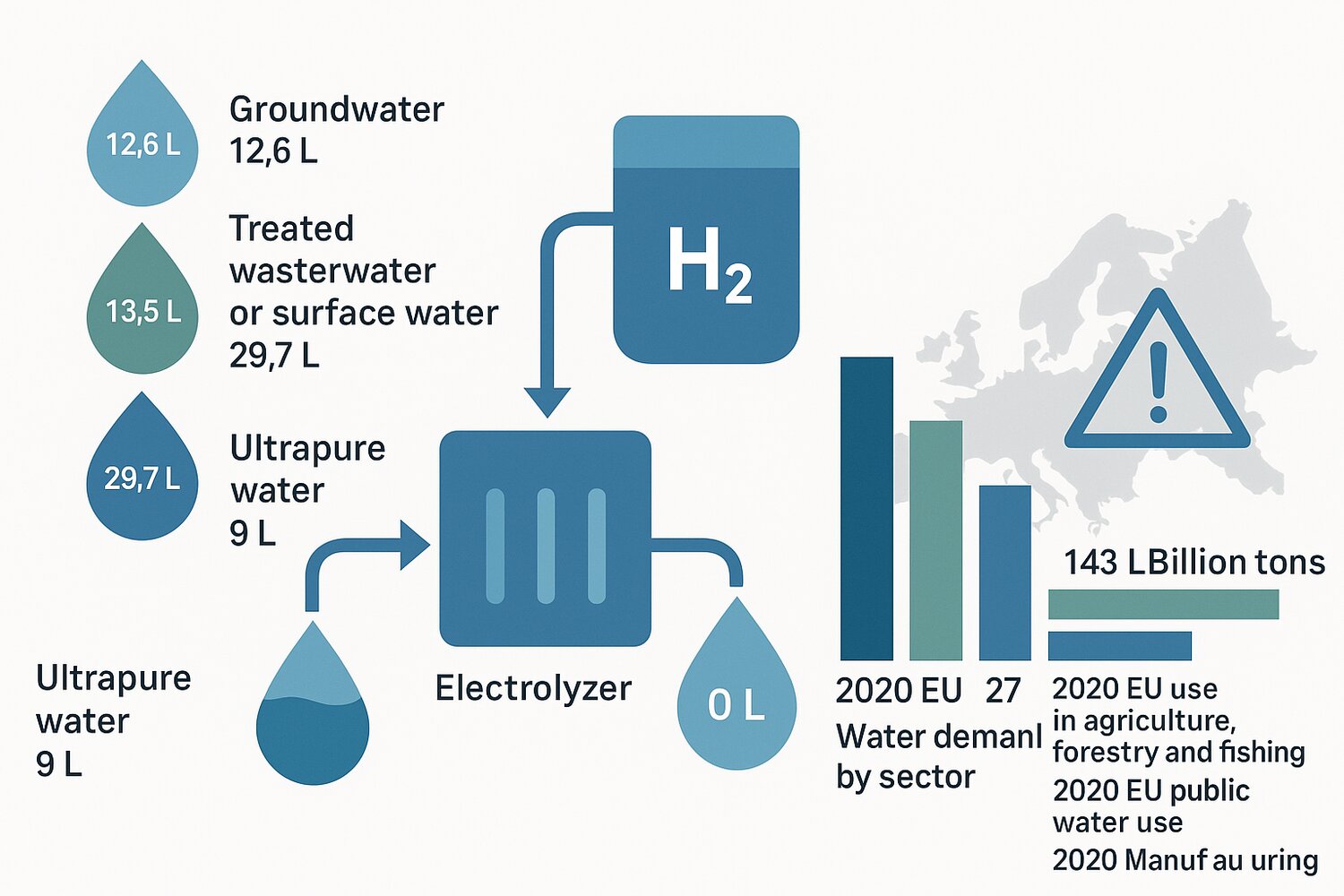
Hydrogen’s water use is minimal compared to other fuels, but permitting delays and regional water access challenges could slow green hydrogen development.
The Narwhal asks, which is worse for the climate—coal or liquefied natural gas? After a study found LNG is worse than coal, internal docs show the Government of Canada pushed back.
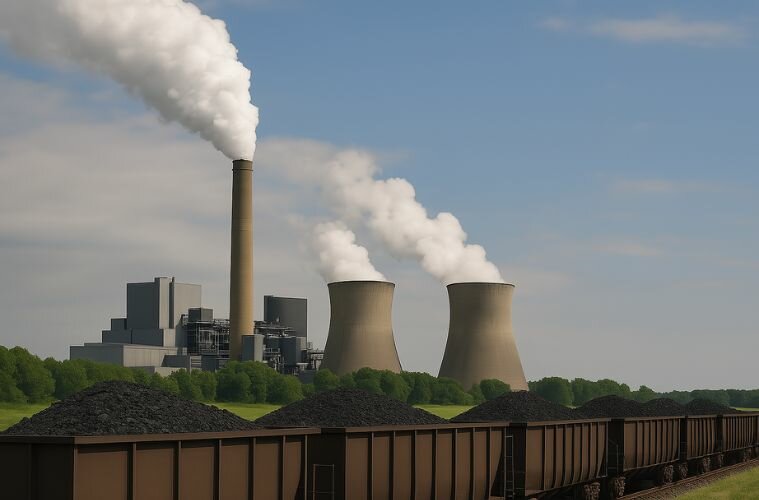
As federal energy policy pivots toward coal, companies face new hurdles balancing sustainability goals, stakeholder expectations, and compliance.
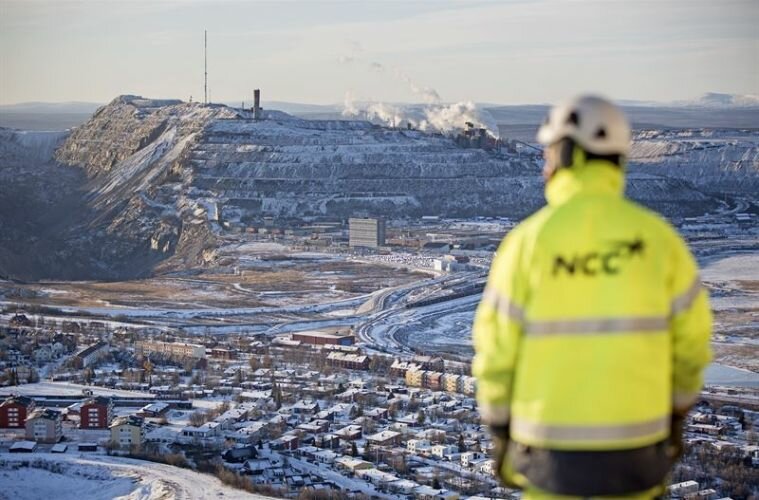
The initiative, led by NCC, will centralize 16,000 tons of annual waste—including large volumes of metal and iron scrap—on a 40,000-square-meter site designed for sorting, recycling, and hazardous material handling.
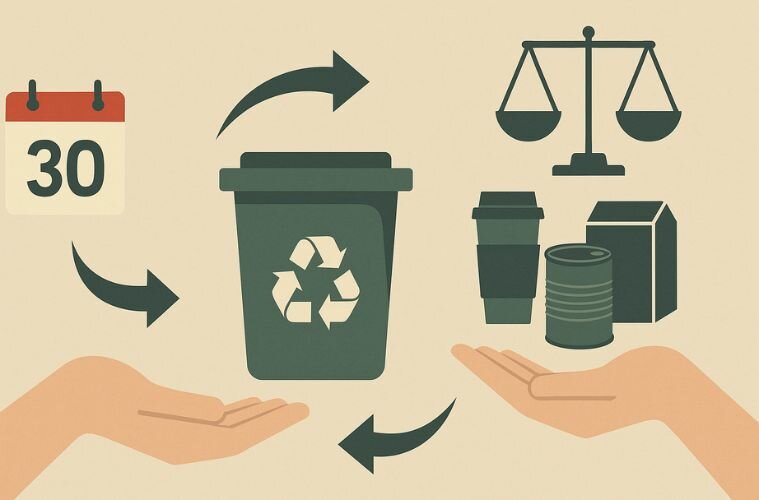
Producers have until April 30, 2025, to align with Oregon’s EPR program or face potentially steep consequences.
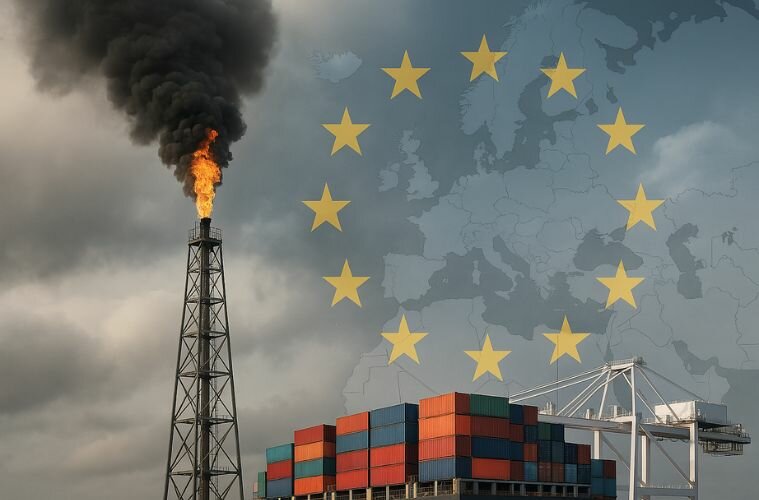
As reporting deadlines hit, the EU’s methane rule is shifting from policy to pressure point—forcing global energy suppliers to prove compliance or risk exclusion.
By integrating its proprietary Circular Design Metrics, DS Smith is enabling customers to quantify improvements, benchmarking material reduction, recyclability, and overall environmental performance.

Data centers are fueling AI, CleanTech, and more—but rising energy use and grid strain raise urgent questions about their future sustainability and resilience.

Reno is overheating. A new analysis shows it leads the nation in warming, prompting a citizen-led effort to map and cool urban heat hotspots.

Retailers in 2025 face rising pressure to modernize return policies. AI, tariffs, and sustainability are shifting customer expectations.
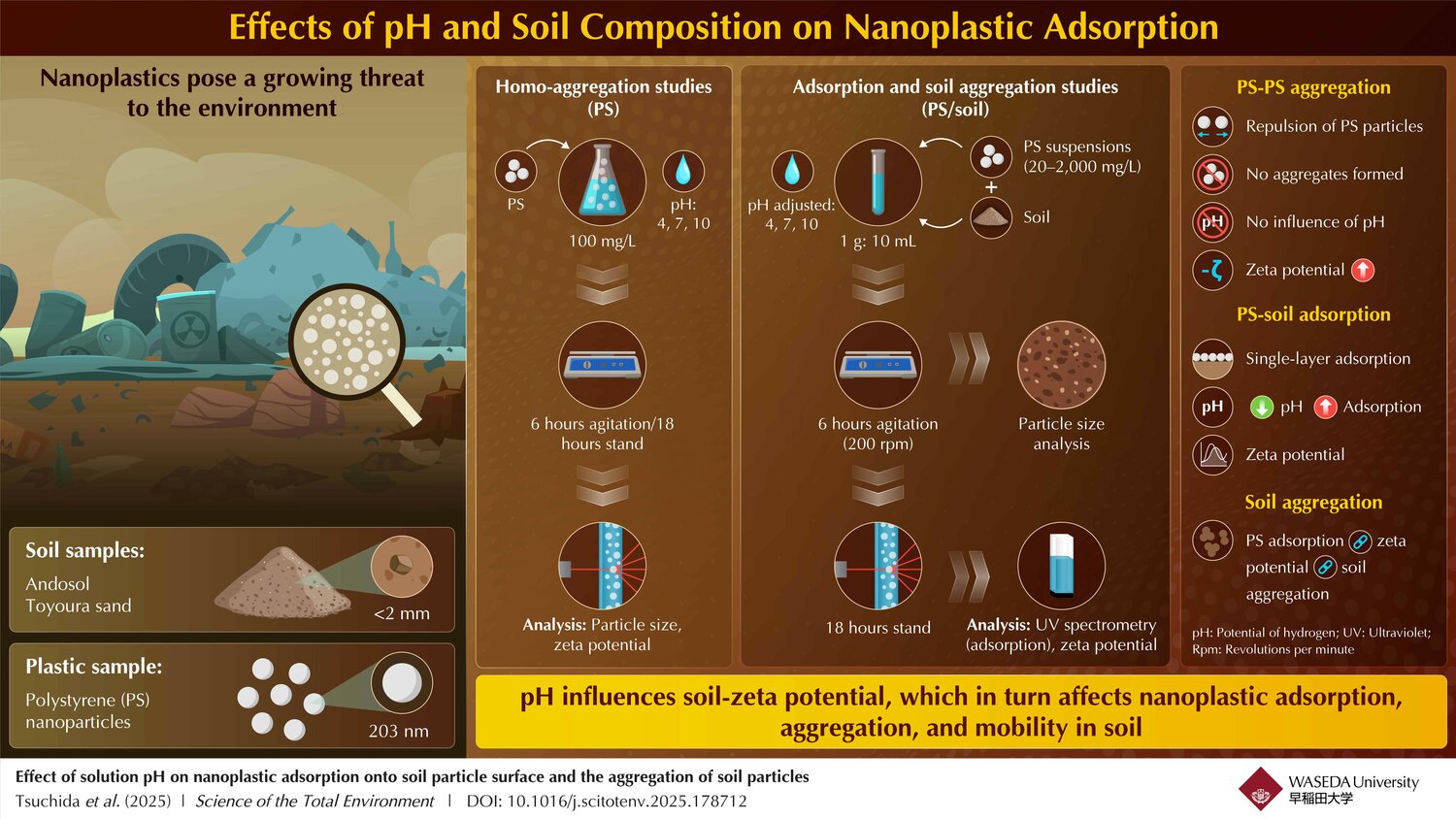
Soil composition and pH play key roles in nanoplastic movement. Findings may guide pollution control and improve remediation strategies.

Goats are helping cities like Pittsburgh and Toronto control invasive plants, reduce herbicide use, and restore ecosystems—naturally and effectively.

Yupik community seeks UN help as Cold War military sites in Alaska continue to leak toxic waste and threaten Indigenous health.
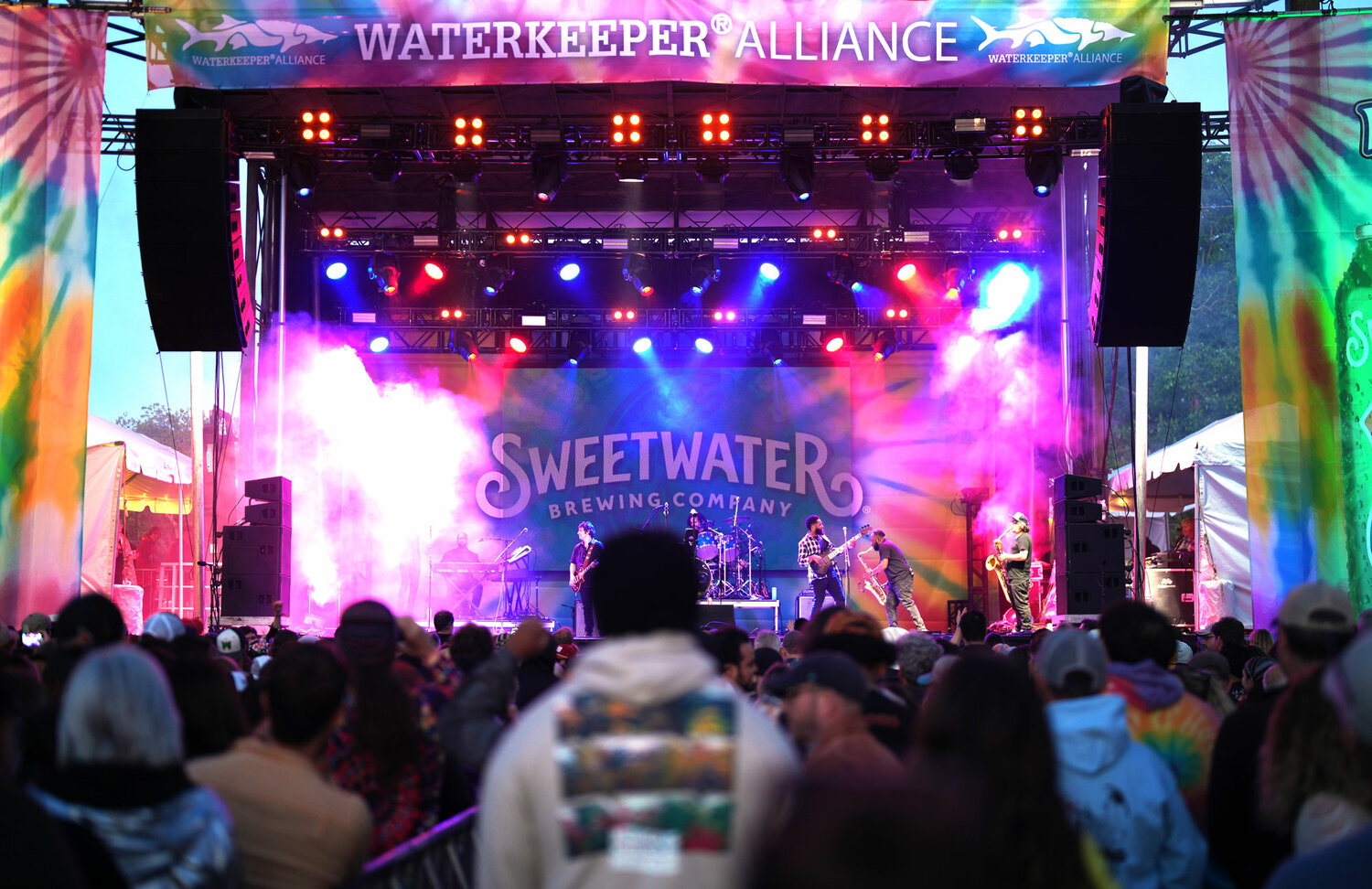
SweetWater Brewing’s 420 Fest returns in April 2025 with expanded sustainability efforts, including zero-waste goals, energy offsets, and recycled-can homebuilding.

A new analysis shows climate models may underplay economic risk by ignoring global weather patterns. GDP losses could be far greater than expected.
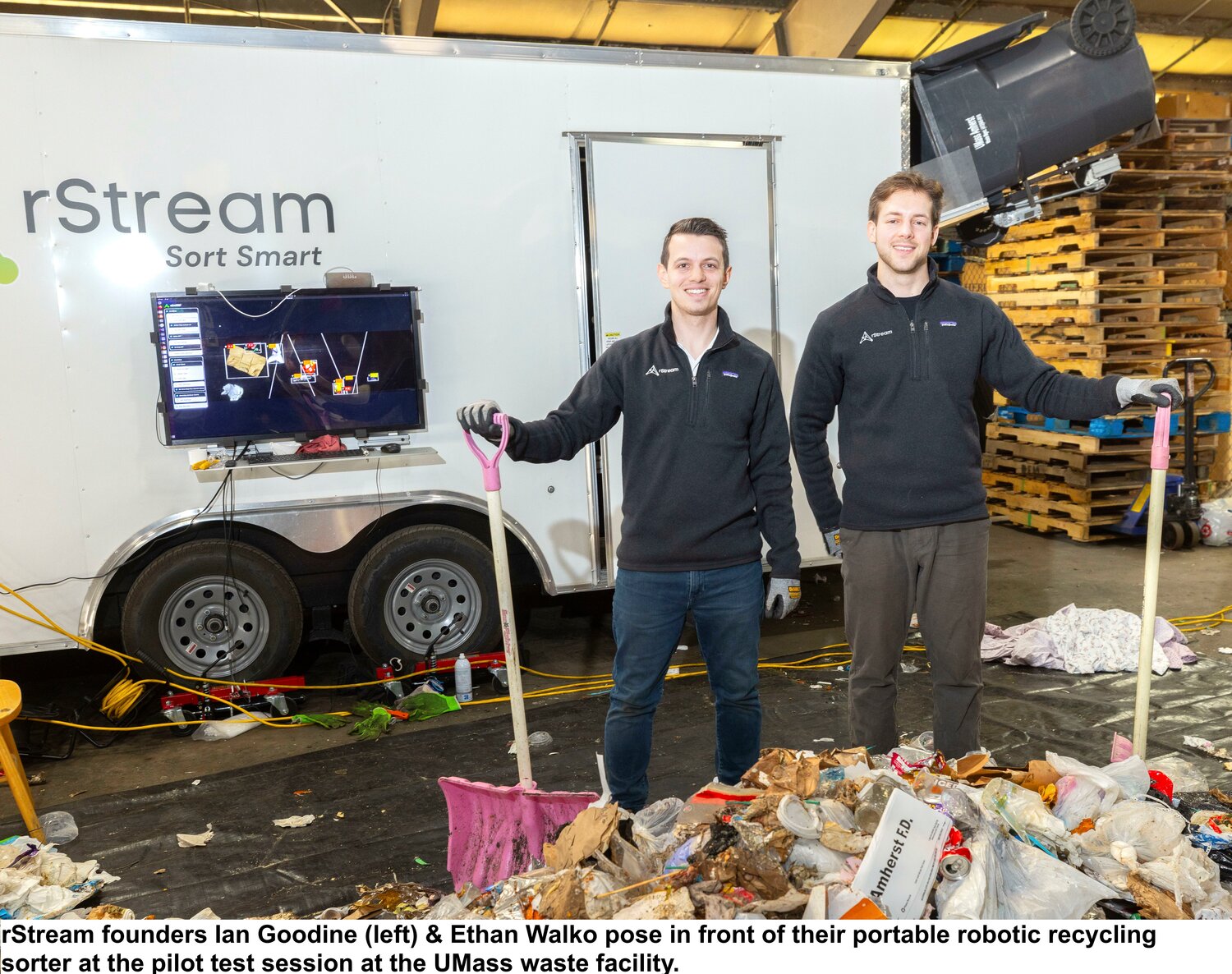
UMass Amherst is testing an AI-powered system that sorts waste in real time. The goal: reduce landfill use and improve recycling accuracy.
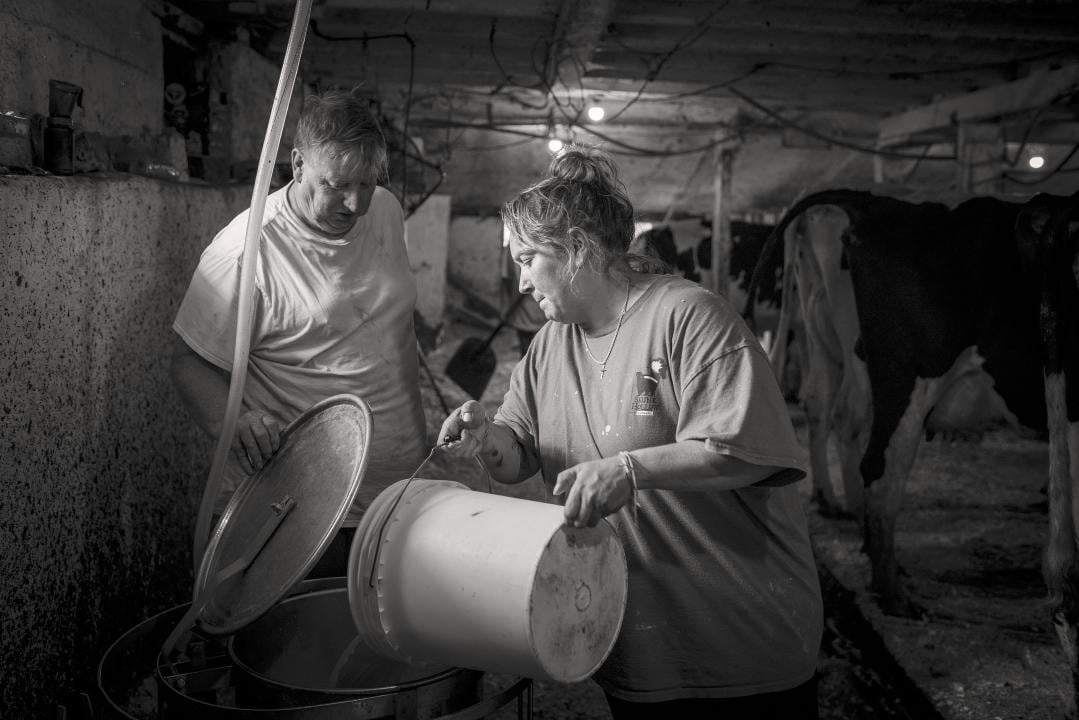
The Kehlers' business model has proven remarkably successful: 82 cents of every dollar of profit stays within Vermont, with 62 cents staying in Greensboro itself, making it one of the most financially rewarding places to be a farmer in the United States.