

Private equity firms are accelerating acquisitions of mobile home parks—but at what cost? From contaminated water to poor waste management, residents are facing serious environmental health risks as infrastructure fails under profit-driven ownership.

Illinois embraces values-driven food procurement, advancing sustainability, fair labor, and local sourcing in state-funded facilities through new policy reforms.
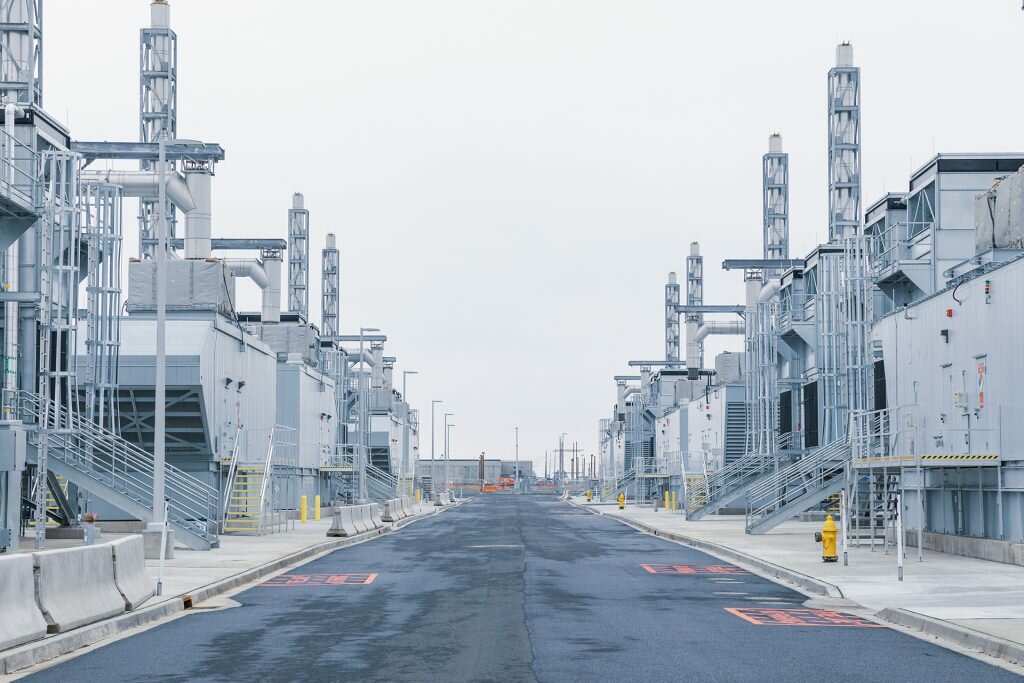
Microsoft cuts operational emissions but struggles with Scope 3, as FY2024 emissions rise. Here’s what it means for tech and climate leadership.

ML-powered climate forecasts drive resilient strategies to combat extreme weather, boost sustainable agriculture, and enhance disaster preparedness.

Songbirds now treat the Corn Belt like a major barrier. New research shows farmland forces flight changes once seen only over oceans.

Half of Gen Z and millennials say they’re burned out. But they’re still showing up—and they want work that actually means something.
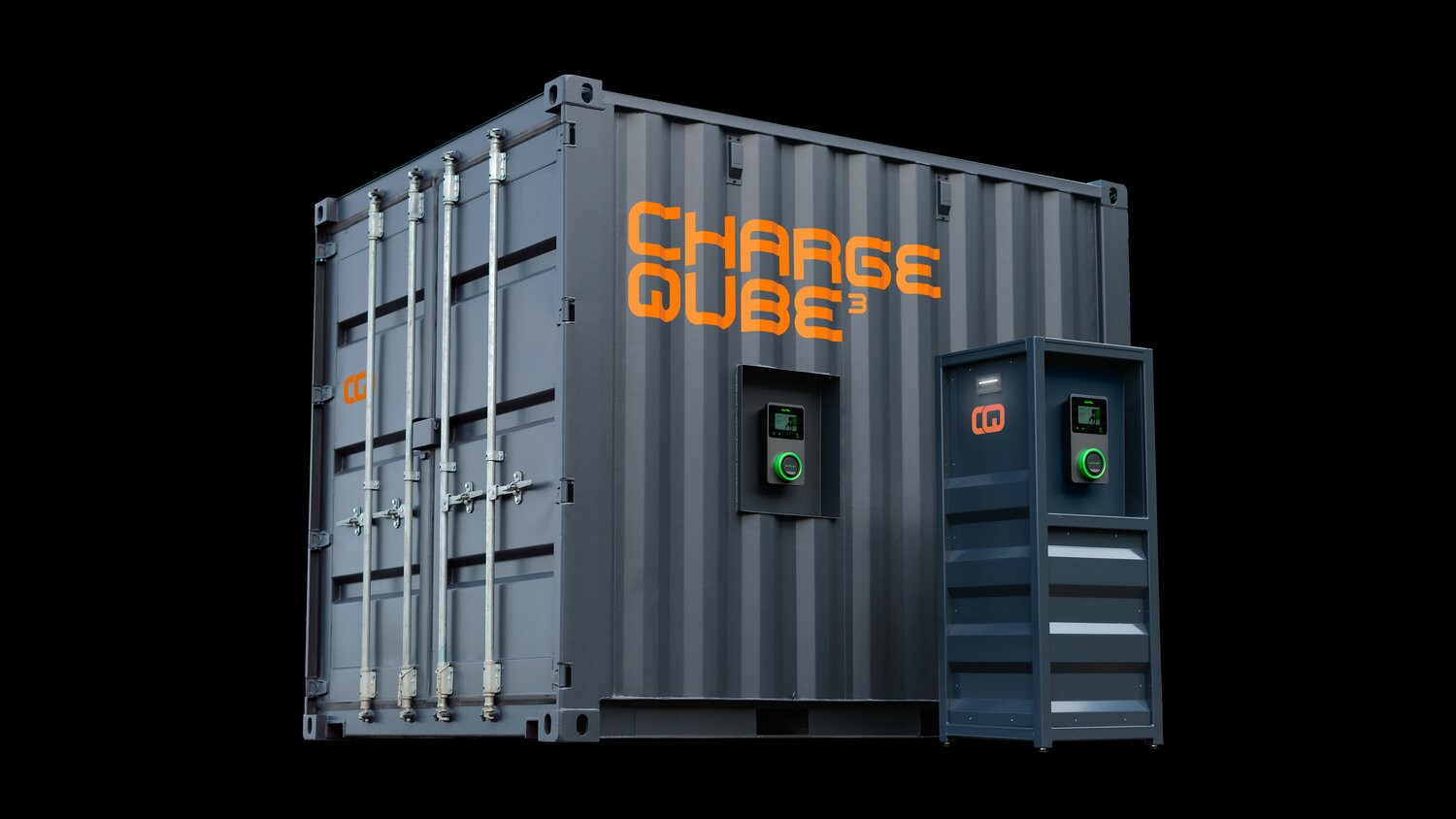
Addressing grid limitations, the Charge Qube delivers flexible EV charging via second-life batteries—supporting clean fleets, remote sites, and low-emission compliance.

Following a historic drop, hydropower output in the Northwest is forecast to increase 17% in 2025 due to stronger precipitation, though totals remain below the 10-year average.
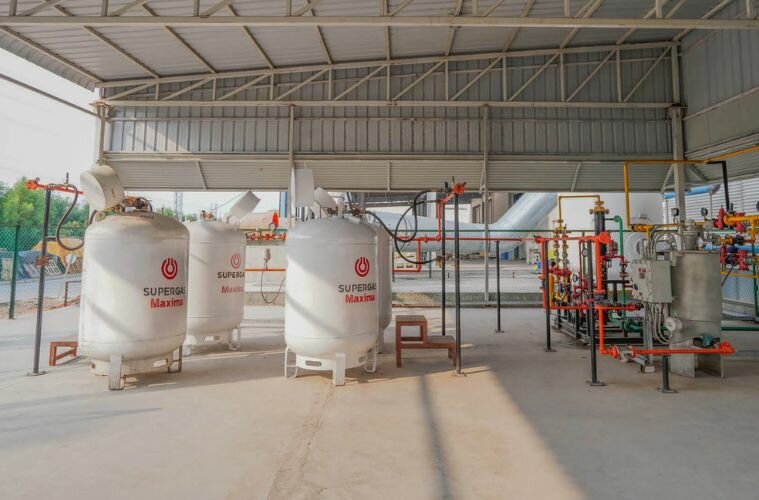
As the specialty chemicals market nears $900B, Micron Aerosols modernizes with LPG to meet rising sustainability and efficiency demands. Learn how Supergas supports safe, scalable energy transformation.

U.S. scientists are turning e-waste into a local source of rare earths. The tech uses less energy and fits into existing systems.

Paine Schwartz Partners embeds sustainability in food system investments, aligning financial returns with measurable environmental and social impact.
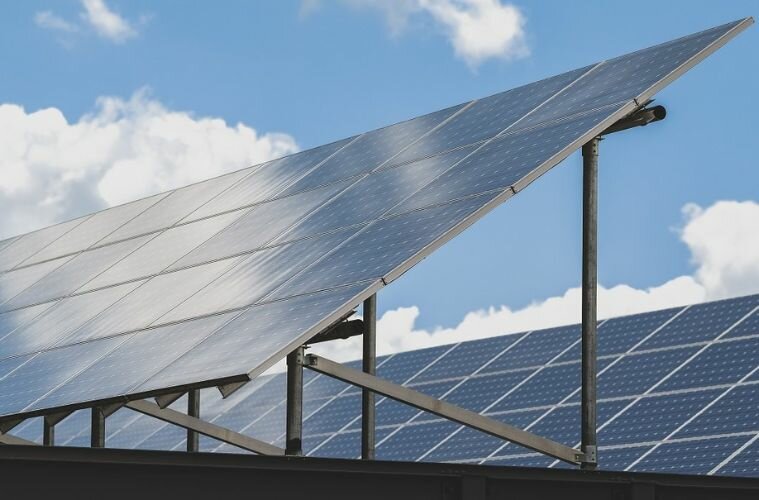
Virginia Tech advances its Climate Action Commitment with a 2.1 MW solar project, reducing emissions and expanding renewable energy education for students.
Explore how EHS and ESG are converging in 2025. Discover expert insights on climate risk, circularity, safety tools, and compliance.
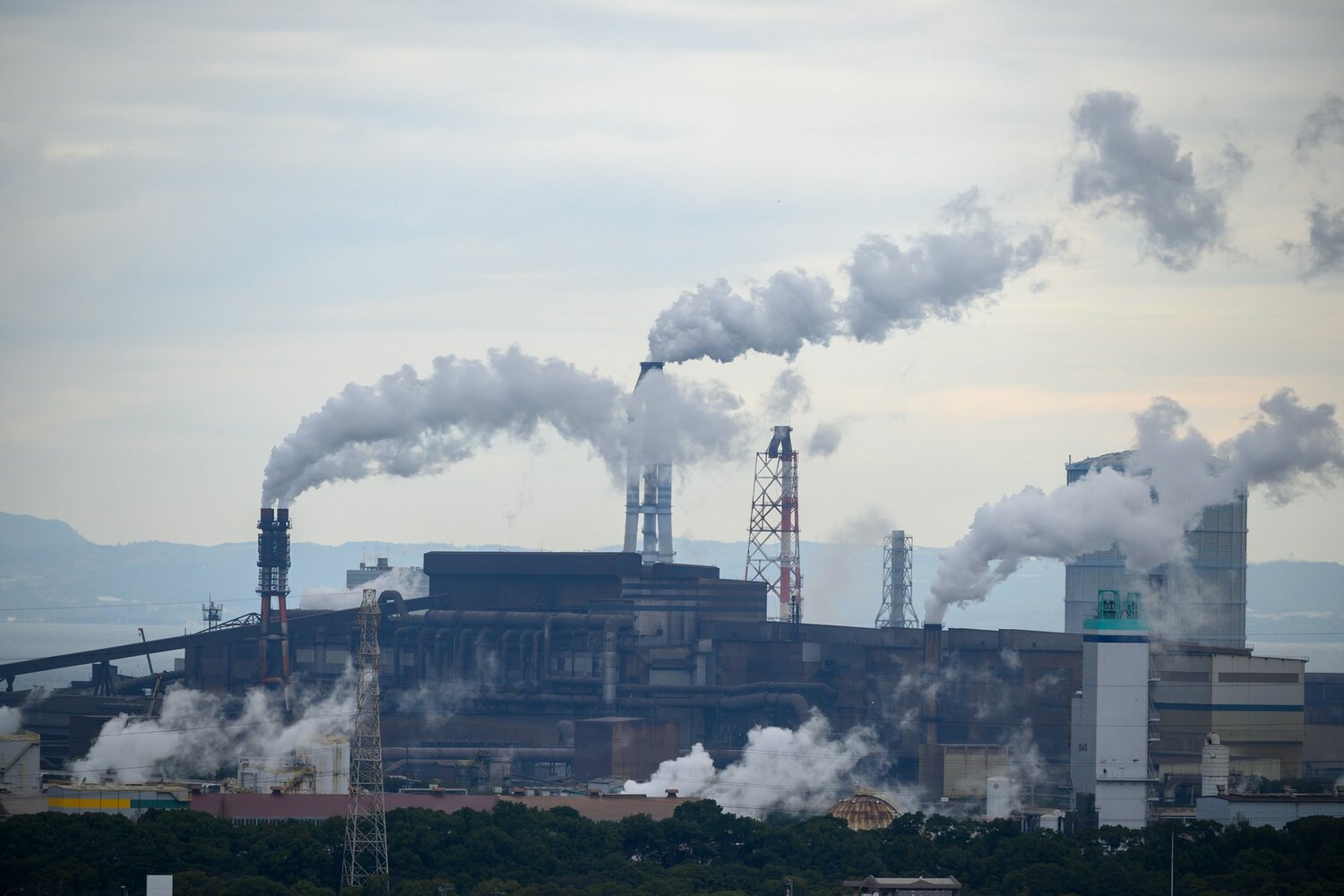
Air and water pollution are driving up compliance costs in key states. Businesses face mounting risks that impact quality and operations.

With climate disasters rising, North Carolina’s new law invests $1B in infrastructure and recovery. Can it create a scalable model for resilience?
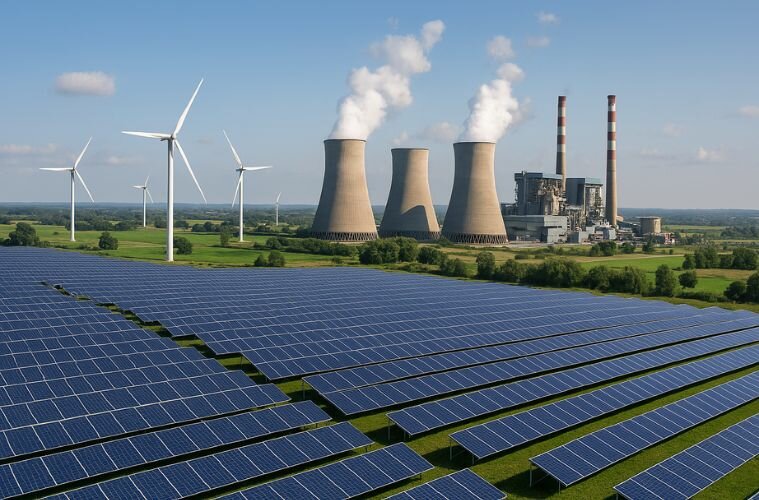
China has become the world’s first "electrostate," shifting from fossil fuels to a fully electrified economy powered by solar, wind, and battery storage. Yet, its continued coal expansion highlights the challenges of balancing growth with decarbonization.

A new DAC project could help reshape the carbon market’s tech future. With validation underway, credits may arrive as soon as summer 2025.
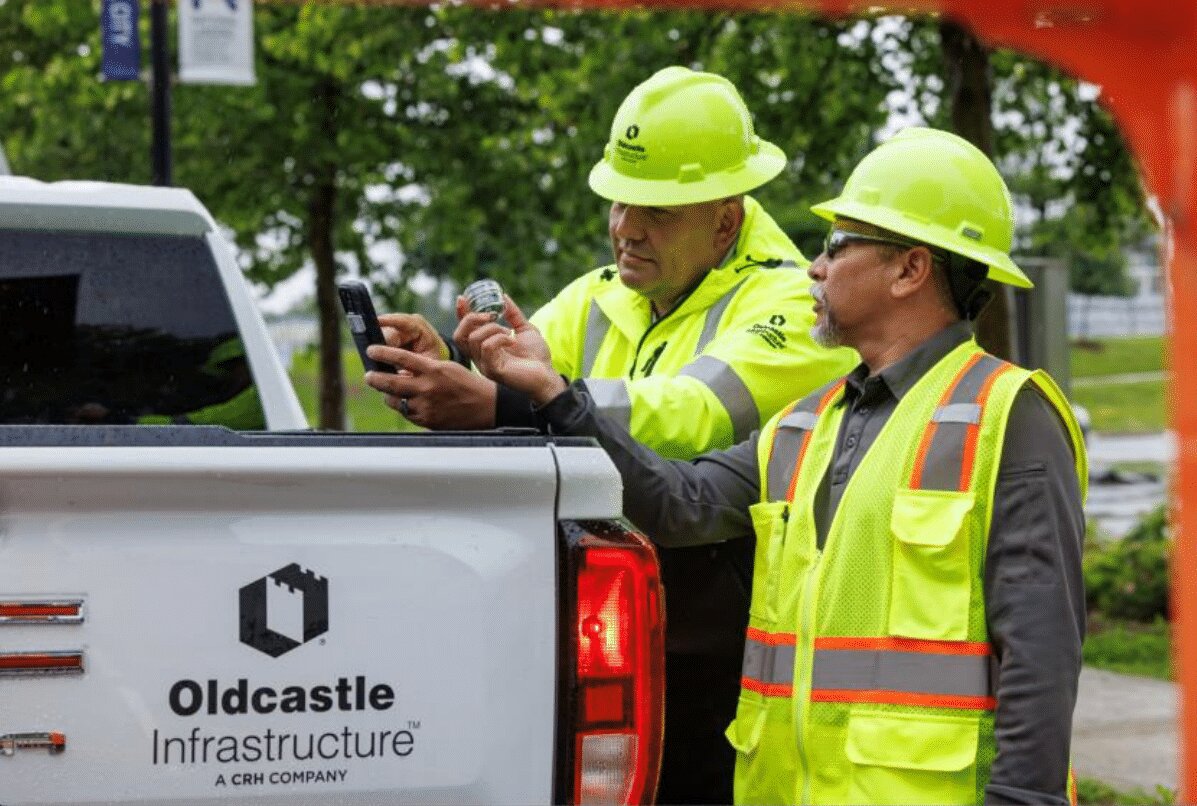
Water loss costs U.S. municipalities $8B a year. See how CivilSense™ uses AI to identify leaks and protect drinking water in communities like Bartow County, GA.
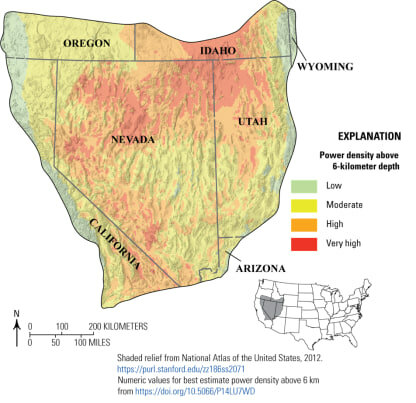
A new USGS study shows the Great Basin could power 10% of the U.S. with geothermal. The catch? Scaling up enhanced drilling tech.

Scaling up carbon removal won’t cut its impact. A new study finds afforestation and ocean-based methods stay effective at larger scales.