

Populus Denver, the first U.S. carbon-positive hotel, combines reforestation, zero waste, and renewable power for measurable climate impact.

Peoria's wastewater utility is cutting emissions and earning revenue by turning methane into renewable fuel. It’s a smart model for sustainable infrastructure.

A major fire test proves mass timber can meet strict safety codes. With data now public, developers gain new tools for building taller and more sustainably.

The Army Corps clarified its NEPA procedures for permit reviews, confirming EAs or EISs are required unless excluded. Public comments due August 4, 2025.

FIFA World Cup 2026 projects in Mexico risk harming biodiversity, water systems, and local communities. Experts call for conservation-focused planning.

Agencies seek public comment on adoption of 2021 IECC and ASHRAE 90.1-2019 energy standards, citing evolving market dynamics.

Heidelberg Materials’ Brevik CCS facility is the first carbon capture plant at a cement site globally, capturing 0.4M tonnes CO₂ annually and storing it 2,600 meters below the seabed.

President Trump’s executive order clears the way for Nippon Steel’s acquisition of U.S. Steel, promising $11 billion in U.S.-based investments and more than 100,000 jobs.
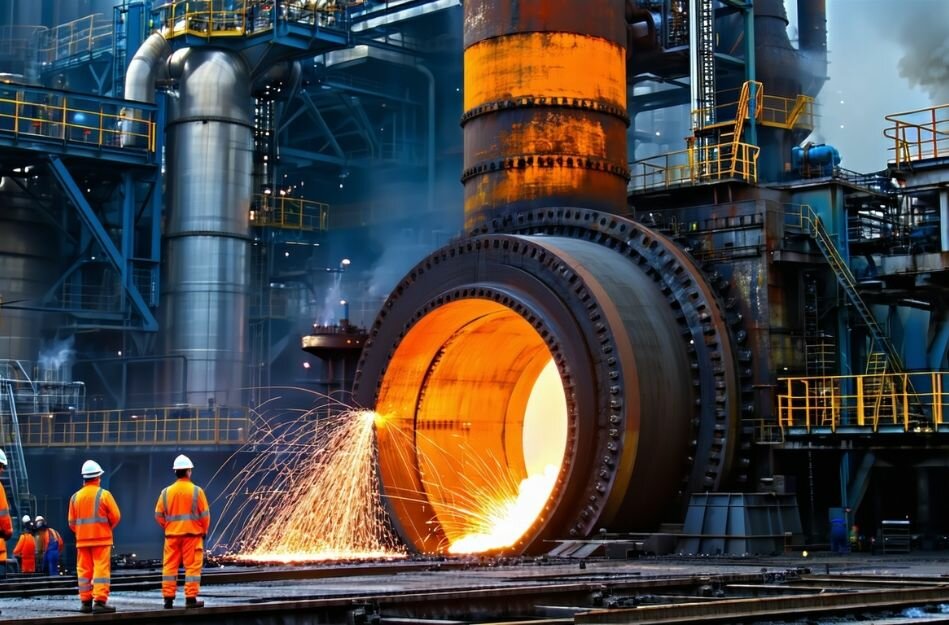
The steel industry’s decarbonization efforts are lagging, with persistent coal-based production threatening 2030 climate targets despite gains in electric arc furnace adoption.

DC microgrids are efficient and scalable—but protection challenges from fast-rising faults and weak standards pose major hurdles to wider deployment.
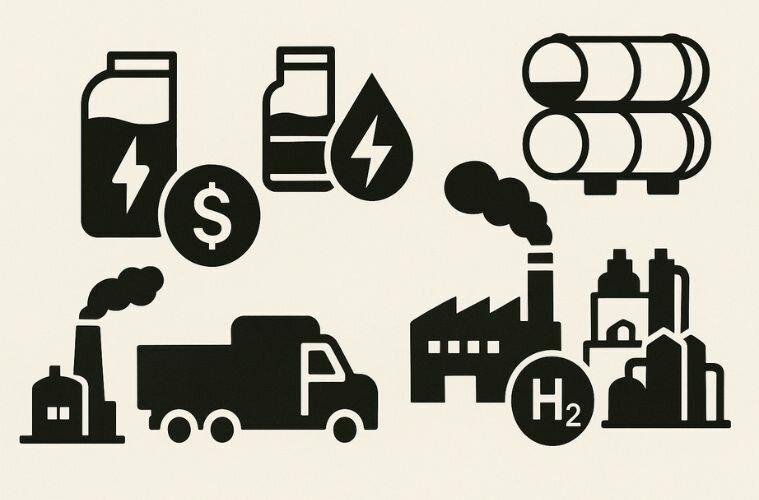
Why America’s hydrogen ambitions must be grounded in science, sector prioritization, and lifecycle emissions data to deliver climate and economic returns.

Since our relaunch, engagement has surged — and we’re opening new ways for industry leaders to share insights, build visibility, and get involved.

As reporting deadlines hit, the EU’s methane rule is shifting from policy to pressure point—forcing global energy suppliers to prove compliance or risk exclusion.
Next City reports developers indicate increasing construction costs and cuts to federal funding will upend America's affordable housing progress.
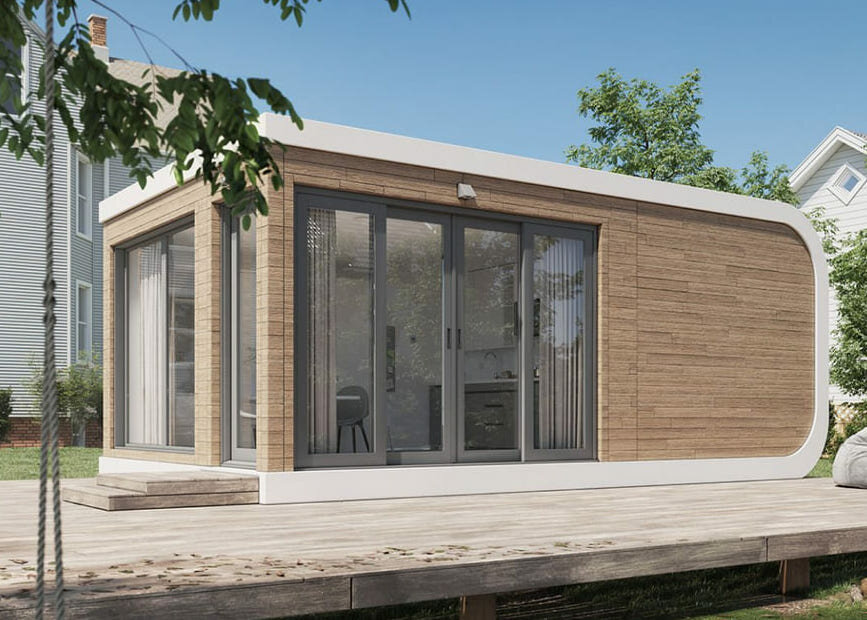
Azure Printed Homes is a fast-scaling company revolutionizing prefab and 3D-printed construction with recycled materials.

Technology partnerships are accelerating smart city development across the U.S., driving innovation in infrastructure, mobility, and public services.

House Bill 15 promotes power generation, affordability, and regulatory transparency—but faces pushback from utilities and environmental advocates.
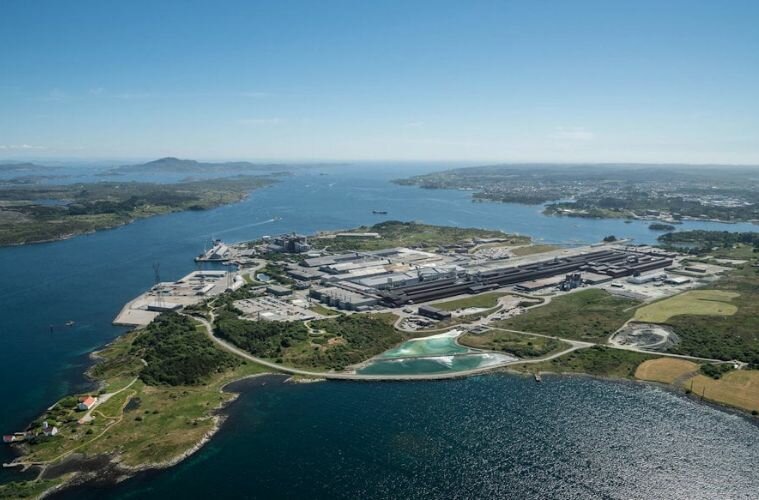
Hydro commits $154M to boost low-carbon aluminium output in Norway, supporting Europe’s critical power grid and renewable energy infrastructure.
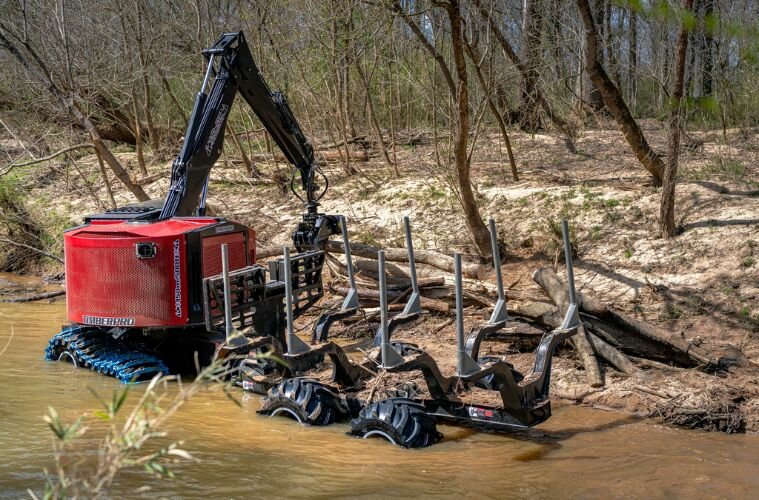
With $78.7B in storm damage, Helene highlights the need for green infrastructure, grid upgrades, and climate-resilient rebuilding.

Australia invests in green hydrogen, backing CIP’s Murchison project to boost exports, create jobs, and support global decarbonization efforts.