


Explore how Trump’s executive orders are reshaping U.S. climate goals, energy policies, and infrastructure, with the launch of the $500 billion Stargate AI initiative.

The Pelican Gulf Coast DAC hub takes shape as RepAir Carbon joins Shell, Mitsubishi, and academic partners to advance scalable carbon removal solutions in Louisiana.

Direct air capture could revolutionize aviation’s carbon footprint. Synthetic fuels may become cost-competitive with rising renewables.

AgriFORCE Growing Systems appoints Dr. Barrett Mooney as COO, advancing its mission to integrate sustainable technologies into agriculture and energy operations.

America’s Beverage Companies and U.S. Conference of Mayors Invest $745,000 in Urban Mobility and Community Health Programs Across Nine Cities.

Global energy markets dictate prices, not just U.S. output. Regulatory risks and investor concerns complicate efforts to boost domestic oil and gas production.
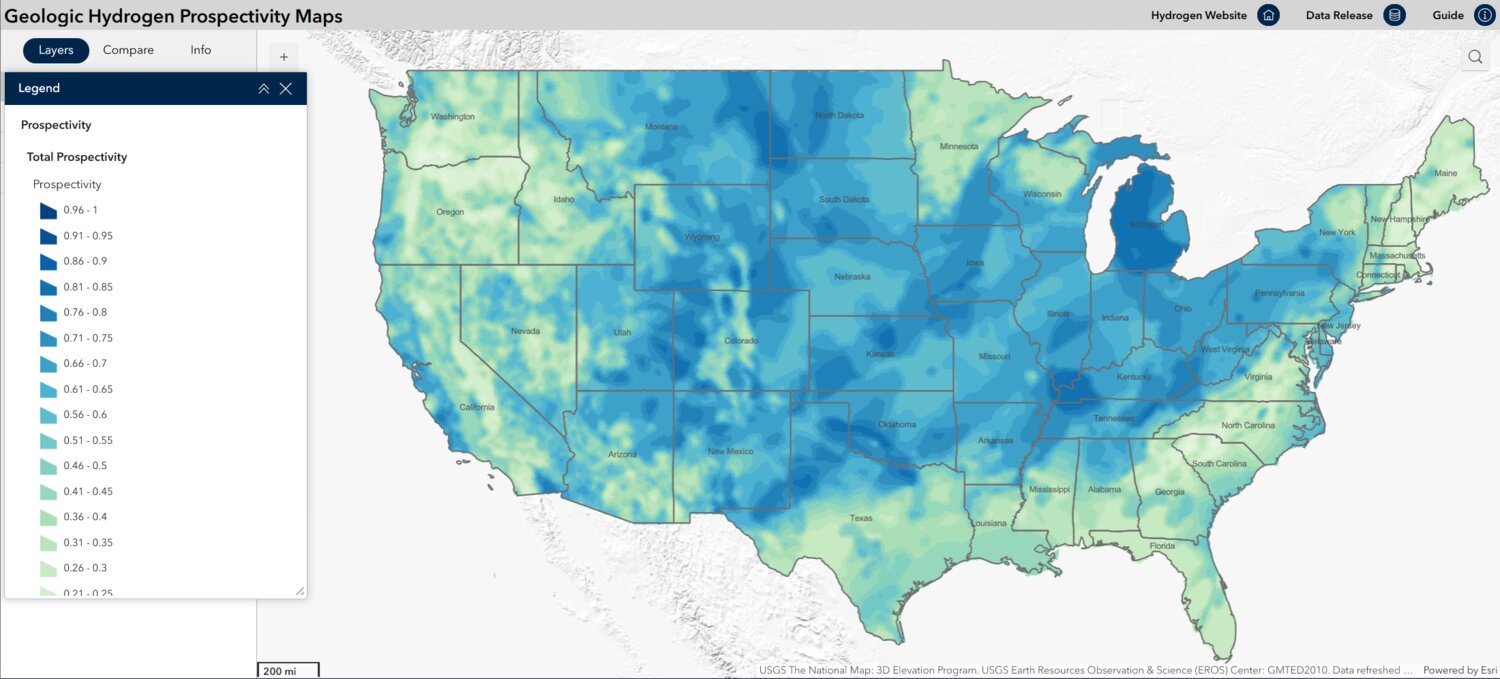
The USGS has mapped massive underground hydrogen reserves across the U.S., revealing a potential clean energy source twice the size of global natural gas reserves.

The Ohio EPA and ODOT are teaming up to replace aging buses, cut pollution, and improve rider experiences.

North Carolina’s Energy Saver NC program offers $208 million in rebates for energy-efficient upgrades, saving families money and boosting local economies.

Balancing Scientific Exploration with Renewable Energy Growth

Economic Pressures Reshape ESG Priorities Across Generations
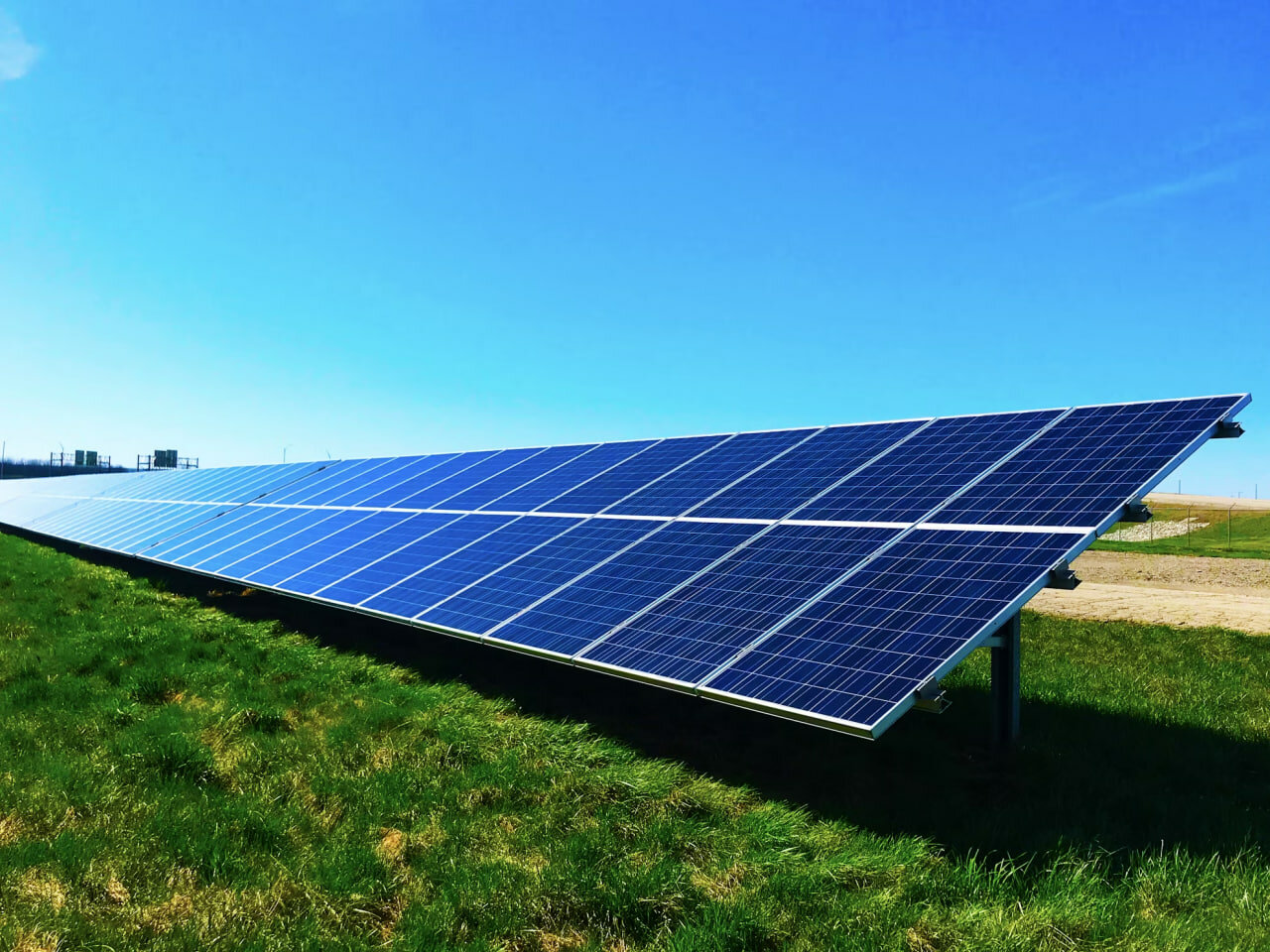
SolarEdge and Summit Ridge are collaborating to deploy U.S.-made solar tech, boosting domestic manufacturing and energy independence.

An MIT study found that energy coaching, combined with smart devices, reduced household energy costs by 53%, easing energy poverty.

The waters of Savannah, Georgia, will soon host the nation's first hybrid passenger ferries powered by waterjet technology.

Abu Dhabi integrates solar and battery storage to deliver continuous renewable power, supporting jobs and economic growth.

A new catalytic process breaks down PET plastics into fuel-ready compounds, offering a sustainable solution for urban waste challenges.

In 2024, China imported 542.7 million metric tons of coal—the highest ever recorded.
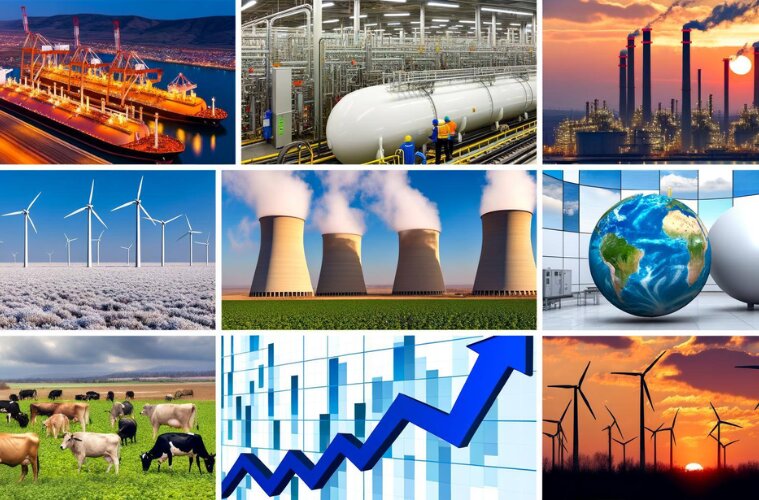
From Europe’s wind energy boom to the U.S.’s largest energy IPO in years, January 2025 is setting the tone for an impactful year in the energy industry.

Global warming is projected to reduce snowfall in Oregon by 50% by 2100, a shift that could severely impact water resources, agriculture, and ecosystems reliant on snowmelt.

From political shifts to technology adoption, resilience emerges as a critical factor for navigating global uncertainty.