


E2 tracked nearly 8 GW of canceled clean energy capacity and $13 billion in abandoned investment in Q1 2026 alone. The hidden cost is what those projects were supposed to deliver.

Global energy transition investment hit $2.3 trillion in 2025. But capital is concentrating in data centers and a few large managers, leaving most clean energy deals competing for less.

Congestion costs in PJM topped $3 billion in 2025 and may double again this year — and those costs show up directly in electricity bills. Dynamic line ratings won't solve the underlying infrastructure gap, but they can take a meaningful bite out of congestion while the grid expansion the country needs catches up. The problem is that most regulators don't yet understand how.
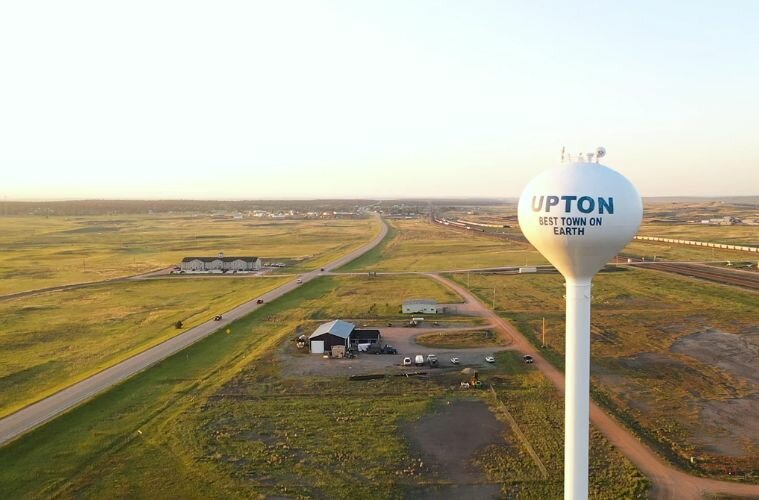
Rare Element Resources reports Bear Lodge is tracking toward March 2028 federal permitting completion under FAST-41, with its Wyoming separation demonstration plant targeting late summer 2026.

Eighteen EU member states signed a cross-border autonomous vehicle testbed agreement in Luxembourg on June 8, with $21.8 million in digital infrastructure funding launching this month.

Federal permitting blocked 11 GW of clean energy in one year. The interconnection queue holds 2,060 GW more. Operations teams with project-tied energy timelines carry direct exposure.

Billion Watts and Enervest are developing smaller battery sites across NSW and Victoria. The portfolio targets local grid support, storage revenues and resilience.

Clean energy project finance credit standards shifted in 2025 and 2026. Companies with infrastructure commitments built on older assumptions are running into those changes now.

The East African Crude Oil Pipeline is 80 percent complete, with first oil exports targeted for October. The final river and wetland crossings now underway are, by the project's own assessments, the most ecologically consequential phase — and the damage, once done, cannot be undone.

DOE selected Duke Energy for up to $96 million in federal funding for reliability upgrades at coal-fired power plants in Kentucky and North Carolina across three sites.

Permitting delays are stranding pre-development capital and driving carry costs higher. CFOs evaluating energy and infrastructure projects need to treat permitting uncertainty as a front-end financial risk.

Steel, copper, and grid material costs have reset project economics across clean energy and infrastructure. Finance teams holding 2022-era models need to close the gap before H2 capital decisions land.
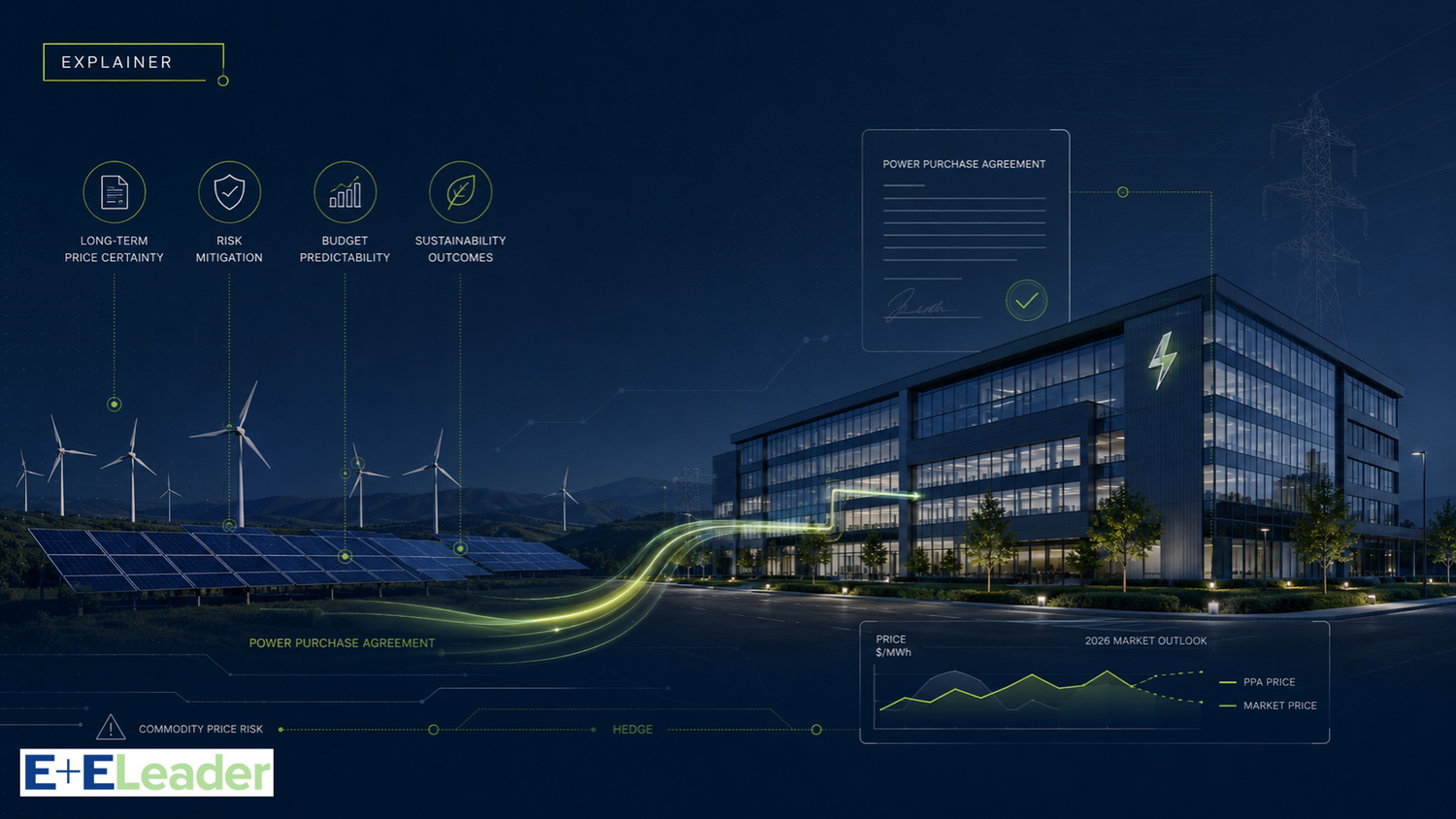
A power purchase agreement (PPA) lets companies buy renewable energy directly from a generator at a fixed price. Here's how they work, who they're right for, and what to watch out for.

South Africa has enacted one of the most ambitious sustainability disclosure frameworks on the African continent. What the framework requires and what most companies can actually produce are two different things.

Battery design is becoming a core issue for autonomous systems. Anthro and EnPower are targeting U.S.-made cells for defense, robotics and edge AI.

T5’s East Texas lithium project has secured a five-year Glencore offtake deal. The agreement links Smackover output to U.S. battery supply chains.

Vermont's governor vetoed H.727, the Vermont Sustainable Data Centers Act, on May 28. The House failed to override the next day, leaving the state reliant on existing regulatory tools.

GHG Protocol updates would require hourly-matched renewable energy procurement. Companies built on annual RECs or cross-border certificates face a disclosure credibility problem.

Contrails.org has launched open data for airlines. The tool shows where contrails form, helping teams target warming cuts without sweeping fleet changes.
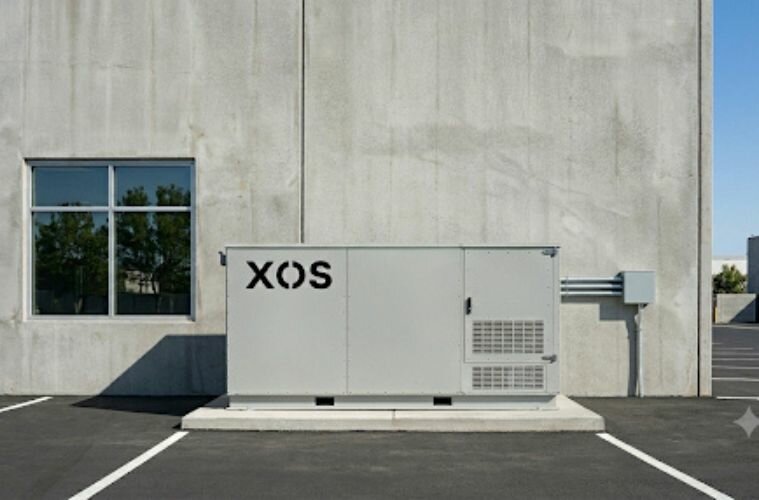
Xos launched a 2.5MWh containerized energy storage system targeting AI data centers and industrial sites stuck behind three-to-seven-year grid interconnection timelines.