

UHERO's 2026 Housing Factbook documents declining condo prices, surging insurance premiums, and new FEMA flood map changes arriving in June that will raise carrying costs further.

Zelestra’s 6.5 MWdc Ginosa plant is now online in Puglia. The project links clean power with continued farming, a long-term PPA and student training.

A Rice University PNAS study links El Nino and Indian Ocean Dipole climate patterns to armed conflict onset in drought-exposed regions, with implications for supply chain and operational risk planning.

Nine Florida schools earned Melbourne's 2026 ECO School Awards for integrating sustainability, conservation, recycling, and habitat programs into campus life and community engagement.

School districts are expanding solar projects beyond pilot phases. By pairing generation with efficiency upgrades, they aim to cut costs and emissions.

NYC is investing in EV workforce training to keep charging networks running. A Brooklyn program connects hands-on skills with growing job demand.

UNSW's new $5 million research hub aims to prevent a supply chain crisis by tackling Australia’s fast-approaching solar waste problem and accelerating recycling infrastructure.

Heat-tolerant enzymes are moving closer to industrial use. New structural insights show how proteins can stay stable and active in extreme conditions.

The PepsiCo Foundation's VivaOliva program reflects a broader shift as food companies treat regenerative agriculture as supply chain strategy, not optics.

Karnataka's new clean energy incubator signals how regional governments are taking commercialization into their own hands rather than waiting for national policy.
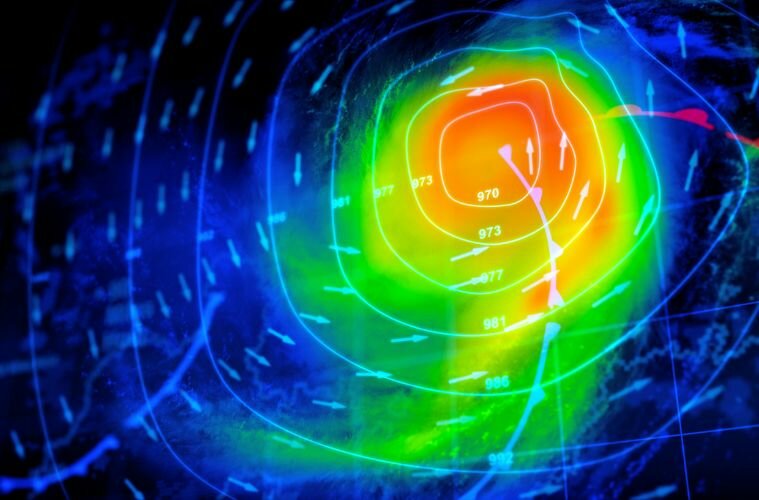
Boston University research shows how AI is improving climate predictions, helping businesses anticipate supply chain and operational risks earlier.

A Louisiana project is rethinking coastal defense with real-time data and adaptive design. The system tracks performance while working with natural processes.

Texas A&M is evaluating a very-high temperature research reactor in College Station. The project could anchor advanced nuclear R&D and industrial decarbonization.

Two McMaster students built a circular fashion nonprofit that repairs and reuses donated clothing, quantifies carbon impact, and delivers complete outfits — not loose garments — to Hamilton families.

USGBC-led coalition launches a national HVAC pilot program to help 12–15 school districts improve indoor air quality and modernize aging systems.

Rice is reshaping how engineers think about materials. Its speed-sensitive behavior enables adaptive structures without sensors or software.

New data show babies were exposed to more PFAS before birth than standard tests detected. The findings could reshape risk models and policy.

Nature is shifting from ESG add-on to financial risk factor. Investors are starting to price ecosystems, resilience and climate exposure into long-term returns.

A new DOE-backed partnership between South Dakota Mines and Idaho National Laboratory is using AI and waste heat recovery to reduce the energy demands of biomass drying.

Hydrogen from sunlight just got cheaper. A Chalmers team has replaced platinum with plastic nanoparticles, opening a path to scalable, clean hydrogen production.