

Utility capacity warnings are no longer background noise. For facilities leaders, they're now a direct constraint on where and when expansion is possible.

The assumption that power would always be available when a business needed it is no longer reliable — and that shift has consequences that go well beyond the facilities budget.

Investors are asking specific questions about energy access and grid exposure that most ESG disclosures weren't built to answer — and the gap is starting to show up in financing conversations.

Battery risks are rising in hazardous settings as systems scale. Intrinsically safe monitoring helps reduce exposure and improve uptime.

A new global coalition aims to define sustainability standards for AI data centers as energy and water pressures intensify worldwide.

AI workloads are reshaping how data centers move data. STL’s Neuralis platform focuses on dense fiber and faster deployment to keep pace.

Data centers using 20 megawatts or more would need state approval, decade-long grid contracts, and quarterly water reporting under Vermont's new bill.

Maine voted 21–13 to ban permits for data centers drawing 20MW or more through 2027 while a new state council evaluates grid and ratepayer impacts.
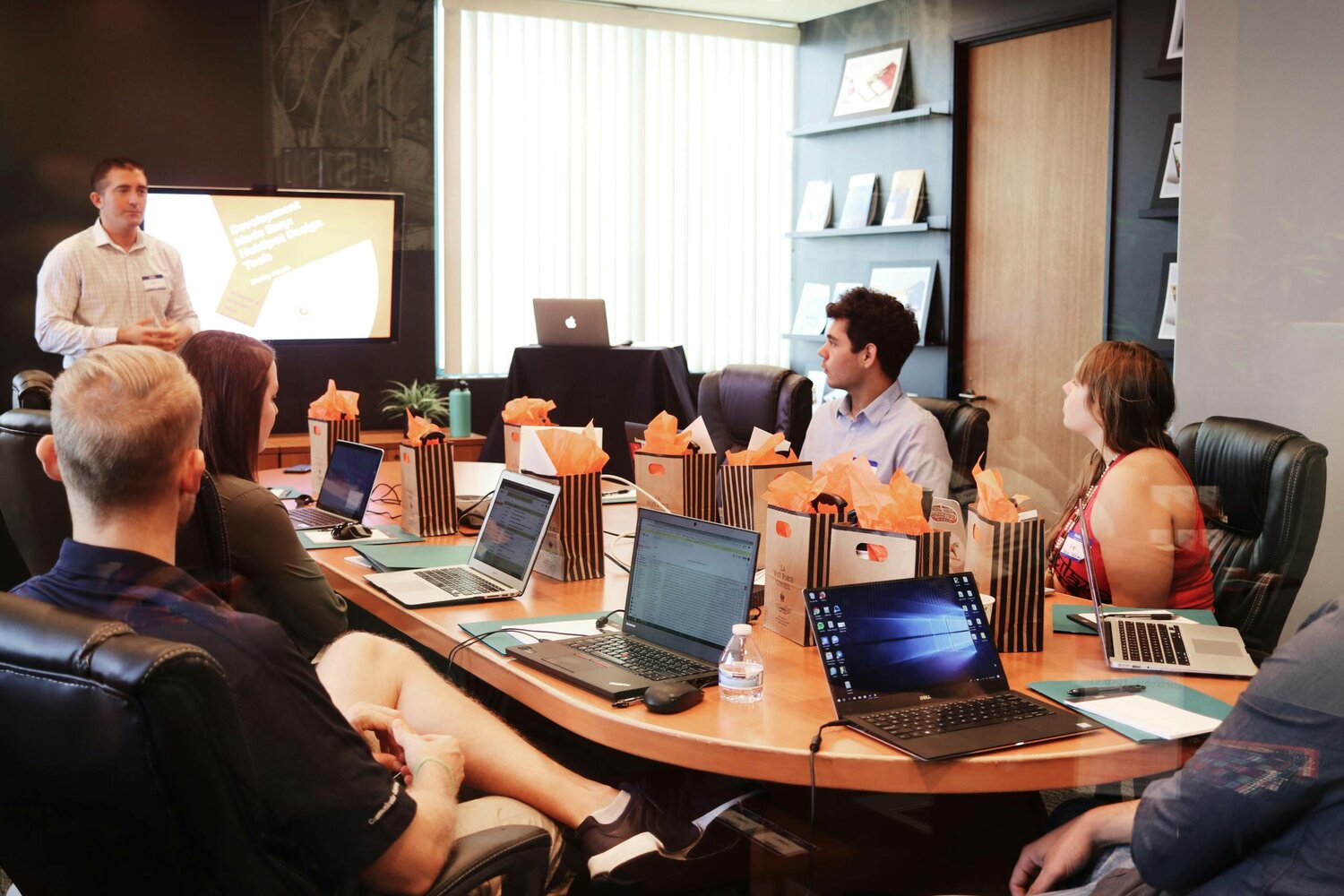
Artificial intelligence is advancing rapidly across healthcare, finance, and public policy, but experts gathering at the University of North Carolina at Chapel Hill say the technology’s trajectory remains defined by competing forces: breakthrough innovation, workforce disruption, and unresolved questions around privacy and accountability.

Lawmakers push to preserve LIHEAP funding as energy costs rise, warning millions of households face growing utility affordability challenges.

AI demand is pushing data infrastructure to its limits. Orbital data centers are emerging as a potential solution to ease capacity constraints.

Water is no longer an operational input. It is a constraint on capital deployment. And unlike energy, it cannot be substituted, hedged, or easily relocated once a facility is built.

Closed Loop Partners acquired Sutter Metals this week in its first metals investment. The deal reflects growing pressure to build domestic supply chains for critical materials.

IQAir's 2025 World Air Quality Report documents a global decline in air quality. The health consequences, now including dementia, carry a $8.1 trillion annual price tag.

Atmus Filtration Technologies has opened an expanded laboratory in Quimper, France, strengthening its global testing network for liquid, air, and aerosol filtration.

Hollow core fibre is moving closer to real-world use in networks. STL’s launch highlights growing demand for faster, lower-latency infrastructure.

The 2025 IQAir World Air Quality Report shows U.S. PM2.5 levels rose 3% last year, driven by wildfires and an emerging threat from AI data center emissions.

Grid constraints, ESG complexity, and supply chain pressure are not waiting for Q3.

Several compliance deadlines, energy contract cycles, and ESG governance obligations converge this summer. Boards that wait for clarity may find the decisions have already been made for them.

AI is scaling fast across energy, but adoption is uneven. New research shows gaps between sectors, shaped by data, talent, and operational demands.