
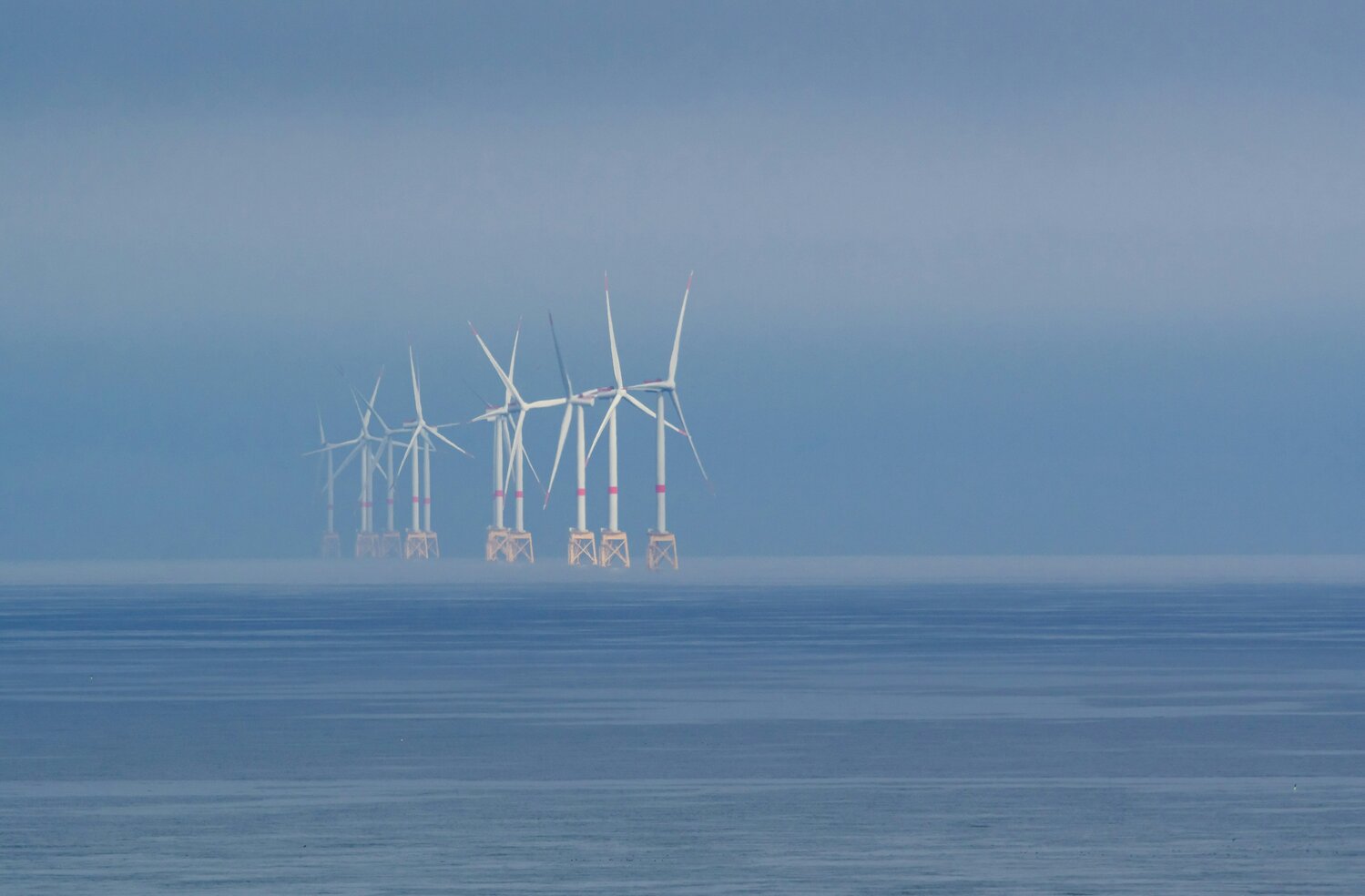
AI demand is pushing power grids and land supply to the limit. Floating wind platforms with built-in data centers could shift compute closer to its energy source.

The market structure has changed in three specific ways that matter for financial planning. Are you prepared?

Westwater Resources has filed a federal water quality permit for its Coosa Graphite Project in Alabama - the largest natural flake graphite deposit in the contiguous United States.

U.S. biogas investment passed $2B in 2025, with 70 new projects online. RNG output jumped as landfill and farm systems scaled capacity.

USGBC-led coalition launches a national HVAC pilot program to help 12–15 school districts improve indoor air quality and modernize aging systems.

As the July 2026 ITC deadline approaches, documentation scrutiny is increasing. Here’s what solar developers should reassess — plus access to the full on-demand briefing.

Imerys completes its SustainAgility 2025 program, exceeds emissions targets tied to financing, and launches a new 2030 sustainability roadmap.

Nebraska assumes full NEPA authority for highway projects, shifting environmental review control from FHWA to the state and accelerating timelines.

Corporate resilience investment is increasing across climate, cyber, and infrastructure domains, but disconnected planning limits the effectiveness of risk mitigation in 2026.

A new lawsuit challenges federal oil and gas leasing near national parks, focusing on climate and air quality analysis under NEPA and raising potential timeline risk for energy operators.

With supply deficits, rising energy costs, and renovation needs exceeding $200 billion annually, Europe’s housing strategy increasingly depends on private capital and regulatory coordination.

Carbon border mechanisms are turning embedded emissions into a measurable import cost, forcing procurement and finance teams to reprice supplier contracts and trade exposure.

Worthington Enterprises will increase cylinder and tank prices up to 10% effective March 1, 2026, as U.S. steel trades near $960 per ton and copper and zinc remain elevated.

Carbon rules, PFAS litigation, and insurance repricing are pushing environmental exposure into supplier contracts, forcing procurement teams to rethink risk allocation and cost stability.

AI clusters are scaling faster than utilities can respond. TurboCell aims to deliver fast, modular power that adapts as grid connections catch up.

Aging systems, climate stress, and rising energy demand are exposing gaps in enterprise risk models built for isolated infrastructure failure.

As aging systems converge, maintenance backlogs are creating capital risk, execution constraints, and valuation pressure.

A building materials manufacturer was fined more than $800,000 after investigators found prior near misses were ignored before a life-changing injury at a production facility.

A new assessment of Odisha’s power system shows how repeated cyclones expose infrastructure vulnerabilities, recovery limits, and the role of operational preparedness in resilience.

Maryland’s SB 688 would restrict how stream restoration projects count toward stormwater and pollution-reduction compliance.