

Tier 1 buyers are discovering that subcontracted compliance failures move up the liability chain faster than most procurement frameworks were designed to handle.

A New York FOIL lawsuit challenges wildlife data redactions in a nearly 2,000-acre solar project siting file, testing how far renewable energy agencies can shield environmental records.

DartPoints acquired a 343,000-square-foot campus in Lexington, Kentucky, with an owned substation and a path to 70 MW, targeting AI, hyperscale, and neo-cloud demand.

The fifth annual Alaska Sustainable Energy Conference closed in Anchorage on May 21 with the clearest public accounting yet of where the Alaska LNG project actually stands.

The regulatory framework for industrial radiography involves multiple federal and state agencies, dose limits that carry criminal exposure if violated, and compliance failures specific enough that inspectors arrive with a checklist most field crews have never read.

OSHA's enforcement priorities have shifted, inspection weighting has evolved, and heat illness citations are expanding without a finalized federal standard, leaving many EHS programs misaligned with how inspections are actually being conducted in 2026.

Wet bulb temperatures in the Gulf and South Asia are crossing physiological safety limits earlier each year. Most multinational heat protocols are not calibrated to where peak exposure actually occurs.

A new electrified cement process could cut energy use and emissions. Using waste cement as feedstock, UBC researchers report a possible circular route.

Vermont's Sustainable Data Centers Act has cleared both Senate committees and is now at third reading following a 26-to-3 floor vote on amendments.

FERC approved PJM's updated transmission cost assignments on May 15, covering 358 new reliability projects effective June 14, 2026, with a 30-day compliance filing required on cost allocation methodology.

What do industrial operations leaders heading into contract renewals in 2026 need to know?

Interconnection delays are creating PPA delivery shortfalls that finance teams did not model. The cost of sourcing replacement power is showing up as unexplained energy budget variance in 2026.

Terra is moving low-carbon cement closer to market. Its Texas plant could show whether cleaner concrete can scale without major supply chain disruption.
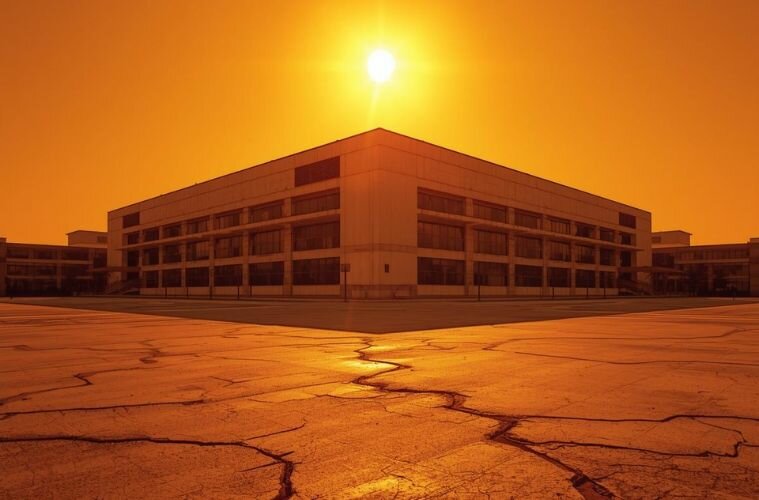
Building energy models were calibrated against climate conditions that no longer exist. Facilities leaders need to understand what that means for efficiency projections and equipment design.

The federal BFPP defense protects brownfields buyers from CERCLA liability, but state programs differ significantly. What EHS and legal teams need to understand before acquisition.

Environmental groups and lawmakers are challenging the Trump administration's offshore wind lease buyout deals, citing clean energy setbacks, job losses, and unresolved legal questions.
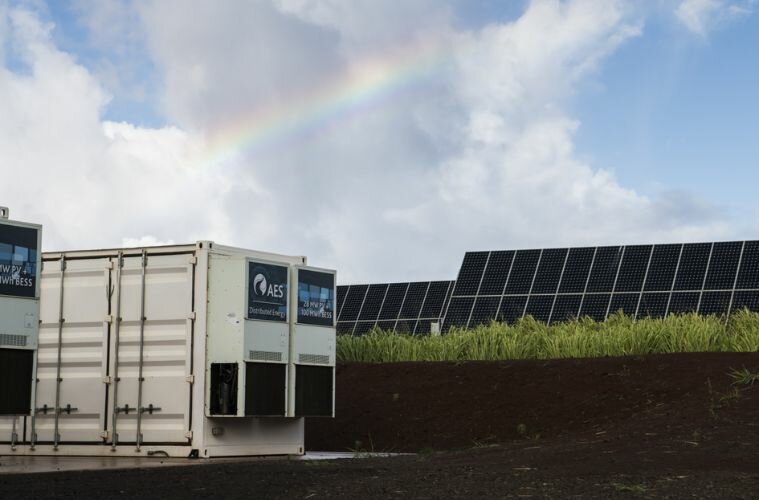
For facilities under grid pressure, on-site generation is no longer primarily a sustainability play. It's the clearest available tool for managing operational risk.

Location decisions that once turned on labor and logistics now carry an energy access dimension most companies aren't modeling. The organizations finding out mid-project are paying for it.

Grid constraints are moving from operational headaches to financial exposure. CFOs who haven't priced energy access risk into capital plans are already behind.
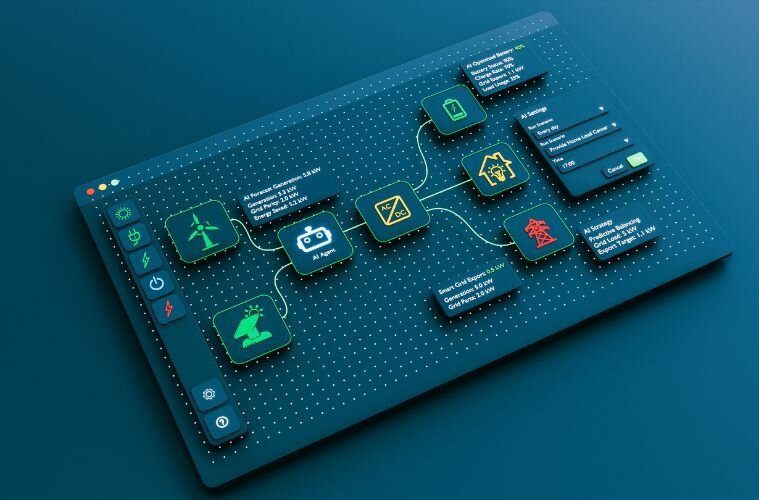
The EU's AccelerateEU plan responds to the Strait of Hormuz closure with fuel, grid, and clean energy actions that affect companies with European operations.