
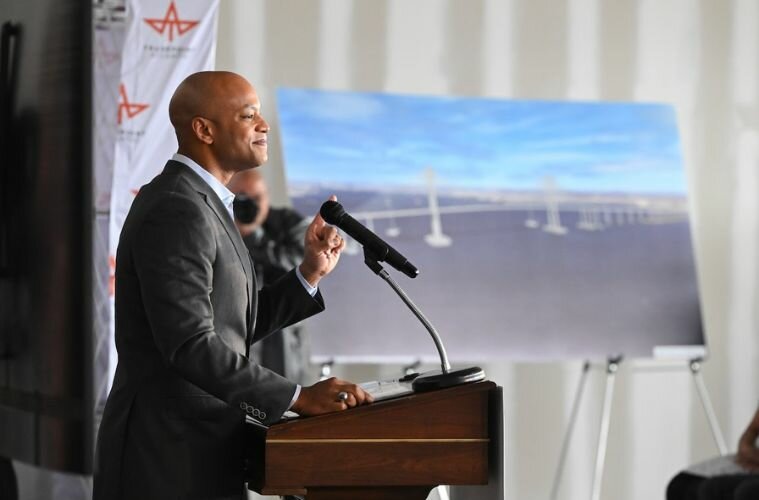
The future is transformation. Maryland’s new Key Bridge design is more than a rebuild—it’s a statement on engineering, resilience, and economic growth.

Sweden has expanded its special export credit guarantee program for Ukraine, increasing available funds by 166% in 2025.
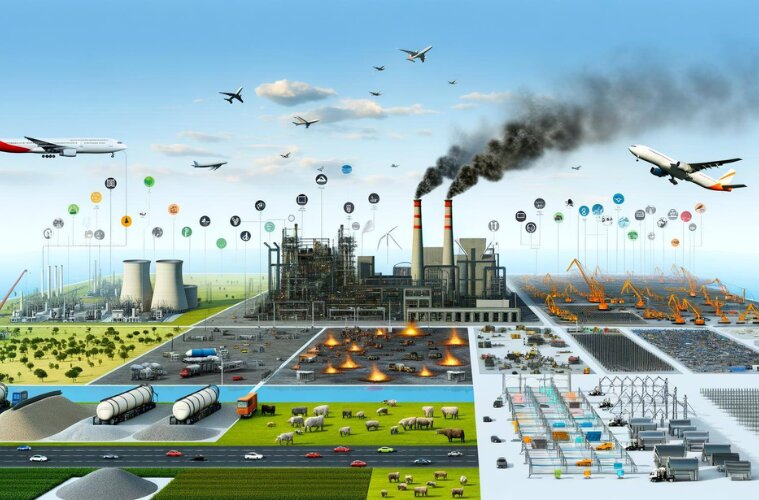
Energy, industry, and transport remain the core drivers of climate change, but digital industries are emerging as major players in emissions growth.
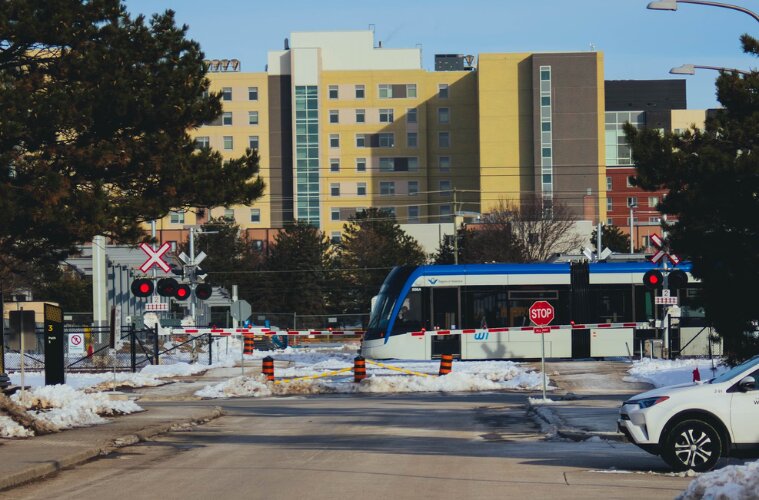
Through the Canada Public Transit Fund (CPTF), Waterloo’s Grand River Transit will receive $71.7 million over 10 years starting in 2026.
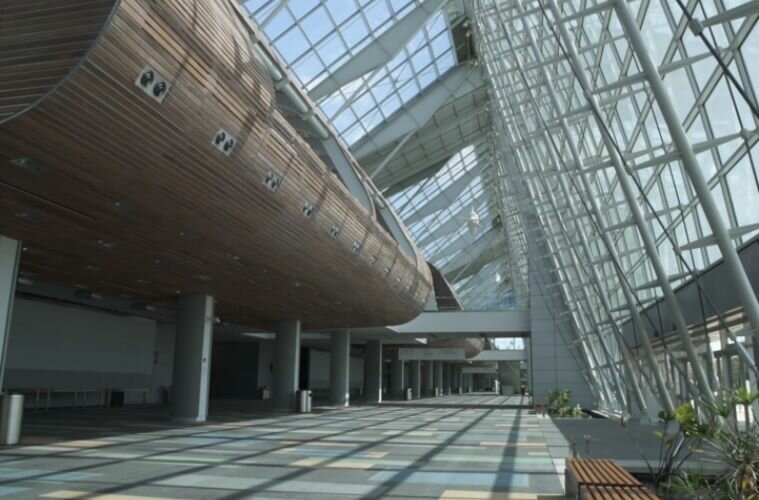
From offices to convention centers, Virginia’s 2024 LEED-certified projects set new sustainability standards.

Over 20 local organizations, from food banks to schools, will repurpose Super Bowl items.

The Basque Country cut GHG emissions 33% since 2005, but 45% of its raw materials still come from outside the EU.
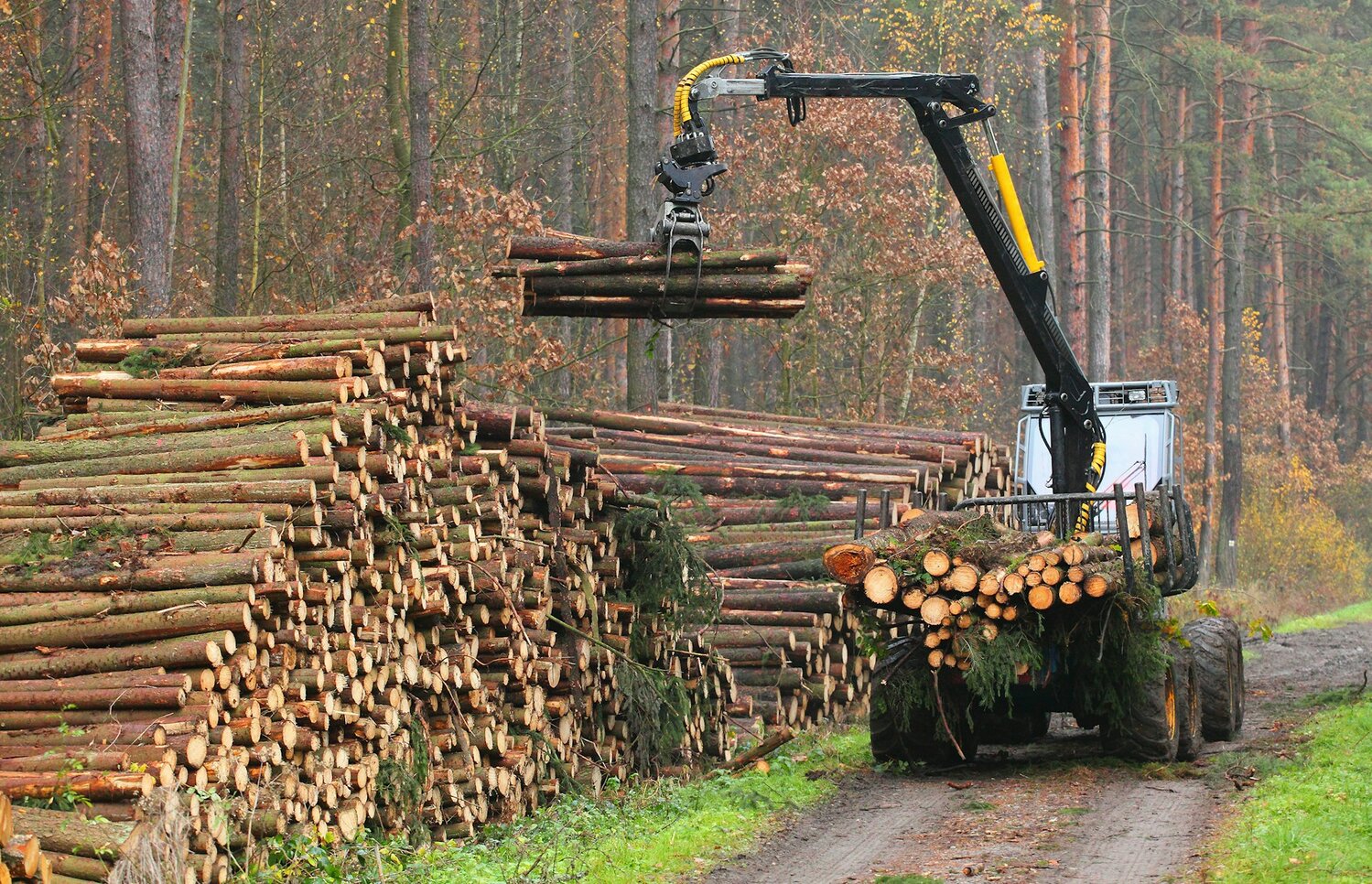
A new study finds Amazon forest degradation is reducing carbon storage. Biodiversity loss and tree mortality are driving this alarming trend.
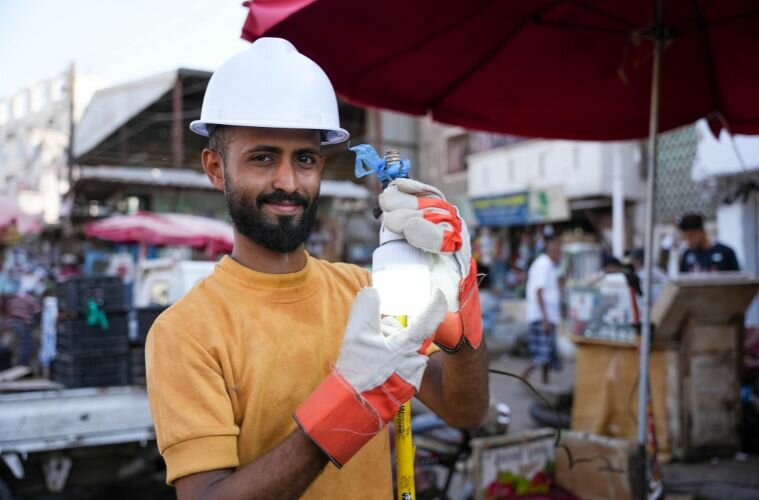
How renewable energy projects are transforming Yemen, providing hope to communities through sustainable solutions and economic empowerment.
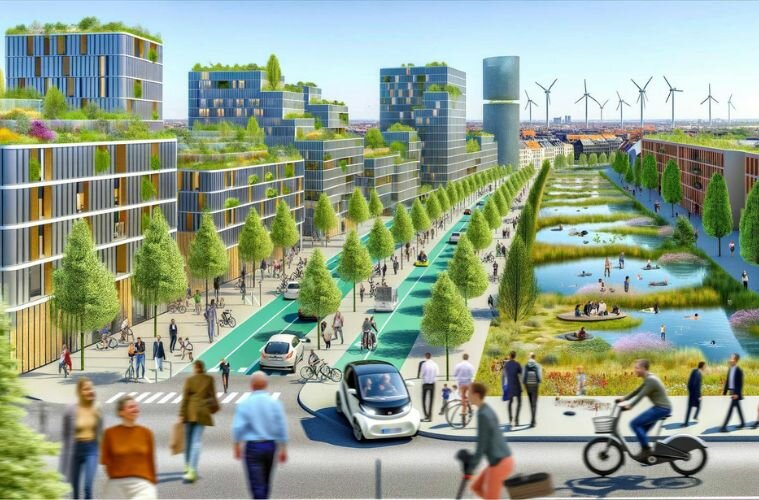
How can tailoring infrastructure solutions to Europe's geographic realities enhance economic resilience and regional equity?
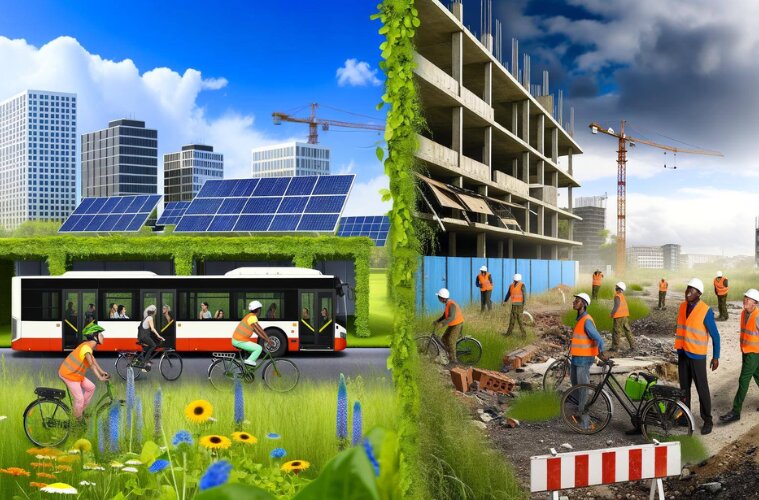
A new directive halts funding for infrastructure aligned with the 'Green New Deal,' impacting EVs, transit electrification, and renewable energy projects.

Explore how Trump’s executive orders are reshaping U.S. climate goals, energy policies, and infrastructure, with the launch of the $500 billion Stargate AI initiative.
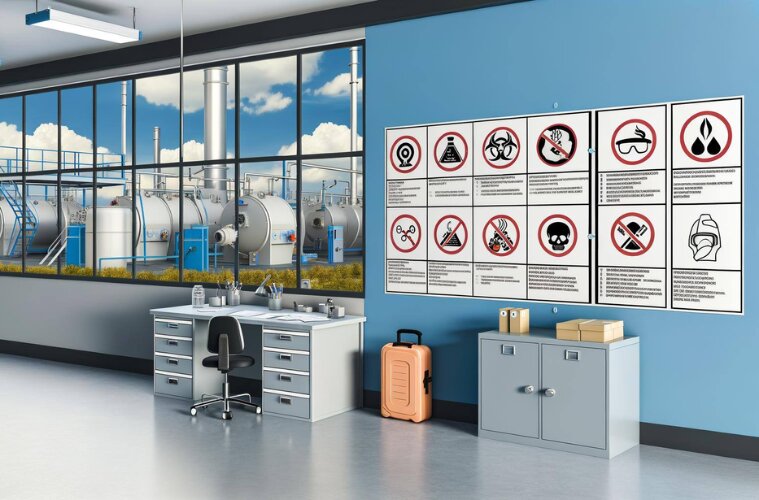
Air quality progress in Wayne County leads to SO₂ redesignation talks. EGLE invites public input during the January 28 hearing.
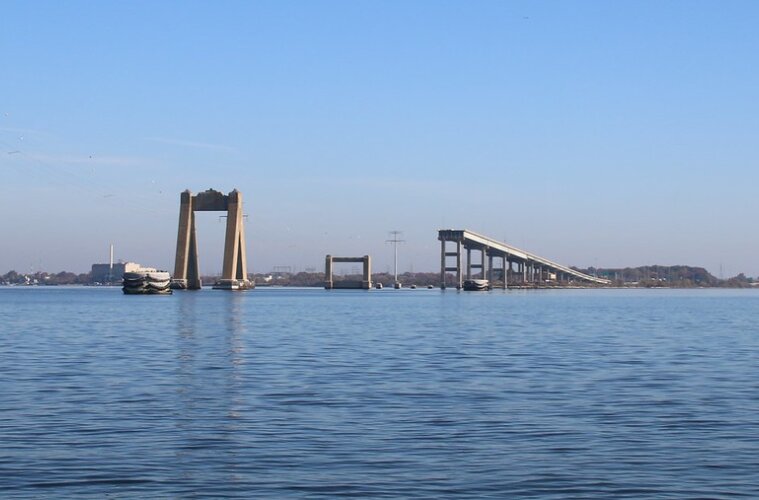
The 2 billion effort, combines modern design, advanced engineering, and a focus on future maritime demands, with completion slated for late 2028.
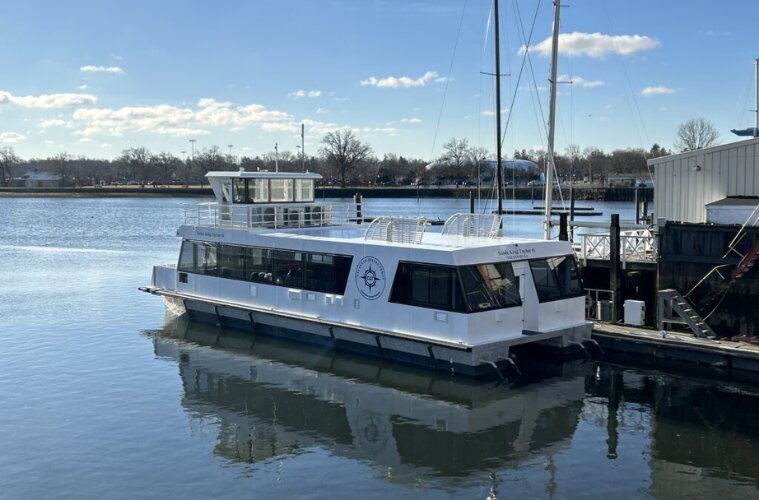
The waters of Savannah, Georgia, will soon host the nation's first hybrid passenger ferries powered by waterjet technology.
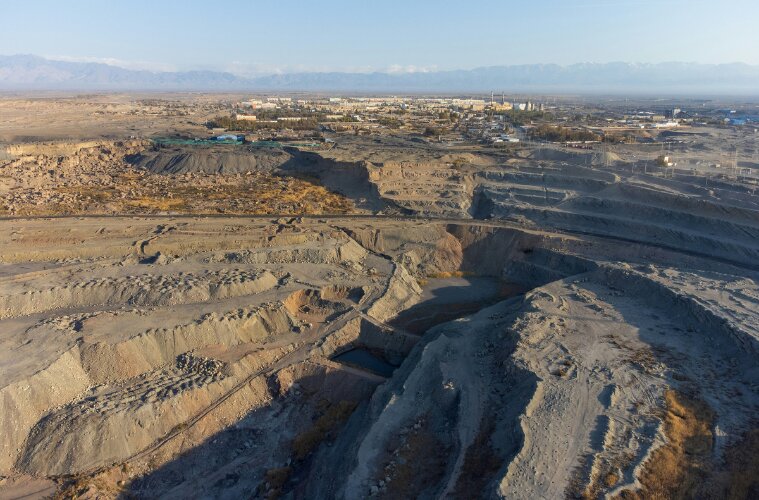
In 2024, China imported 542.7 million metric tons of coal—the highest ever recorded.
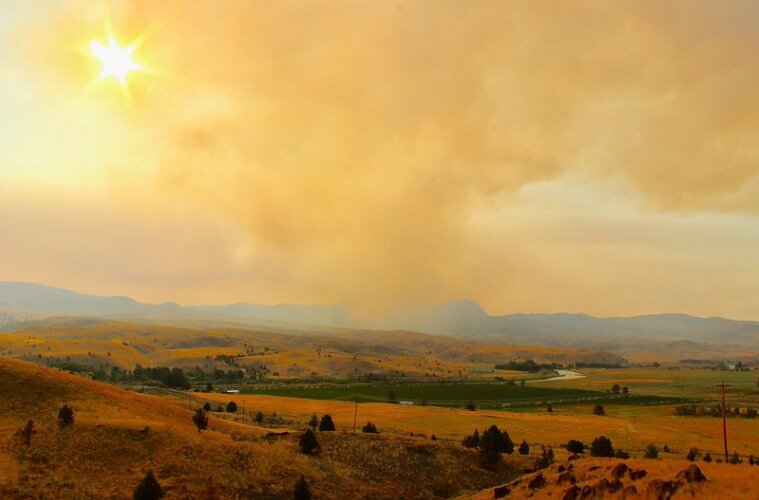
Global warming is projected to reduce snowfall in Oregon by 50% by 2100, a shift that could severely impact water resources, agriculture, and ecosystems reliant on snowmelt.
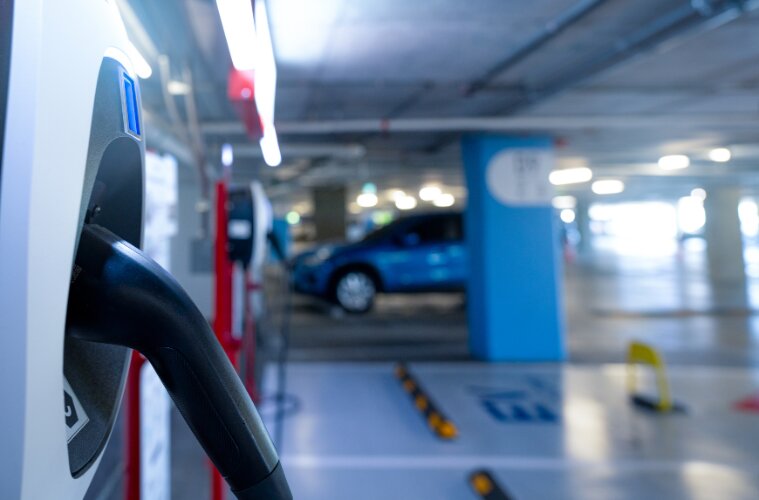
New federal funding supports 49 projects to advance zero-emission transportation, deploying 11,500 EV charging ports and alternative fueling sites.
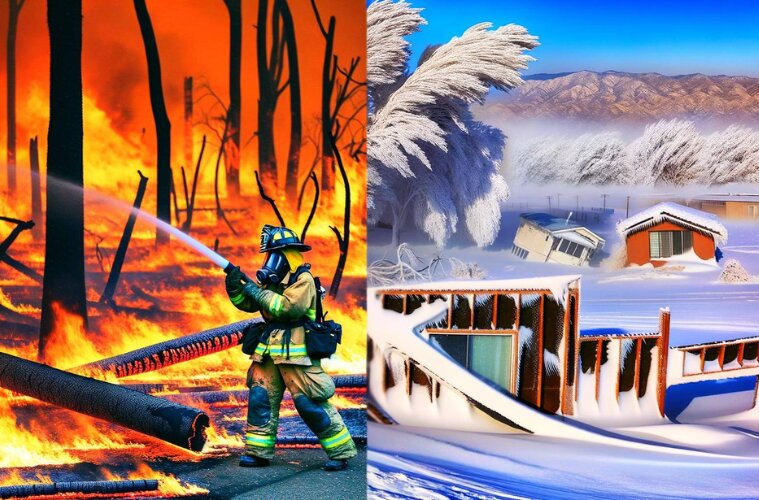
Dual disasters in Southern California and Western North Carolina expose critical gaps in utility preparedness, emergency response, and resource equity.
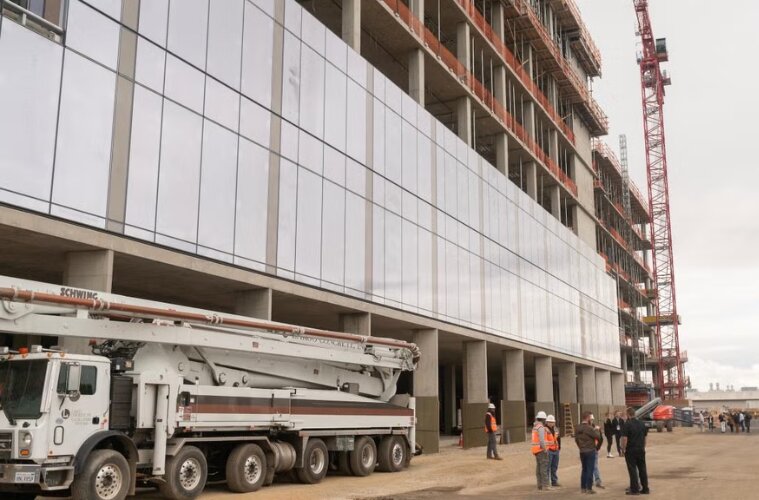
Could carbon-storing materials revolutionize the construction industry?