
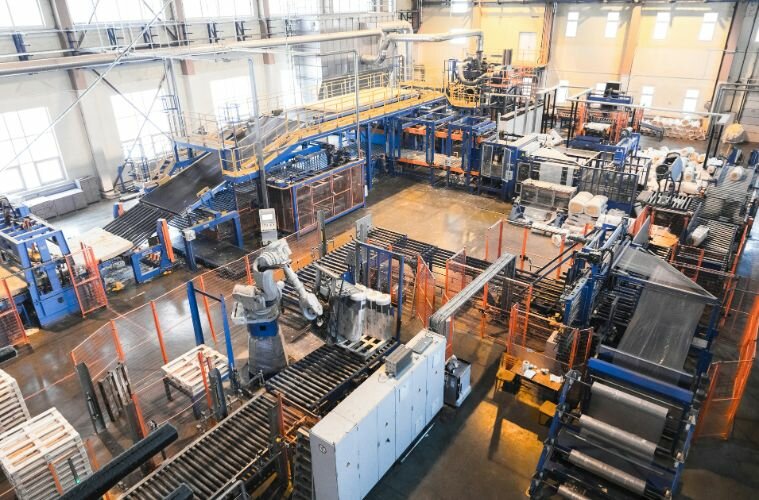
EA’s 10% waste crime levy faces backlash as recycling firms claim it punishes law-abiding businesses while failing to crack down on waste criminals.
The Salt Lake Tribune reports on a project to create a six-story apartment complex out of recycled metal boxes.

Will Manitoba’s budget prioritize the critical infrastructure projects needed to support Portage la Prairie’s growth and sustainability?
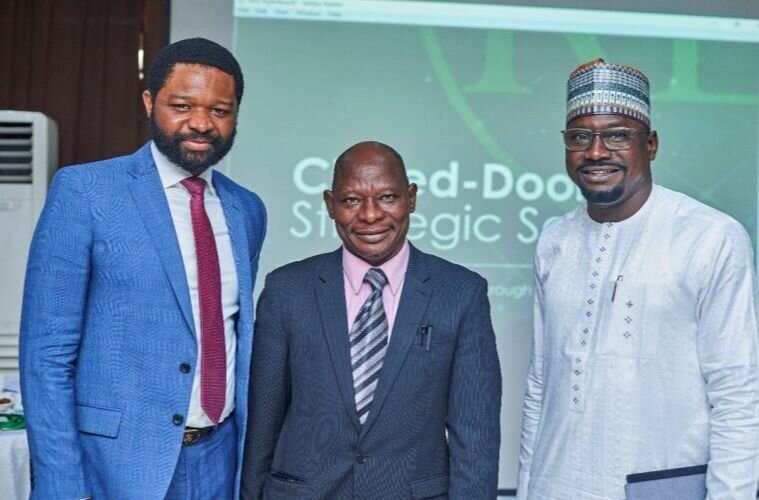
Backed by the World Bank, Nigeria’s DARES program invests $750M in solar mini-grids and home systems to boost energy access and sustainability.

The Center will support mass cultivation, commercialization, and safety assessments for cell-cultured foods.
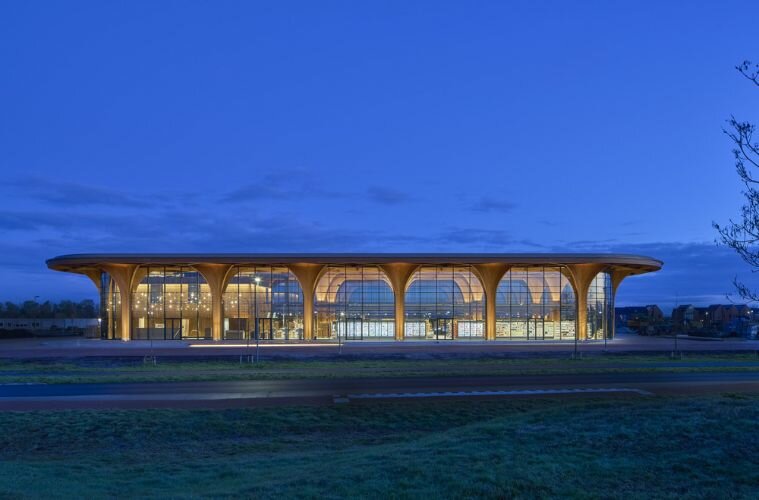
SuperHub Meerstad merges sustainability, renewable energy, and multifunctionality to create a future-ready community hub in the heart of a growing city.

As semiconductor manufacturers pour billions into new facilities, a parallel challenge is unfolding—the need for infrastructure to support the workforce.
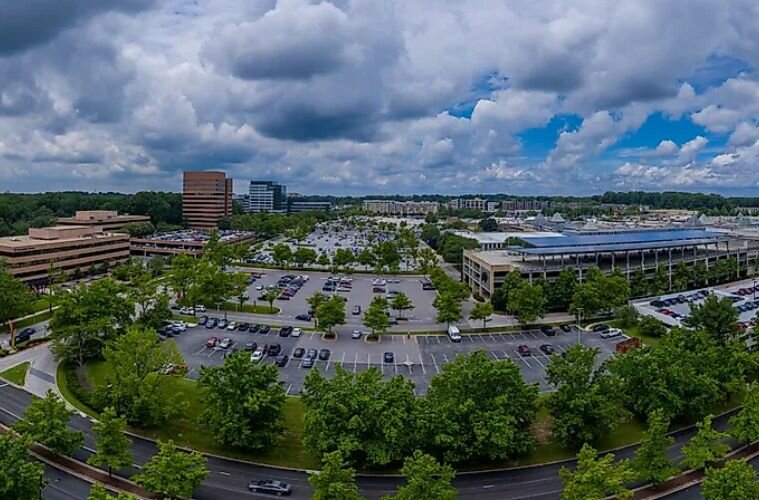
Maryland’s latest bill refines zoning laws, expanding R&D while limiting plastic-based research that produces emissions.
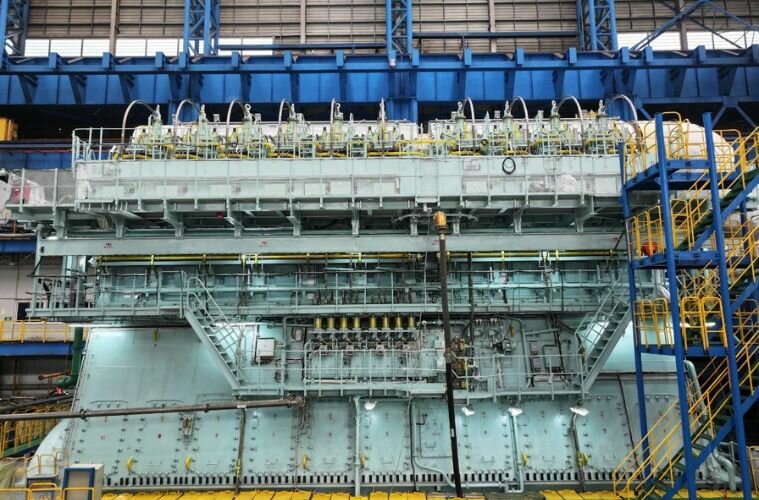
This achievement aligns with CSSC’s broader “Zhiling Deep Blue” strategy, which focuses on technological self-reliance and innovation.
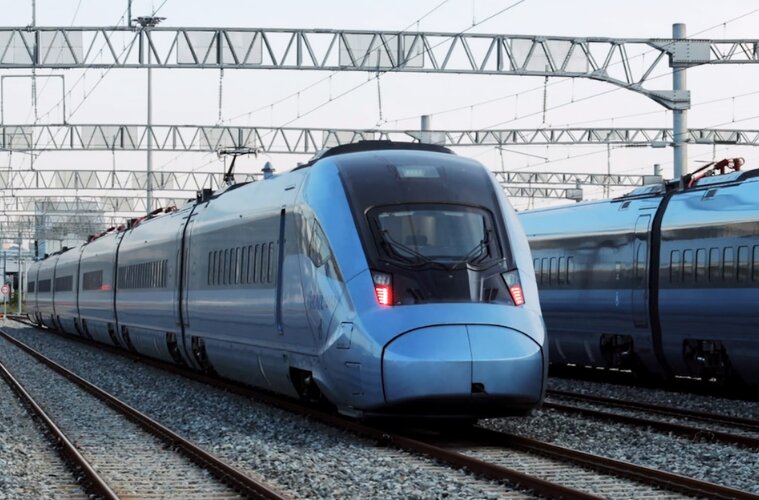
As part of its commitment to sustainability, Hyundai Rotem is actively developing hydrogen-powered trains and fuel cell trams, aligning with global carbon neutrality goals.
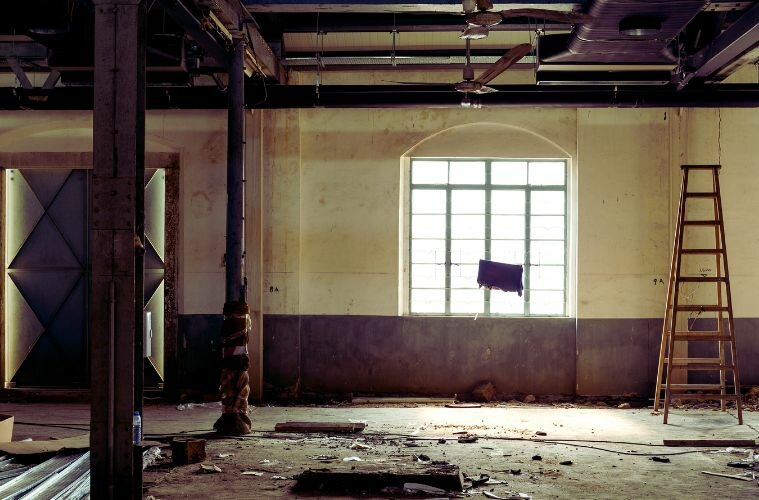
Brownfields—abandoned or underutilized properties with potential environmental contamination—exist in nearly every community.
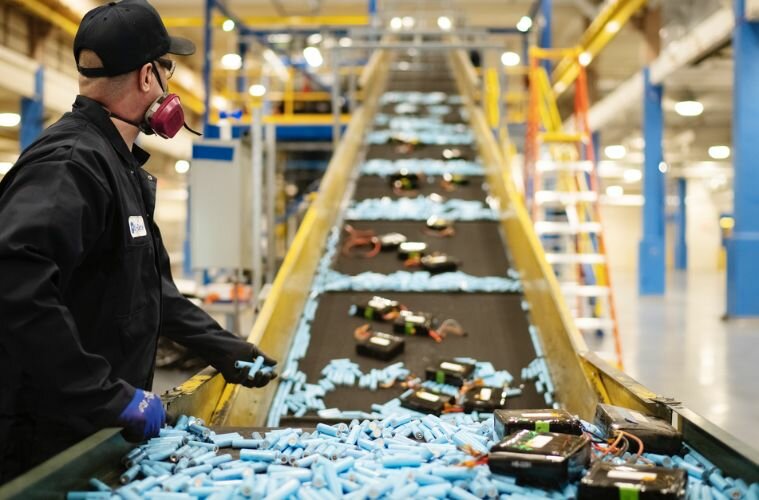
With battery-powered tools on the rise, OPEI and PTI partner with Call2Recycle to create a safe, nationwide recycling solution for high-energy batteries.
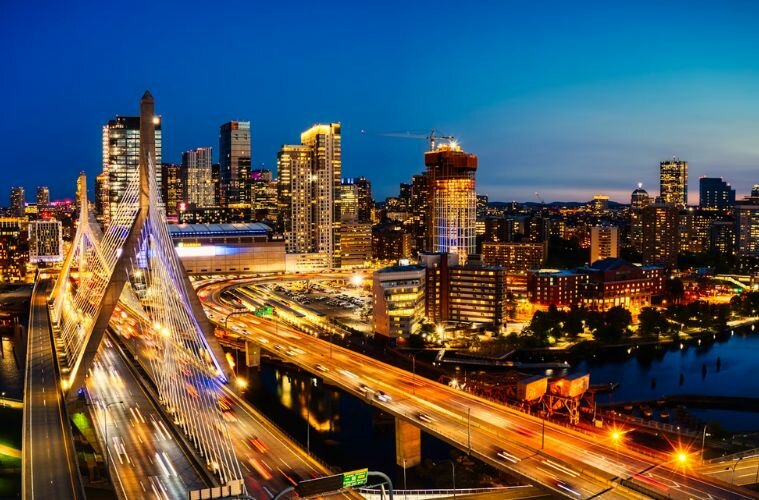
Massachusetts is set to see major infrastructure improvements as part of an $8 billion transportation plan that will fund critical projects and strengthen the state’s workforce.
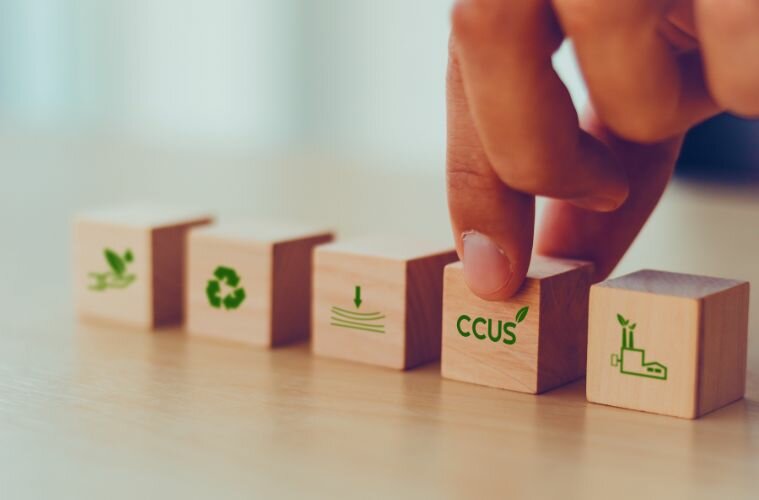
With carbon capture technology emerging as a key component of U.S. energy and environmental policy, the EPA has granted West Virginia the authority to regulate Class VI wells for carbon sequestration.
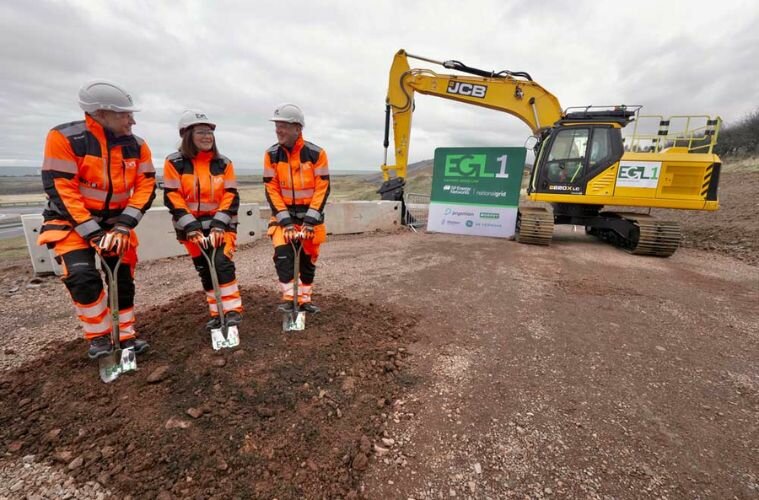
With a £2.5 billion investment and an anticipated completion in 2029, the project promises long-term economic and environmental benefits.
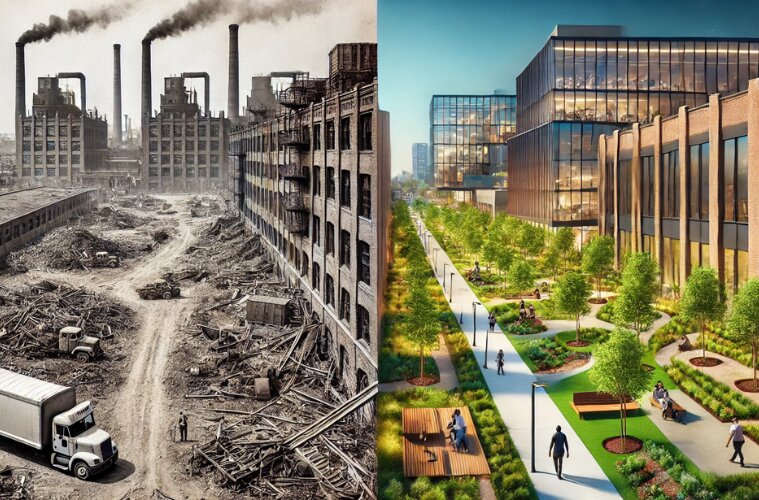
In 2025, the United States is intensifying its efforts to rehabilitate brownfield sites—properties hindered by the presence or potential presence of hazardous substances, pollutants, or …
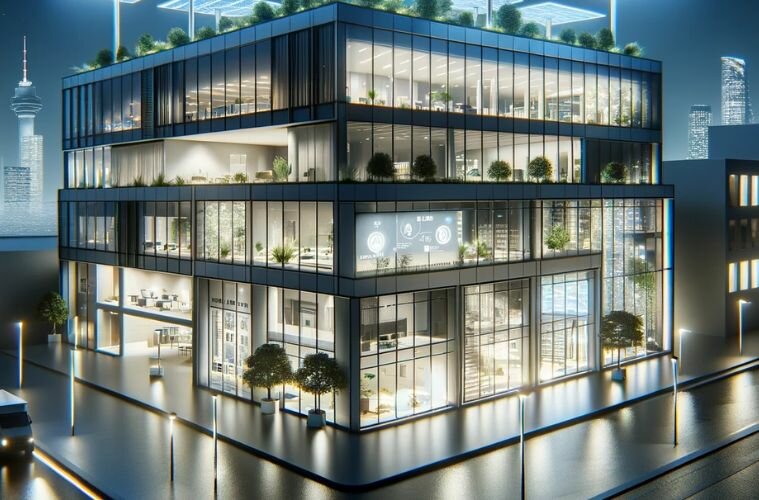
New research provides hope for sustainable energy and smart lighting systems.
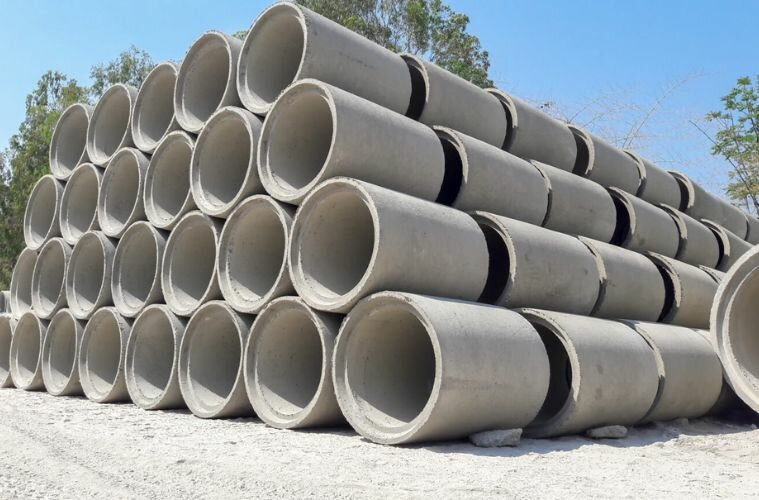
Chryso’s Canadian expansion boosts sustainable construction with eco-friendly materials and localized expertise.

The Development of AI-Driven Sustainable Tourism in Saudi Arabia

Visibuilt raised over $1M to scale visiBIT, a mycelium-based asphalt binder. This eco-friendly innovation replaces fossil-based bitumen.