

MIT research shows third-party audited companies initially report 13.7% higher emissions. That is not failure. It is what honest measurement looks like — and regulators are watching.

FireRock’s turf shift cuts water demand. It also keeps more tee times open as desert golf operators rethink winter overseeding.

A UK consortium validated a floating hydrogen hub delivering 5MW of clean shore power to docked ships with no grid connection, cutting years off typical port electrification timelines.

MSCI's 2026 methodology update is changing ESG scores for 37% of rated issuers. Sustainability and finance leaders need to know what drives the shift before investors ask.
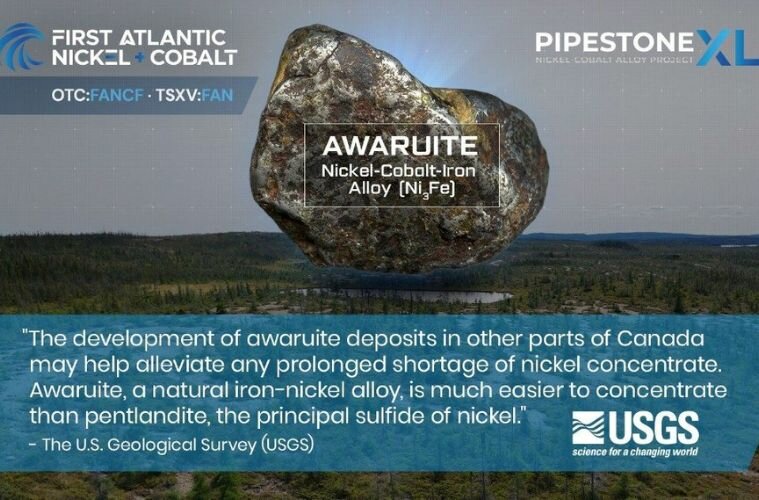
Pipestone XL's awaruite target skips smelting and HPAL processing, offering procurement teams a domestic nickel-cobalt alternative aligned with IRA content requirements.

Tier 1 buyers are discovering that subcontracted compliance failures move up the liability chain faster than most procurement frameworks were designed to handle.

A New York FOIL lawsuit challenges wildlife data redactions in a nearly 2,000-acre solar project siting file, testing how far renewable energy agencies can shield environmental records.

OSHA's FOM is a public document that tells you exactly what a compliance officer does from the moment they arrive on site, and most EHS teams prepare for inspections without ever reading it.

OSHA extended its Heat National Emphasis Program through April 2026 and is actively citing through the General Duty Clause, producing over $2 million in heat-related penalties in 2024.

Companies calibrating their compliance posture against federal enforcement trends are missing where exposure is actually accumulating in 2026, because state environmental and safety agencies are not following the federal lead.

Most facilities do not know their permits have drifted out of alignment with actual operations until an inspector arrives, and the penalties waiting at that point have increased significantly.

The regulatory framework for industrial radiography involves multiple federal and state agencies, dose limits that carry criminal exposure if violated, and compliance failures specific enough that inspectors arrive with a checklist most field crews have never read.

OSHA's enforcement priorities have shifted, inspection weighting has evolved, and heat illness citations are expanding without a finalized federal standard, leaving many EHS programs misaligned with how inspections are actually being conducted in 2026.

The October 2026 TSCA reporting deadline and July TRI filing date are pulling PFAS into active regulatory scrutiny. Most facility programs are not ready for what follows the filings.

The numbers coming out of that program are not trending in a good direction, and the state's public dashboard is now one of the more detailed occupational disease tracking tools available anywhere in the country.

Texas, Nebraska, Iowa, and West Virginia filed coordinated lawsuits against Institutional Shareholder Services, alleging the firm embedded ESG mandates into proxy recommendations while marketing itself as a neutral financial advisor.

While administrative civil cases are resolving more leniently, criminal enforcement produced its highest defendant count since fiscal year 2016 and resulted in forfeiture exceeding $1 billion in illegal proceeds.

The exposure most EHS teams are carrying right now is not from failing operations. It is from the inability to demonstrate that operations are succeeding.

PIMCO's 2025 Sustainable Investing Report covers $645B in sustainability strategies, 1,300-plus corporate engagements, and expanded ESG and climate frameworks across fixed income.

A UN carbon market decision this week reopens the most scandal-prone credit category in market history. Sustainability teams holding older credits need to review them before auditors do.