
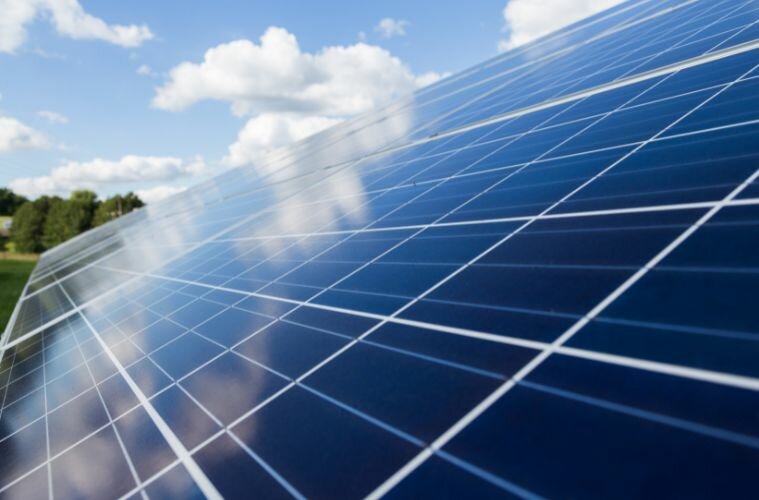
A new joint venture aims to accelerate corporate adoption of clean energy solutions.

Backed by the World Bank, Nigeria’s DARES program invests $750M in solar mini-grids and home systems to boost energy access and sustainability.

Ghana’s mining sector is expanding, with sustainability and investment driving growth.

By implementing a microgrid that combines solar power, battery storage, and backup generation, the winery ensures uninterrupted operations while drastically cutting carbon emissions.

A Stanford-developed process accelerates carbon capture using common minerals, offering businesses a cost-efficient, energy-saving alternative.

Senators urge the Interior Dept. to restore funding for Colorado River conservation, warning that delays could threaten water supply for millions.

A study of 24,000+ U.S. lakes shows climate change affects algal blooms—but human activity often masks or alters these impacts.

Most businesses overlook ocean conservation in their sustainability plans. Strengthening ocean literacy is key to long-term corporate resilience.

AHT will provide the hydrogen injection and carbon capture system, while DB ESG will oversee testing and evaluation of the technology on the Class 66 locomotive.
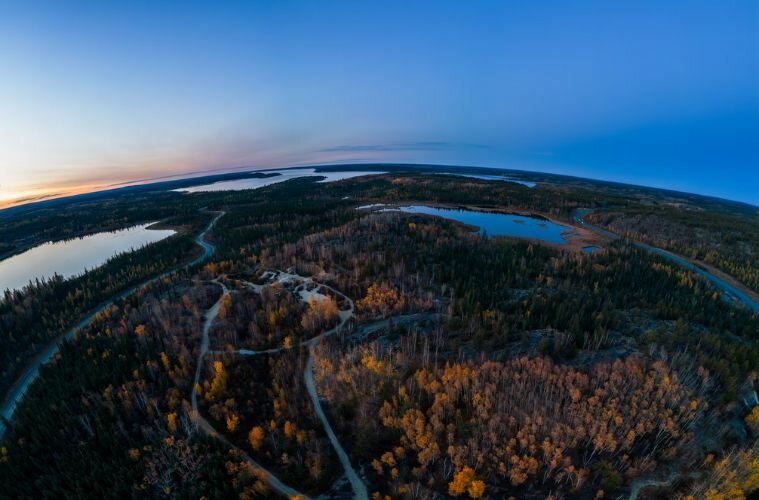
The newly signed Nature Agreement outlines a roadmap for expanding protected areas, preserving critical habitats, and advancing Indigenous-led stewardship.

A UMass Amherst study finds New England’s salt marshes store carbon equal to 10 million vehicles, presenting new opportunities for businesses.

Sunscreen chemicals are contaminating marine ecosystems, affecting seafood and tourism industries. Businesses must innovate to stay sustainable.

In Guanacaste's turquoise waters, the once-thriving Jícaro reef now lies in ruins from extreme heat, mass tourism, and urban runoff.

A recent study has identified significant methane emissions from glacial meltwater in Svalbard, revealing that melting ice is not just a symptom of climate change—it’s also a contributor.

Projected at $9.3B by 2030 with a 4.6% CAGR, the environmental testing market faces uncertainty as Trump’s rollbacks shift compliance and industry testing needs.

With carbon capture technology emerging as a key component of U.S. energy and environmental policy, the EPA has granted West Virginia the authority to regulate Class VI wells for carbon sequestration.
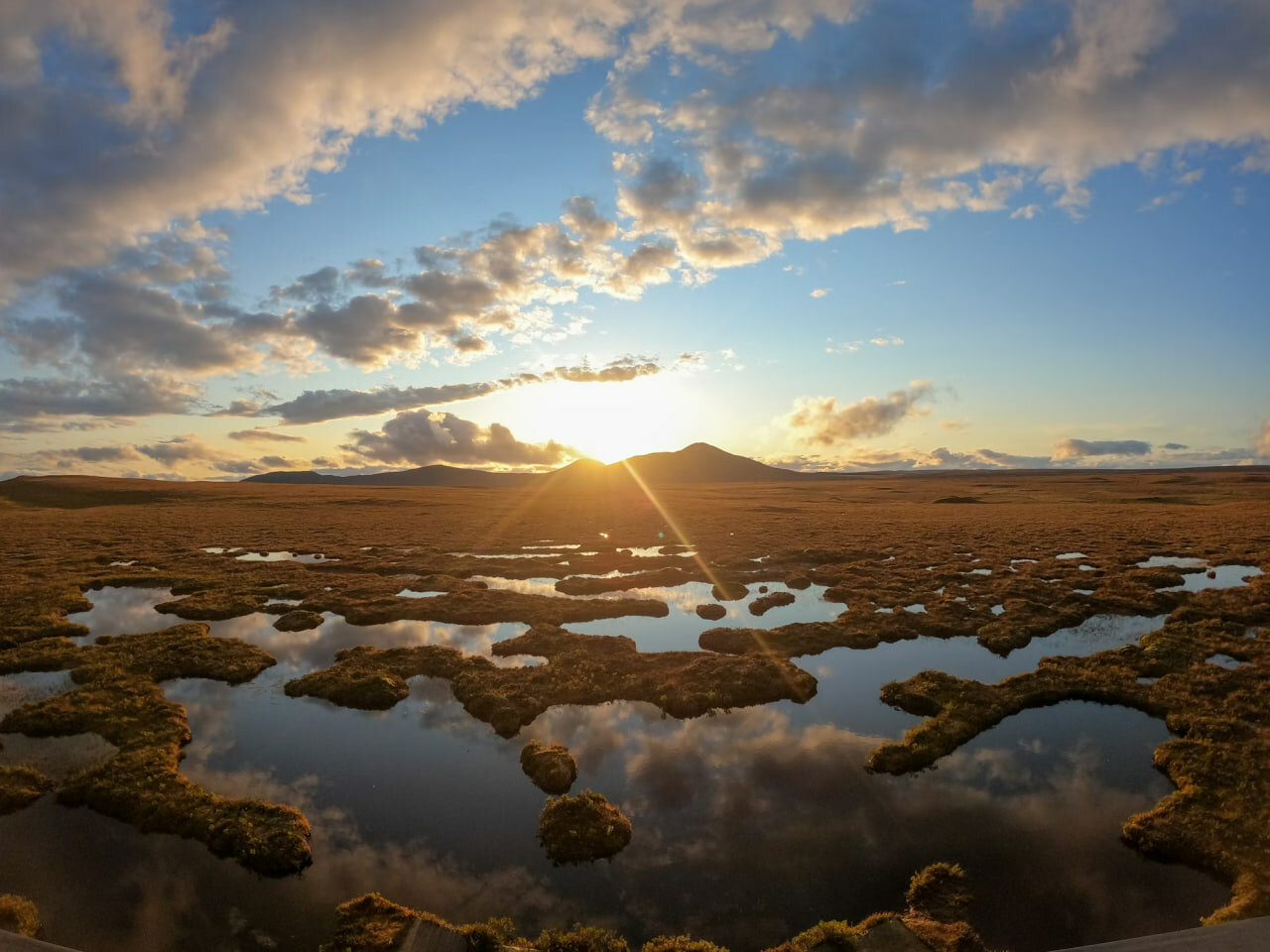
With only 17% of peatlands protected, businesses have a growing opportunity to invest in carbon markets, restoration, and conservation efforts.

A global study finds that 84% of surveyed protected areas remain vulnerable to human activity, highlighting the need for adaptive conservation.
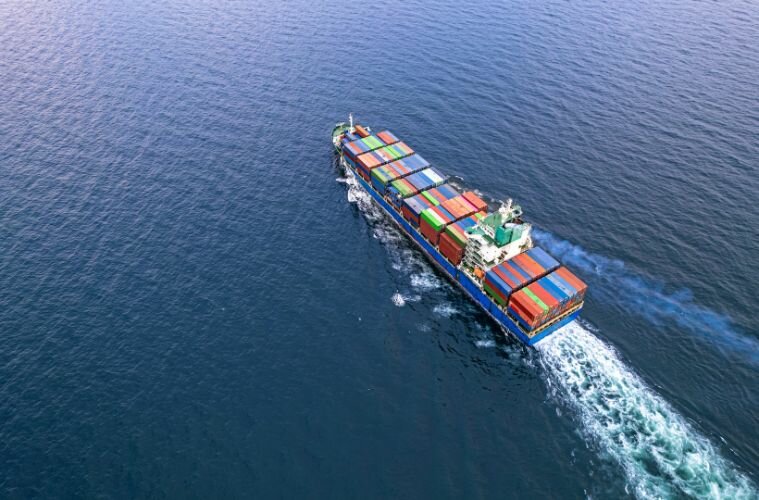
A recent report from Cerulogy warns that without proper safeguards, the expanded use of maritime biofuels could increase global greenhouse gas emissions.
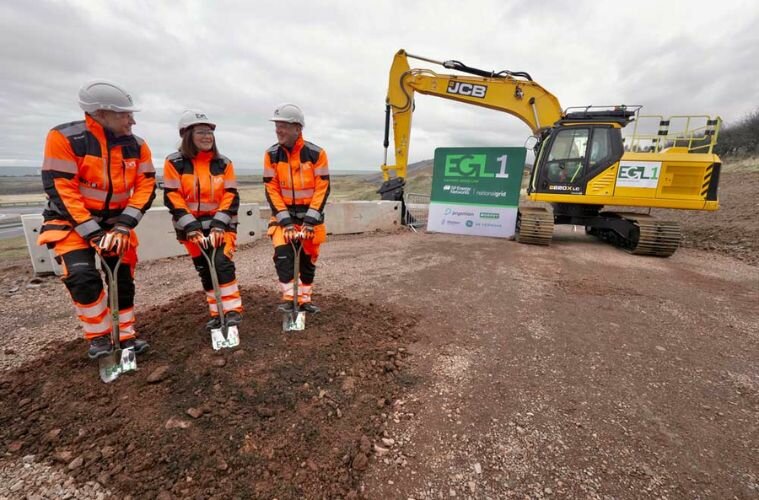
With a £2.5 billion investment and an anticipated completion in 2029, the project promises long-term economic and environmental benefits.